 Plumbing Advisors Editorial TeamEditorial StandardsUpdated May 10, 2026Source-Checked
In a plumbing emergency, the first five minutes often matter more than anything that happens afterward. Water spreads fast, and the difference between a quick cleanup and a major repair usually comes down to how quickly and calmly you act before any professional arrives. The good news is that the most important early steps are simple, safe, and the same across almost every kind of emergency: stop the water, stay safe around electricity, and limit the spread. Having a clear sequence in mind ahead of time means you will not waste precious moments deciding what to do.
Step One: Stop the Water
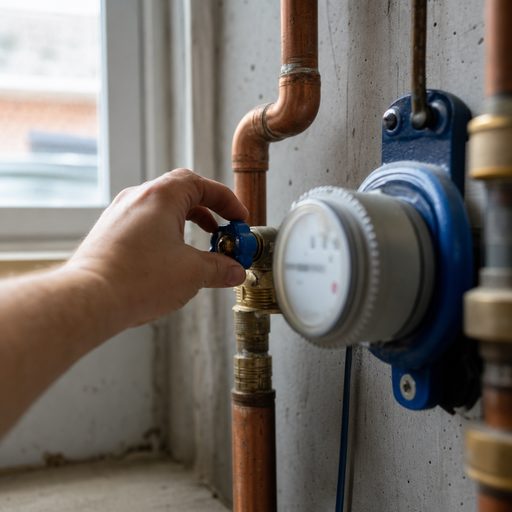
Your very first move is to stop water from reaching the problem. If the trouble is at a single fixture, such as under a sink or behind a toilet, look for the local shutoff valve right there and turn it clockwise until it stops. If water is coming from somewhere you cannot isolate, or you simply cannot find a local valve quickly, go straight to your home's main water shutoff, usually near where the water line enters the house, in a basement, crawl space, utility closet, or near the meter outside. Turning off the main stops water to the entire home and is always a safe choice in an emergency. This is far easier if you have found and labeled your main shutoff before you ever need it.
Watch for water near electricity
If water is pooling near outlets, appliances, or your electrical panel, do not wade into it. Water and electricity together are dangerous. If you can reach your breaker box without standing in water, shut off power to the affected area; otherwise stay clear and wait for a professional. Never attempt electrical work yourself.
Step Two: Relieve Pressure and Contain the Spread
Once the water is off, open a couple of cold faucets on the lowest level of the home to drain water still sitting in the lines and relieve pressure on the system. Then turn your attention to limiting damage in the immediate area. The quick actions below buy time and protect your belongings while you arrange help.
- Move rugs, furniture, electronics, and valuables away from the water.
- Place buckets, bins, or towels to catch and contain any continued dripping.
- Soak up standing water with towels or a wet/dry vacuum to slow its spread.
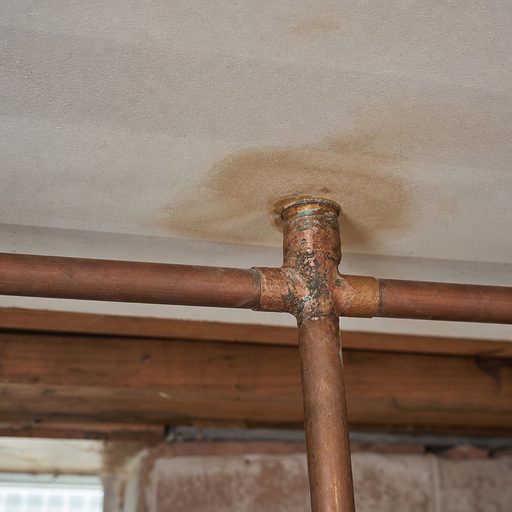
- If a ceiling is bulging from water above, place a bucket beneath it and keep clear.
- Take a few photos or a short video of the damage for your insurance records before you clean up.
Step Three: Call for Help and Describe It Clearly
With the water off and the area contained, make the call. Describe what happened, where the water is coming from, and what you have already done, since that helps a plumber understand the urgency and arrive prepared. Mention if water reached any electrical equipment, if you have shut off the main, and whether the leak is still active. Resist the urge to attempt a pressurized repair yourself while you wait, because a patch that fails under pressure can cause a second, worse flood. Your job in these first minutes is to stop the bleeding, not to fix the pipe.
When to Call a Professional
Any emergency where water is actively spreading, or where a leak sits hidden inside a wall, ceiling, or floor, warrants professional help once you have completed these first steps. Emergency plumber service can stop the source and make the repair safely, and for a failed pipe, burst pipe repair restores the line and checks that the rest of the system is sound. To judge ahead of time which situations truly call for an immediate response, see our guide on a real plumbing emergency versus what can wait, and understanding the most common plumbing emergencies and how they start can help you spot trouble early enough to act before it becomes a flood.
Sources and further reading
These references support material safety, technical, consumer, or planning guidance in this article. Confirm property-specific requirements with the applicable authority and professional.