 Plumbing Advisors Editorial TeamEditorial StandardsUpdated April 30, 2026Source-Checked
A single slow sink is usually just a local clog. But when several drains in your home start acting up at the same time, the problem is often deeper, in the main sewer line that carries waste away from the entire house. Because that line is shared by every fixture, a partial blockage in it shows up as a pattern across the home rather than at one spot. Learning to recognize these whole-home warning signs helps you tell a minor clog apart from a main-line problem and reach out for the right help before a small issue becomes a messy backup.
Why a Main-Line Problem Looks Different
When the trouble is in a single fixture's drain, only that fixture is affected. A main-line issue is different because every drain in the house eventually feeds into the same sewer line. So when that shared path narrows or blocks, the symptoms appear in more than one place and often in unexpected ones. The key is to notice connections between fixtures rather than treating each slow drain as its own separate problem.
Whole-Home Warning Signs
The signs below tend to point toward the main line rather than a single clog, especially when more than one of them shows up together. Any one of these is worth attention, and several at once is a strong signal that the shared sewer line needs a professional look.
- Several fixtures draining slowly or backing up at the same time, rather than just one.
- A toilet that gurgles or bubbles when you run the sink, shower, or washing machine.
- Water backing up into a tub or shower when you flush a toilet, often the lowest drains first.
- A basement or floor drain that backs up when other fixtures are used.
- Sewage odors indoors or soggy, unusually green patches in the yard over the line's path.
- Drains that keep clogging again soon after you clear them.
Treat a sewage backup as a health hazard
Water or waste backing up into your home is a sanitation concern, not just an inconvenience. Avoid contact with it, keep children and pets away, and stop using your drains until the line is cleared. If a backup is actively spilling into living space, contact a professional promptly rather than trying to force the drains.
Safe Steps While You Wait for Help
There are a few safe things you can do once you suspect a main-line problem, but the most important is to ease the load on the system so a partial backup does not become a full one. Avoid running water unnecessarily, hold off on laundry and dishwashers, and resist the urge to keep flushing a sluggish toilet. Steer clear of chemical drain cleaners entirely; they rarely clear a main-line blockage and can damage pipes or create a hazard for the plumber who works on the line. A plunger is fine for a single slow fixture, but it will not solve a shared sewer problem, and any digging or opening of the line must be left to a professional.
When to Call a Professional
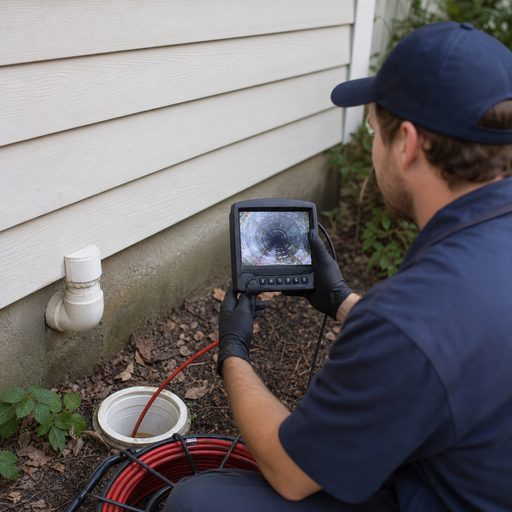
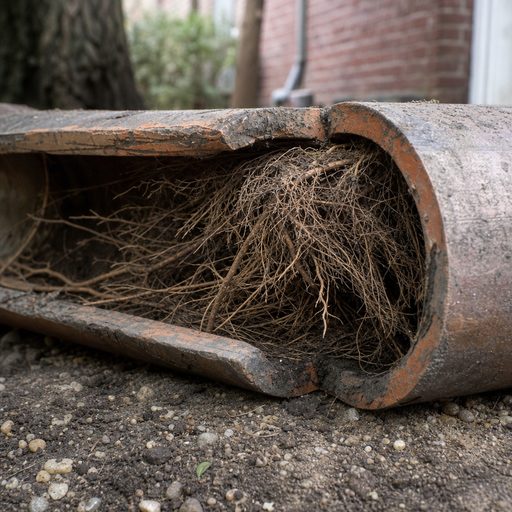
When the warning signs point to the main line, an experienced professional is the right call, because diagnosing and clearing a sewer line takes specialized equipment and a trained eye. Sewer line repair service can locate the blockage or damage and recommend the right fix, while professional drain cleaning may clear buildup or an obstruction the line has developed. To see how a plumber confirms what is happening inside the pipe, read what a sewer camera inspection reveals before repair, and if recurring backups make you suspect roots, our guide on tree roots in your sewer line explains one of the most common culprits.
Sources and further reading
These references support material safety, technical, consumer, or planning guidance in this article. Confirm property-specific requirements with the applicable authority and professional.