 Plumbing Advisors Editorial TeamEditorial StandardsUpdated July 5, 2026Source-Checked
A true plumbing emergency is one where immediate action prevents significant harm—like water damage, safety risks, or health hazards. If water is spreading uncontrollably or you face a clear threat, call for professional help right away. Less urgent issues—without active leaks or dangers—can usually wait until regular business hours, saving you unnecessary stress and cost.
What Is a Real Plumbing Emergency?
Not every plumbing problem needs an all-hours call, but certain situations demand immediate attention. Real emergencies are scenarios where water damage develops rapidly, sewer backups create unsafe conditions, or you lose access to critical functions like all water or drainage. Ignoring these problems can escalate repair needs and risk structural damage or even endanger your family’s health.
Common emergency triggers include burst pipes, actively leaking supply lines, sewage backing up into fixtures, and water heater failures causing flooding. Key parts such as shutoff valves, pressure relief valves (often found on water heaters from brands like Rheem or A.O. Smith), and P-traps can all be implicated in urgent situations. If a leak is constant and cannot be isolated, or if sewage is coming up into your living space, you are facing an emergency.
- Burst water pipes flooding rooms or walls
- Raw sewage backing up into tubs, drains, or basements
- No water flow to the entire house (not just one fixture)
- Major water heater leaks, especially around the tank or temperature and pressure relief (TPR) valve
- Multiple fixtures overflowing or backing up simultaneously
Issues That Can Wait Until Morning
If the issue isn’t spreading water or posing a safety risk, it can generally wait. For example, a dripping faucet, a clogged but isolated toilet, or a slow drain in one sink do not require urgent action. Turning off the water to a specific fixture—using a shutoff valve beneath the sink or toilet—can buy you time to arrange a scheduled plumber visit during daytime hours, which may help contain costs (see the related cost guide for what drives service price differences).
- Dripping faucets or showerheads
- A toilet that runs or will not flush but is not overflowing
- Single slow drain (not affecting multiple fixtures)
- Limited-use fixture leaks you can isolate with a local shutoff
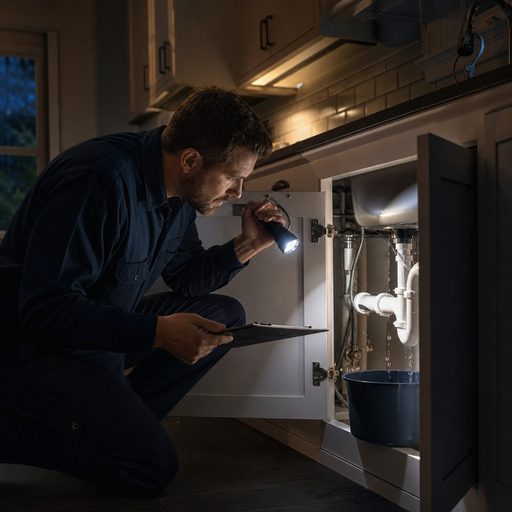
- Minor leaks beneath the sink, caught with a bowl or towel
Tip: Use Fixture Shutoff Valves
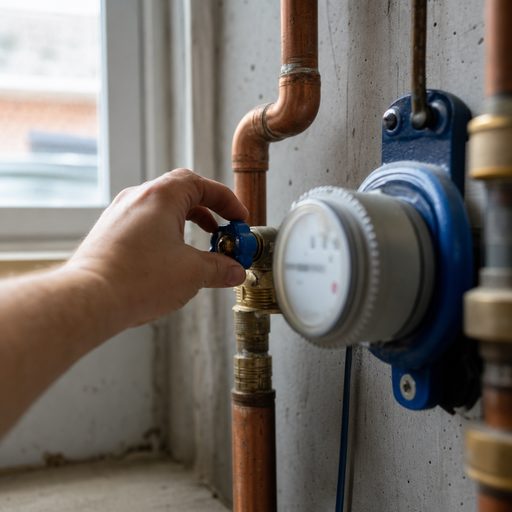
Individual shutoff valves (often found under sinks and toilets) allow you to isolate most minor leaks or fixture problems. Turning off a single valve can prevent further water spread and gives you time to schedule a routine repair.
The Middle Ground: When You’re Not Sure
Some problems seem minor but could signal a bigger issue, such as a subtle hissing from behind a wall or multiple slow drains starting at once. When unsure, prioritize stopping water movement. Turn off water to the affected area—using fixture shutoffs or the home’s main valve—and monitor to see if the problem stops. If water continues to leak, or if you notice foul odors (suggesting a sewer issue), the situation warrants urgent evaluation by a pro.
Plumbers often run diagnostics using tools like moisture meters, inspection cameras, and pressure gauges. They’ll check vulnerable parts like P-traps, flexible supply lines, and joints for immediate leaks. Other warning signs: unexplained wet spots on ceilings or floors, recurring clogs in more than one fixture, or persistent drain odors. When in doubt, describe the situation in detail when you contact an Emergency Plumbing specialist, to help determine the urgency.
What a Plumber Does in an Emergency Visit
During an emergency, a licensed plumber prioritizes stopping the damage first, which usually means shutting off water at the main or at a fixture-specific valve. Next, they’ll quickly assess which components are involved—such as a ruptured pipe, a failed TPR valve on your A.O. Smith or Bradford White water heater, or a blocked main drain. Specialized tools like pipe wrenches, pipe cutters, and inspection cameras may be used to locate the source and make a temporary or permanent fix.
If there is active sewage backup, plumbers will investigate your main sewer line, often using a camera to diagnose blockages or breaks that may require Sewer Line Repair. Some problems, like deeply clogged main drains or burst pipes in hard-to-access areas, may require follow-up visits or more complex repair planning, especially if walls, floors, or ceilings must be opened. Plumbers also check for compliance with local plumbing codes for any emergency repairs, as requirements vary by jurisdiction.
Cost Drivers: Why Emergency Service Is Different
Emergency service costs more than standard appointments because work is performed outside normal hours, and the urgency often requires immediate dispatch, specialized equipment, and sometimes extra labor to minimize further damage. Repairs involving hard-to-reach pipes, failed water heaters, or main line blockages can also require more materials and time to fix safely and up to code. The exact cost depends on the complexity of the issue, parts involved, and local market conditions; reference the related cost guide for more detail on these cost drivers.
Products such as water heater TPR valves (with manufacturers like Rheem and A.O. Smith), fill valves, or replacement P-traps vary in price and availability. Emergency calls that uncover additional problems—like hidden water damage or corroded pipes—may involve multiple repairs or require partial replacement of piping, flange assemblies, or other fittings. Routine calls can be scheduled for less urgent fixtures or maintenance, but emergencies almost always justify the higher after-hours rate to prevent escalating damage.
Refer to the Guide: Emergency Plumber Cost
For in-depth details on what influences after-hours plumbing service rates—including equipment, labor, and local conditions—see our guide: Emergency Plumber Cost: What to Expect After Hours. Understanding these factors can help you make a more informed decision when weighing whether to wait or act now.
Prevention and How to Minimize Emergency Risks
Preventive maintenance greatly reduces your chance of facing a surprise plumbing emergency. Regularly inspecting exposed supply lines, drain pipes, and shutoff valves for leaks or corrosion allows you to catch issues before they escalate. Replacing aging flexible hoses (often beneath sinks or connected to toilets) every several years, flushing your water heater’s tank annually, and periodically testing main and fixture shutoff valves are all sound practices. Brands like Moen, Delta, and Kohler produce durable replacement components that make routine fixture fixes easier.
Common Emergency Parts and How They Fail
Three of the most common components implicated in plumbing emergencies are shutoff valves, temperature and pressure relief (TPR) valves on water heaters, and P-traps. Shutoff valves are crucial for isolating leaks but can seize up or corrode over time—making them unusable just when you need them most. Regularly exercising valves and replacing old ones can prevent this scenario.
TPR valves (found on water heaters by A.O. Smith, Rheem, and Bradford White) are vital for releasing excess pressure, but if they fail or leak, major flooding and even tank ruptures are possible. P-traps under sinks and tubs can crack or disconnect, leading to water leaks or sewer gas smells if the water seal is lost. When any of these parts show visible signs of wear, corrosion, or leaking, prompt inspection and replacement can avert emergencies.
- Shutoff valves: prone to corrosion, sticking, or leaks—test them annually.
- TPR valves: replace typically every 3-5 years or sooner if leaking or stuck.
- P-traps: watch for slow leaks, loose joints, or foul odors.
Key Takeaways: Responding to Plumbing Issues
How do I know if a burst pipe is an emergency?
A burst pipe is always an emergency if water is spilling uncontrollably, especially inside walls, ceilings, or floors. The risk is not just water damage to building materials, but also mold growth and long-term structural issues. Shut off your main valve immediately and call a professional for prompt repair.
Is a leaking water heater considered an emergency?
If your water heater is leaking from the tank itself or near the temperature and pressure relief (TPR) valve, this is an emergency—especially if water is pooling or threatens nearby electrical components. Immediate action can help prevent tank rupture and major flooding.
When is a clogged drain or toilet not an emergency?
If only a single drain or toilet is clogged and you can isolate it (by not using it), it is not an emergency. However, if multiple drains are backed up or sewage is present, or you cannot contain the overflow, call for Emergency Plumbing service immediately.
Can I safely wait to fix a dripping faucet?
Yes, a slow-dripping faucet can wait as long as the drip is contained and not causing water damage. Use a bowl or towel to catch drips overnight and schedule a non-emergency appointment for repair, which will likely be less costly than after-hours service.
What parts most often cause emergencies if they fail?
Typical culprits include shutoff valves (which may seize or leak), P-traps (which can crack or disconnect), and temperature and pressure relief (TPR) valves on water heaters. Regular maintenance and routine checks are the best defense against unexpected failures of these components.
Sources and further reading
These references support material safety, technical, consumer, or planning guidance in this article. Confirm property-specific requirements with the applicable authority and professional.