 Plumbing Advisors Editorial TeamEditorial StandardsUpdated February 11, 2026Source-Checked
A slow or clogged drain is one of the most common household plumbing annoyances, and many clogs are harmless and easy to clear. But some are early warnings of a larger problem deeper in your plumbing, and treating a serious clog like a minor one can lead to a messy and unhealthy backup. Knowing how to read the signs can help you decide whether a simple, safe fix will do or whether it is time to call a professional before the situation gets worse.
Signs of a Minor, Localized Clog
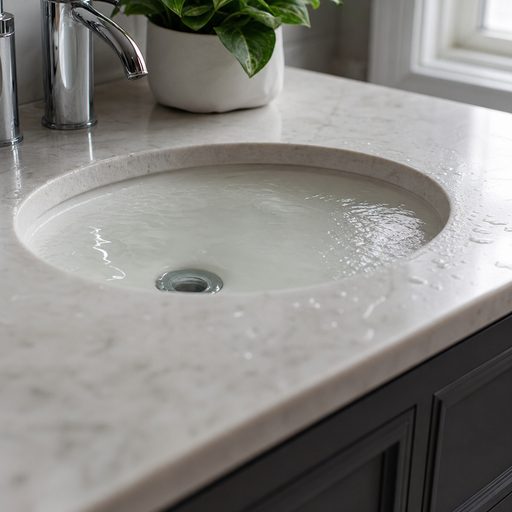
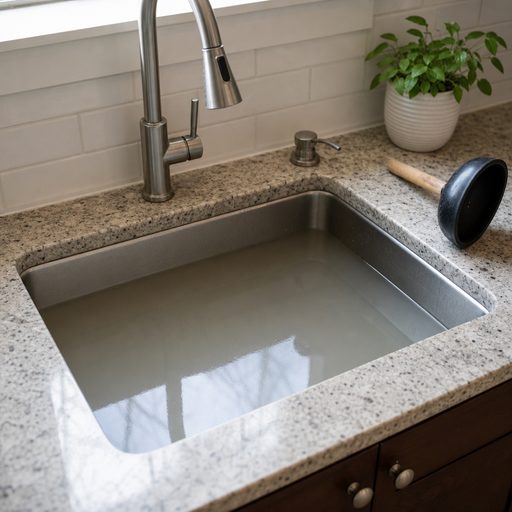
If only one fixture is draining slowly, the clog is most likely isolated to that drain. A single slow bathroom sink, for example, is usually caused by hair and soap buildup in the trap just below it, while a kitchen sink often collects grease and food debris. These localized clogs are typically the least concerning and often respond to basic, safe methods that do not involve harsh chemicals or specialized tools.
- Only one sink, tub, or shower is affected while the rest of the home drains normally.
- The slowdown developed gradually over weeks rather than appearing suddenly.
- A plunger, or removing and cleaning the visible stopper, noticeably improves the flow.
- There are no unusual smells or sounds coming from other drains in the house.
- Water drains away completely once it finally clears, rather than lingering in the basin.
Skip the chemical drain cleaners
Harsh chemical drain cleaners can corrode pipes, damage seals, and create dangerous fumes, and they often fail to clear the real blockage. Avoid them. Stick to a plunger or cleaning the stopper, and call a professional for anything more stubborn.
Warning Signs of a Serious Problem
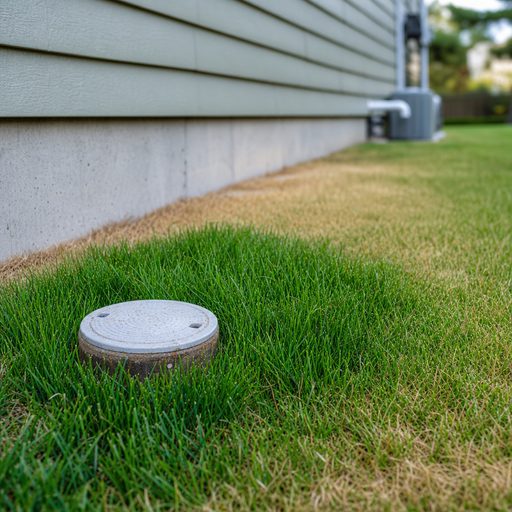
Certain symptoms suggest the clog is not in a single fixture but in a shared drain line or even the main sewer line that serves the whole home. These are the situations where continuing to run water can push a backup into your living space. Pay close attention if you notice any of the patterns below, because they often point to a blockage that a plunger simply cannot reach and that needs professional equipment to clear.
- Multiple fixtures back up at the same time, such as a toilet and a nearby tub.
- Water rises in one drain when you use another, or your toilet gurgles when the sink runs.
- Drains throughout the home are slow all at once rather than just one.
- You notice sewage odors, or water backs up after running the washing machine or dishwasher.
- A clog returns quickly after you clear it, suggesting the real blockage is further down the line.
When to Call a Professional
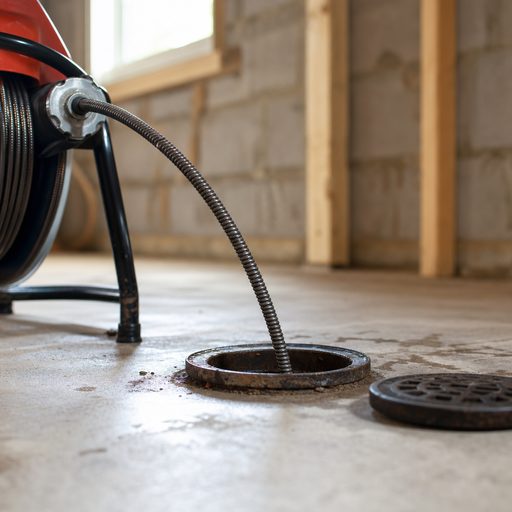
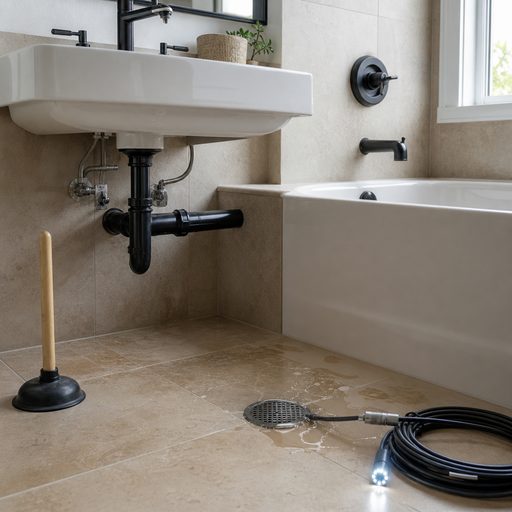
If a single drain stays slow after a plunger and a cleaned stopper, professional drain cleaning can clear the blockage without harsh chemicals and without risk to your pipes. If several fixtures are affected at once, you may be dealing with a clog in a main line, and clogged drain or sewer line repair services can locate and clear it properly, often with the help of a camera inspection. To understand how a routine drain clog differs from a deeper main-line issue, see our comparison of drain cleaning versus sewer line cleaning, and review the signs of a sewer line problem if you suspect the trouble runs deeper than a single fixture.
Sources and further reading
These references support material safety, technical, consumer, or planning guidance in this article. Confirm property-specific requirements with the applicable authority and professional.