
Burst Pipe Repair
Burst Pipe Repair in Vermont
Burst Pipe Repair across Vermont begins with the same useful question: Stop active water safely, protect the area, and locate the failed pipe before repair. State context can guide credential and permit checks, but it cannot diagnose a specific property.
Plumbing Advisors provides guidance and connection assistance. Independent providers perform the plumbing work and confirm availability, pricing, timing, and credentials.
On this pageOverview
 Plumbing Advisors Editorial TeamEditorial StandardsSource-Checked
Burst Pipe Repair across Vermont
Burst Pipe Repair across Vermont begins with the same useful question: Stop active water safely, protect the area, and locate the failed pipe before repair. State context can guide credential and permit checks, but it cannot diagnose a specific property.
Do not enter standing water near energized equipment or attempt a pressurized repair while water is active.
When burst pipe repair may fit
- A pipe has split and water is spraying or flooding
- You hear rushing water inside a wall or ceiling
- A frozen pipe burst as it thawed
- Water is spreading quickly through the home
Causes or scope drivers to inspect
- Frozen water expanding inside the pipe
- Severe corrosion weakening the pipe wall
- Excessive water pressure
- Aging or damaged joints and fittings
- Physical damage to the pipe
Comparing a burst pipe repair quote
For burst pipe repair in Vermont, compare itemized quotes for the same inspected scope. Access, testing, equipment or parts, permits, restoration, and urgency can affect the final price.
Typical burst pipe repair costs
| Project | Typical cost range |
|---|---|
| Repair of an exposed / accessible pipe | $215–$880 |
| Repair of a pipe under a slab | $1,900–$8,900 |
Service-call fees
| Service | Typical cost range |
|---|---|
| Emergency / after-hours call-out fee | $120–$380 per visit |
Per-foot costs
| Service | Typical cost range |
|---|---|
| Burst pipe priced per linear foot | $35–$180 per foot |
Additional project costs
| Additional work | Typical cost range |
|---|---|
| Water damage restoration | $1,200–$9,100 |
Cost ranges are estimates developed from standardized project scopes and reviewed pricing inputs. Government labor and regional cost data are used where applicable. See our Pricing Methodology for the exact sources, calculations, and review date. Actual prices vary by property, scope, materials or equipment, location, and provider.
What affects the cost
- How urgent the call is and whether it falls after-hours, overnight, or on a holiday
- Where the burst is and how much wall, floor, or ceiling must be opened to reach it
- The extent of the break and how much pipe needs replacing
- Pipe material and whether the underlying cause, such as freezing, is also addressed
- Water damage that needs attention alongside the plumbing repair, which often costs more than the pipe itself
- Permits, where local code requires them
- Regional labor rates and emergency demand at the time
State guidance for Vermont
For burst pipe repair in Vermont, prepare safe isolation, pipe access, drying coordination, and testing before service is restored. Confirm the inspected scope, credentials, permits, inspections, exclusions, and restoration responsibility before authorizing work.
Credential verification
Plumbing in Vermont is regulated by the Plumbers' Examining Board under the Department of Public Safety, Division of Fire Safety, which issues licenses, adopts the Vermont Plumbing Rules, and sets inspection and permit fees. For most plumbing work, hire a state-licensed plumber and confirm the license through the Division of Fire Safety before work begins.
The Division of Fire Safety issues Journeyman and Master plumber licenses, along with limited or specialty licenses for specific work such as water heaters, heating systems, and water treatment. It is reasonable to ask which license a plumber holds and whether it covers the specific job you need done.
Permits and inspections
In Vermont, plumbing permits and inspections are administered by the state Division of Fire Safety rather than by most local building departments. Before covered work begins, the licensed plumber of record submits a permit application to the Division, and an inspection verifies the work meets the Vermont Plumbing Rules. Some towns and cities have cooperative inspection agreements with the Division that shift part of that role locally, so check with both the Division and your municipality first.
What to expect
- 1Shut off the main water supply if it is safe and accessible
- 2Drain the line by opening a low faucet
- 3Keep people away from water near electrical hazards
- 4Call to connect with urgent pipe repair help
- 5Have the burst section located and repaired or replaced
- 6Confirm the repair holds before restoring full water
Safe checks before the visit
- Shut off the main water valve if it is safe and accessible
- Open a low faucet to drain remaining water from the line
- Move belongings and electronics away from water
- Avoid using electricity near standing water
Burst Pipe Repair by city in Vermont
Related plumbing problems
Burst Pipe Repair in Vermont: FAQs
How do I prepare for burst pipe repair in Vermont?
Document where water is moving, which shutoff controls it, and what materials or rooms are affected and prepare safe isolation, pipe access, drying coordination, and testing before service is restored. Ask the professional to confirm the inspected scope, credential, permit responsibility, and exclusions in writing.
Does Vermont guidance diagnose my burst pipe repair problem?
No. State information helps with credential, permit, and planning questions. The cause, responsibility, and repair or project scope still need to be confirmed for the specific property.
What is the very first thing to do when a pipe bursts?
Shut off your main water valve if it is safe and accessible to stop the flow. Then open a low faucet to relieve pressure and drain the line, move valuables away from the water, and call for urgent help.
Why did my pipe burst?
The most common cause is freezing, where expanding ice splits the pipe, often becoming obvious as it thaws. Corrosion, high pressure, and failing joints can also cause a burst.
Is a burst pipe always an emergency?
Yes. A burst pipe releases water quickly and can cause significant damage, so it should be addressed right away. Stop the water if you can and call for urgent help.
Sources
These public and primary references support the state, safety, credential, permit, equipment, or efficiency guidance used here. They do not diagnose a specific property.
- CDC - Guidelines for cleaning safely after a disaster
- CDC - Septic and onsite wastewater systems during floods
- Ready.gov - Flood safety
- CDC - Returning home after a natural disaster
- Vermont Division of Fire Safety — Plumbing licensing
- Vermont Division of Fire Safety — Plumbers Examining Board
- Vermont Department of Health — Private drinking water and well testing
- Vermont Department of Financial Regulation — Protect your home from frozen pipes
Burst Pipe Repair guides
Learn before planning burst pipe repair in Vermont.
Read related problem, scope, cost, and planning guidance before comparing options.
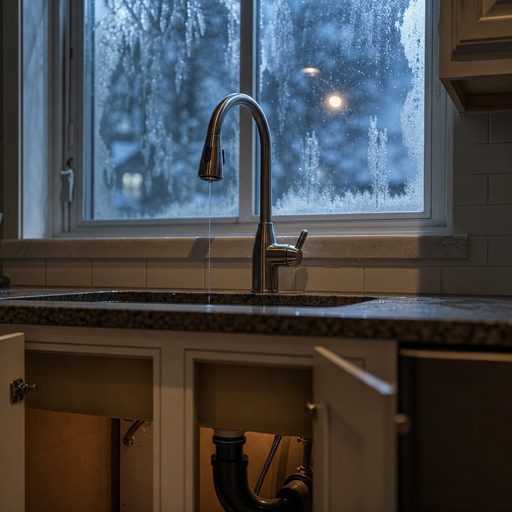
Should You Let Faucets Drip in Freezing Weather?
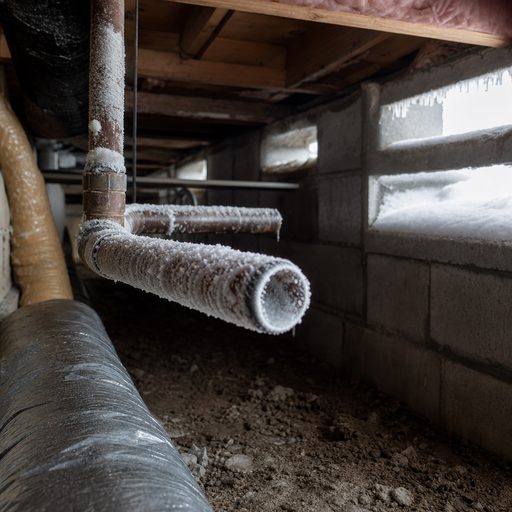
At What Temperature Do Pipes Freeze?
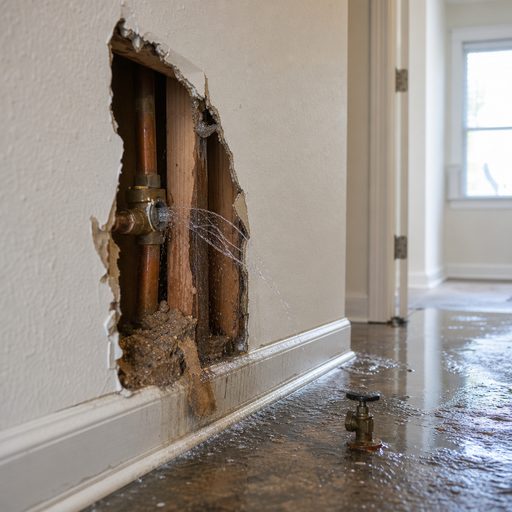
Does Insurance Cover Burst Pipe Water Damage?
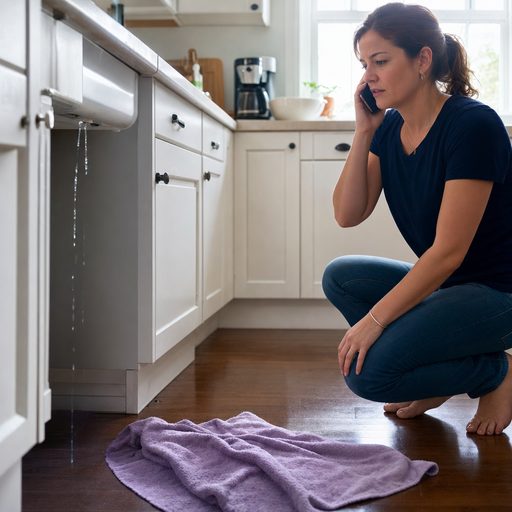
How to Choose an Emergency Plumber Fast
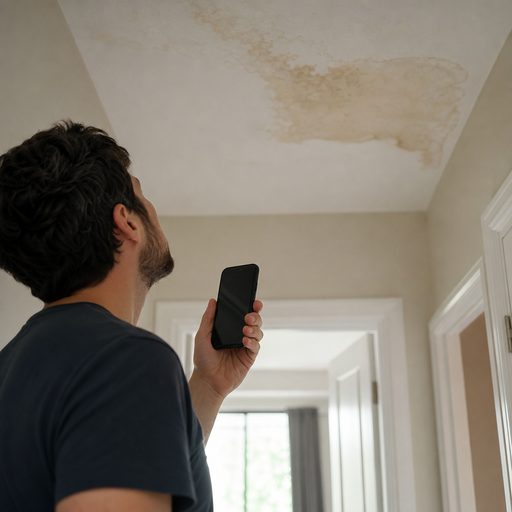
Is a Burst Pipe Always an Emergency?
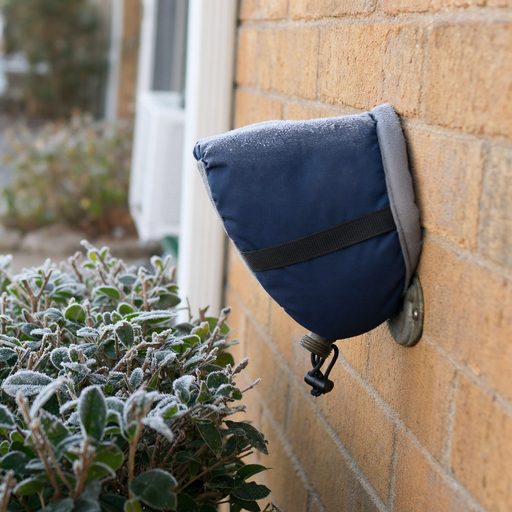
Dallas Plumbing: Preparing for Hard Freezes
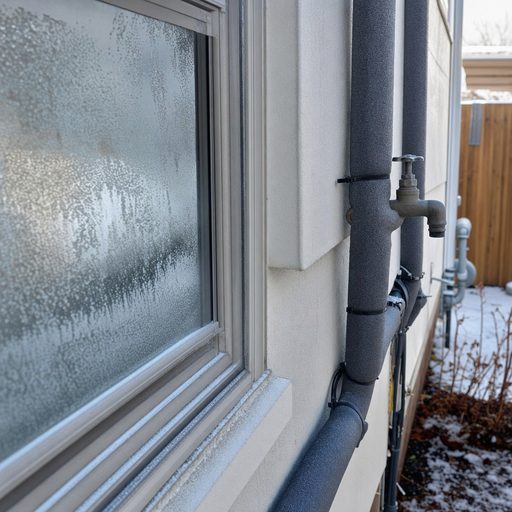
Protecting Your Pipes During a Texas Freeze
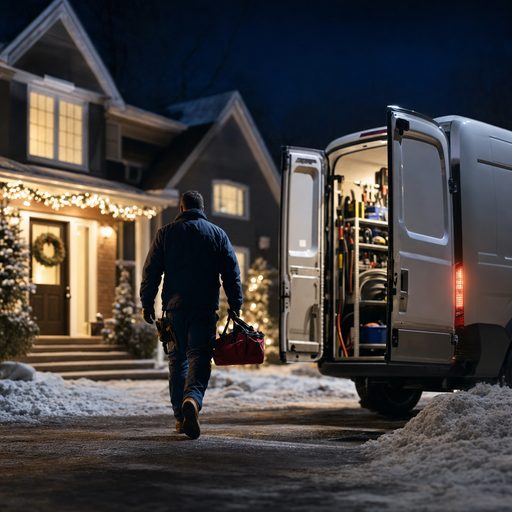
Overnight and Holiday Plumbing: What to Expect
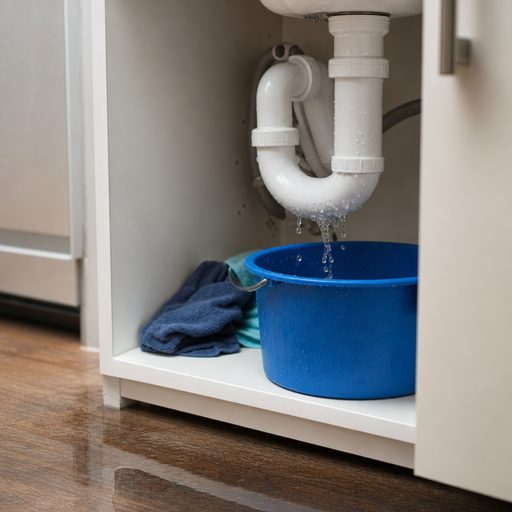
When Is a Plumbing Problem an Emergency?
Need Plumbing Help Now?
Call Plumbing Advisors to connect with help for leaks, drains, water heaters, sewer lines, burst pipes, toilets, faucets, and more.
No-obligation request · Availability varies by location and provider