 Plumbing Advisors Editorial TeamEditorial StandardsUpdated July 5, 2026Source-Checked
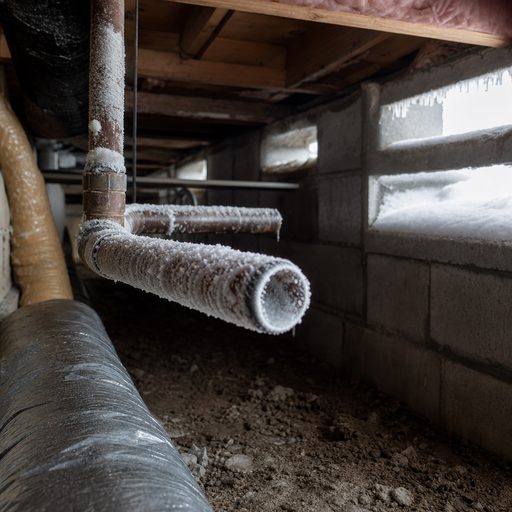
Pipes can start freezing when temperatures stay at or below about 20°F, especially if the pipe is exposed, uninsulated, or located in an unheated area. A pipe usually does not freeze the moment air hits 32°F. The biggest factors are how long the cold lasts, how much heat reaches the pipe, and whether it runs through exterior walls, crawl spaces, attics, or garages.
Why don’t pipes freeze exactly at 32°F?
Water freezes at 32°F, but pipes are part of a larger system that gains and loses heat at different rates. A pipe inside a heated home may stay well above freezing even when outdoor air drops below that mark. By contrast, a pipe in a drafty crawl space or against an exterior wall can lose heat much faster and reach freezing conditions sooner.
That is why homeowners often hear the practical rule that pipes become especially vulnerable around 20°F. It is not a magic number for every house. It is a useful warning point for exposed plumbing because sustained cold, poor insulation, and moving air can pull pipe temperature down enough for the water inside to freeze solid.
Which pipes freeze first?
The first pipes to freeze are usually the ones closest to outdoor conditions and farthest from indoor heat. That includes hose bibb supply lines, garage plumbing, attic runs, crawl space lines, and pipes in cabinets on exterior walls. In many homes, kitchen sink pipes freeze before bathroom pipes because sinks are often placed along outside walls with less insulation behind them.
Regional construction matters too. Homes in colder climates are often built with more insulation and plumbing layouts that better protect water lines. In warmer southern areas, houses may have pipes in crawl spaces, exterior walls, or attics that are fine most of the year but more vulnerable during unusual cold snaps. If you have repeated winter pipe issues, Burst Pipe Repair or Pipe Repair may be needed after the immediate freeze risk passes.
- Outdoor faucet supply lines and hose bibbs
- Pipes in unheated crawl spaces, attics, and garages
- Water lines inside exterior walls
- Pipes under kitchen and bathroom sinks on outside walls
- Irrigation backflow and exposed outdoor plumbing components
How long does it take for pipes to freeze?
There is no single timeline because freezing depends on temperature, exposure, insulation, pipe material, wind, and whether water is moving. A short overnight dip may not cause trouble in a well-insulated home. A longer cold stretch gives pipes more time to lose heat, especially when the temperature stays in the teens or lower for many hours.
Wind also matters, even though wind chill is a term usually used for people. Moving cold air strips heat from crawl spaces, wall cavities, and other exposed areas faster than still air. That means pipes in ventilated or drafty spaces can freeze sooner during windy weather, even when the thermometer reading is the same as on a calmer day.
A frozen pipe is not always the one that bursts
The break often happens as the ice blockage starts to thaw and water pressure returns to a weakened section of pipe. If you suspect freezing, read Frozen Pipe vs. Burst Pipe: Knowing the Thaw Risk so you know what warning signs to watch for.
What makes one home more vulnerable than another?
Insulation is a major factor, but it is not the only one. Air leaks around rim joists, foundation vents, pipe penetrations, and poorly sealed wall cavities can expose plumbing to sustained cold air. A home with decent insulation but heavy drafts can still have pipe-freezing problems. The location of the main water line and branch lines also changes the risk from room to room.
Plumbing use matters too. Flowing water is less likely to freeze than standing water, which is why a slow drip is sometimes recommended during severe cold. Thermostat setbacks can also increase risk if they let temperatures fall too much overnight. If your house has already had a frozen section repaired, ask about whether a targeted Pipe Repair would also be a good time to improve insulation, reroute a vulnerable line, or address a draft problem.
What should you do before temperatures drop that low?
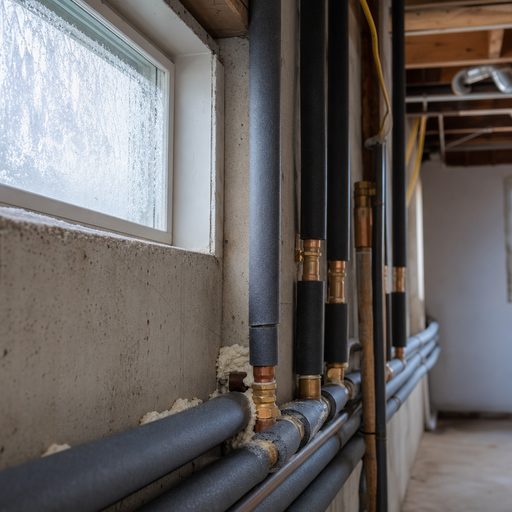
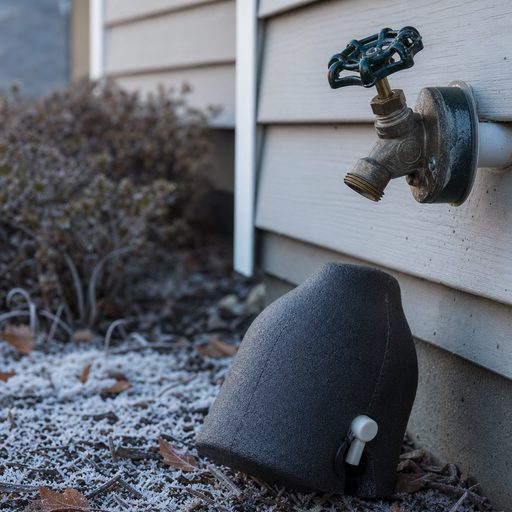
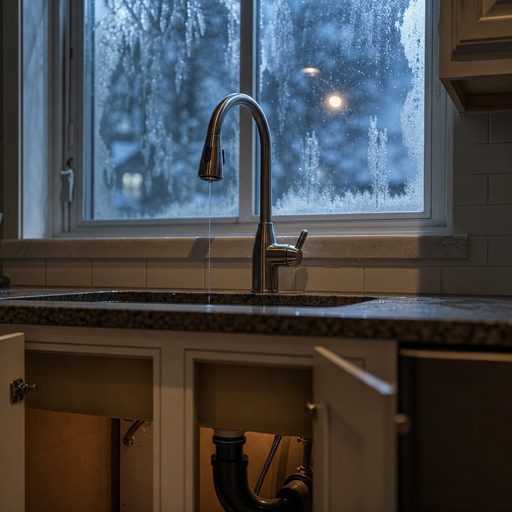
Start with prevention before the cold arrives. Disconnect garden hoses, protect outdoor faucets, seal obvious drafts, and keep interior areas consistently heated. Open sink cabinet doors on exterior walls so warmer indoor air can circulate around supply lines. If you leave home during winter, do not shut the heat off completely. A stable indoor temperature is safer than trying to save energy by letting the house get too cold.
For a full seasonal checklist, see How to Prevent Frozen Pipes and How to Winterize Outdoor Faucets and Sprinklers. Those guides cover the common trouble spots that often freeze first. If a section of pipe already has a crack, bulge, or recurring freeze issue, it is smart to arrange Burst Pipe Repair or Pipe Repair before the next hard cold spell turns a weak point into a major leak.
Can hot water pipes freeze too?
Yes. Hot water lines can freeze if they run through cold enough spaces and lose heat faster than the water inside can stay warm. They may resist freezing a little longer after recent use, but they are not protected just because they carry hot water. Pipe location and insulation still matter most.
Are PEX pipes freeze-proof?
No pipe is freeze-proof. PEX can tolerate some expansion better than rigid materials, which may reduce the chance of splitting in certain situations, but the water inside can still freeze and block flow. Fittings and valves can also be damaged. A home with PEX still needs the same winter protection steps.
Should I drip every faucet during a cold snap?
Not always. Dripping is most useful for pipes known to be vulnerable, such as lines on exterior walls, in crawl spaces, or near past freeze locations. The goal is to keep water moving through at-risk sections. If your plumbing is well protected, other preventive steps may be enough. A local plumber can help identify the lines that actually need attention.
What are early signs that a pipe may be frozen?
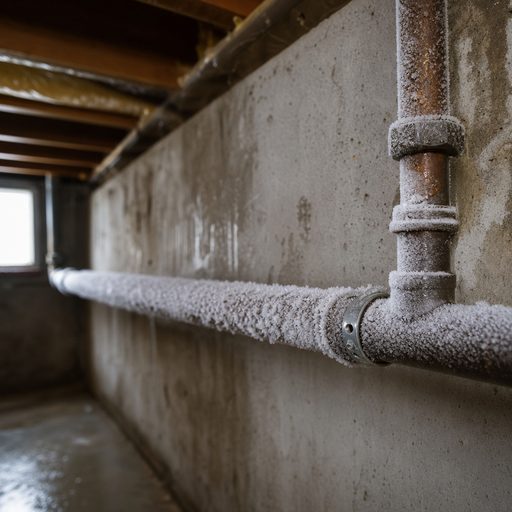
Reduced water flow, no water from one faucet, frost on exposed piping, unusual smells from a drain or fixture, and cold spots in cabinets or walls can all point to a frozen section. If only one area is affected, the problem is often local to that branch line. Treat it as urgent because thawing can reveal hidden damage.
Sources and further reading
These references support material safety, technical, consumer, or planning guidance in this article. Confirm property-specific requirements with the applicable authority and professional.
- U.S. EPA WaterSense - Home maintenance
- U.S. EPA WaterSense - Fix a Leak Week
- MedlinePlus - Drain cleaner poisoning
- U.S. EPA - Household hazardous waste
- U.S. Department of Energy - Water heating
- U.S. Department of Energy - Water-heater selection guide
- American Red Cross - Preventing and thawing frozen pipes