 Plumbing Advisors Editorial TeamEditorial StandardsUpdated May 30, 2026Source-Checked
Finding water around the base of your water heater is unsettling, but not every leak means the unit is ruined. Some leaks come from a valve or a connection that can be addressed without replacing the whole heater, while others point to a tank that is failing and on its way out. The trick is figuring out where the water is actually coming from, because the source tells you how serious the problem is and how quickly you need to act. Working through the likely culprits calmly, and knowing which checks are safe to make yourself, will help you respond the right way.
Common Sources of a Leak
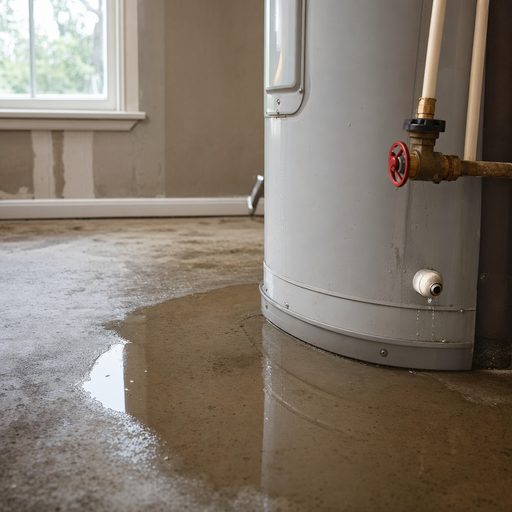
Water pooling near a heater can come from several places, and they are not equally serious. Before you assume the worst, it helps to know what each common source looks like. The temperature and pressure relief valve, the drain valve, the water connections at the top, and the tank itself are the usual suspects, and sometimes what looks like a leak is not a leak at all.
- The temperature and pressure relief, or T&P, valve. This safety valve can release water if pressure or temperature climbs too high, or it may simply be worn and dripping.
- The drain valve near the bottom. It can weep or fail to close fully, especially after the tank has been drained at some point.
- The water connections at the top. The cold inlet and hot outlet fittings can loosen over time and let water seep out.
- Condensation rather than a true leak. On a cold or heavily used tank, droplets can form on the outside and drip down, mimicking a small leak.
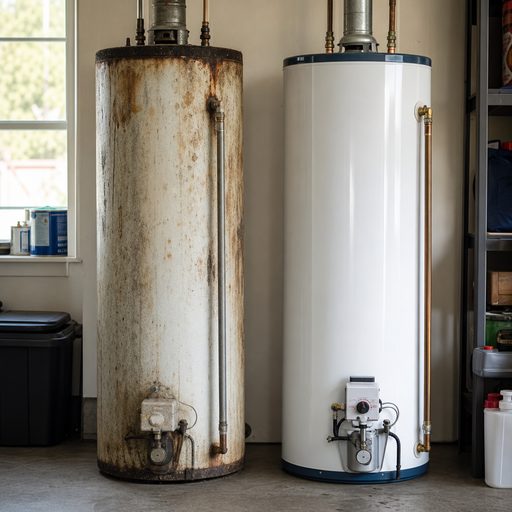
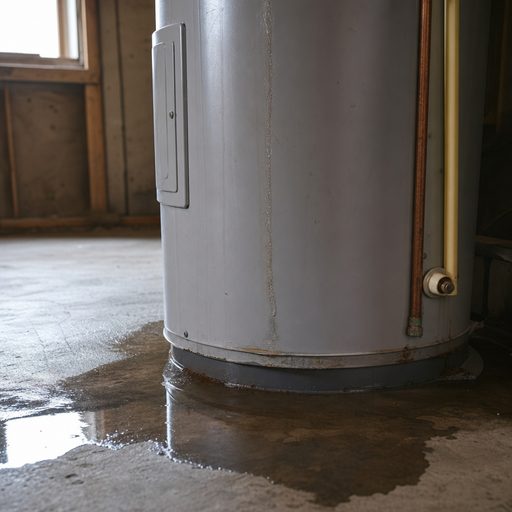
- The tank itself. Internal corrosion can let water escape through the body of the tank, which is the most serious source of all.
Safe Checks You Can Make
There are a few harmless things you can do to narrow down the source. Start by drying the area completely, then place dry paper towels around the base and at the connections and watch where moisture reappears first. Look up toward the connections and the T&P valve to see whether water is traveling down from above, and check whether the drain valve at the bottom feels wet. If the dampness is light and only shows up during heavy use or in cold conditions, you may be looking at condensation rather than a leak. These observations are safe, and they give a professional a valuable head start. What you should not do is attempt to repair the tank, the T&P valve, or any gas or electrical part yourself.
A leaking tank means replacement, not repair
If the water is coming from the body of the tank itself, the inner tank is failing and cannot be safely repaired; it could eventually rupture and flood the area. Turn off the water supply to the heater if you can safely reach the valve, and on a gas unit set the gas control to off or pilot. Then contact a professional rather than trying to patch the tank.
What Each Source Means for You
Once you know where the water is coming from, the path forward gets clearer. A dripping drain valve or a loose connection is often a contained problem that a professional can address without replacing the heater. A T&P valve that is releasing water may signal a pressure or temperature issue that needs to be investigated rather than ignored, since that valve is doing an important safety job. Condensation usually is not a repair issue at all. A leak from the tank itself, however, is a different story and almost always means the unit needs to be replaced. Matching your response to the source keeps you from overreacting to a minor drip or, just as importantly, underreacting to a failing tank.
When to Call a Professional
Any leak you cannot quickly trace to a simple, harmless cause is worth a professional's eyes. Water heater repair service can confirm the source, address a faulty valve or connection safely, and check whether the leak points to a bigger problem with the tank. If the tank itself is the culprit, that conversation naturally turns toward a replacement, and our guide on when to repair versus replace a water heater can help you think it through. Because the urgency of a leak depends so much on its source and size, our guide on whether a leaking water heater is an emergency is also worth reading so you know how fast to move.
Sources and further reading
These references support material safety, technical, consumer, or planning guidance in this article. Confirm property-specific requirements with the applicable authority and professional.