 Plumbing Advisors Editorial TeamEditorial StandardsUpdated July 5, 2026Source-Checked
Water heater repair costs vary widely, influenced by the type of unit, specific parts that need attention, and how accessible the installation is. No two homes or repairs are exactly alike, so it's essential to understand what drives these differences. By focusing on the main factors, you can better anticipate potential expenses and decide if a repair or replacement is your best choice.
What Factors Drive Water Heater Repair Costs?
The price for repairing a water heater is shaped by several key factors. First and foremost is the part that needs fixing: small components like thermostats, heating elements, and anode rods are usually less expensive to replace than larger, specialized parts such as gas control valves or the tank itself. The water heater's fuel source matters, too—electric models tend to have simpler mechanisms and cheaper repairs, while gas and tankless systems typically require more technical expertise and labor. Access also plays a big role: if the unit is tucked away in a crawlspace or utility closet, expect increased labor time. Meanwhile, older or discontinued units might mean special-ordering parts, which adds both time and expense. Codes and practices may govern part selection and installation method, so it’s wise to confirm local requirements.
Timing and urgency further affect cost: most pros charge extra for emergency, after-hours, or same-day repairs. Finally, regional labor costs are always a variable, with some cities seeing higher hourly rates than others. Whenever you receive a repair estimate, look for a clear breakdown of labor versus parts and don’t hesitate to ask questions if something seems unclear. For a deeper dive into cost considerations, be sure to review the related cost guide.
- Component in need of repair: Simple components like thermostats or heating elements cost less than gas control valves or tanks.
- Type of water heater: Electric units usually have simpler, cheaper repairs than gas or tankless systems.
- Access and installation location: Hard-to-reach units take longer and may require extra labor.
- Parts availability: Outdated or off-brand heaters may need hard-to-find parts.
- Repair urgency: Emergency and off-hours calls typically lead to higher labor rates.
Why Are Repair Prices Not One-Size-Fits-All?
Ask for a detailed, itemized estimate up-front
Before authorizing any water heater work, request a written estimate that lists parts and labor separately. This transparency helps you compare repair with full replacement, and helps avoid surprise charges. For major decisions, compare estimates from different pros.
When Is Water Heater Repair a Good Investment?
Most water heaters—such as those from Rheem, Bradford White, or Whirlpool—last between 8 and 12 years when well maintained. If your tank is in this range or younger and the problem is limited to serviceable parts, such as a failed heating element, thermostat, or pressure relief valve, repair makes good sense. Replacing an anode rod can stave off rust and extend tank life, while addressing a clogged condensate drain or dirty air filter in a hybrid heater or cleaning the flame sensor in a tankless model can restore performance.
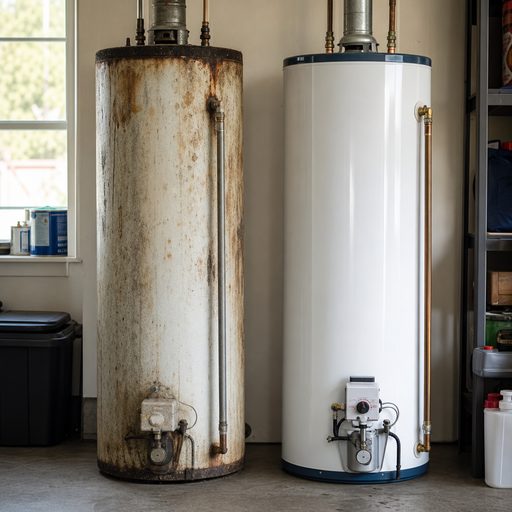
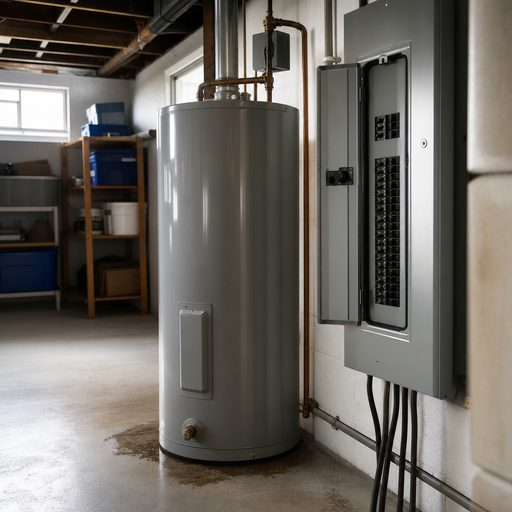
However, if you’re seeing rust flakes in your hot water, leaks around the tank, or recurring issues (like the pilot light repeatedly going out), your unit may be nearing the end of its life. In these cases, fixing one problem often leads to another expensive repair down the line. Be sure to ask your plumber about the underlying causes—issues like sediment buildup or failed TPR valves might hint at bigger problems.
- Repair is often ideal for relatively new units with isolated issues.
- Component-focused fixes (anode rod, thermostat, heating element) tend to be cost-effective.
- Major tank leaks or widespread corrosion typically indicate replacement is smarter.
When Should You Call a Water Heater Pro?
Most water heater issues are best diagnosed and repaired by a licensed professional. Modern heaters involve electrical, gas, and plumbing elements—mishandling any of these can be dangerous. Pros use diagnostic tools to test thermostats, heating elements, gas control valves, and pressure relief valves accurately. They also look for code compliance during repairs and can catch installation issues you might miss. If you notice a rotten egg smell (indicative of gas), see significant leaking at the base, or if the hot water disappears suddenly, it's time to shut off the heater and contact a professional right away.
Professional plumbers can weigh the costs and benefits of repair versus full water heater installation, especially when older units develop multiple issues or if replacement parts are no longer available. For more guidance, see our When to Repair vs. Replace a Water Heater and Why Your Water Heater Is Not Getting Hot guides. These resources can help you recognize early warning signs and make a cost-effective decision before a minor inconvenience becomes a major headache.
Understanding Parts: A Closer Look at Common Repairs
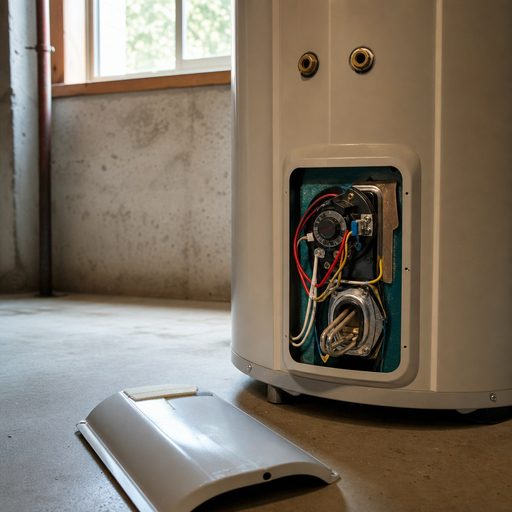
Most water heater repairs target a handful of critical components. Electric units often need new thermostats or heating elements, both of which are accessible and relatively straightforward for a professional to swap. In gas units, common problem areas include the thermocouple (which shuts off gas if the pilot light goes out), the gas control valve, or the temperature-and-pressure (TPR) relief valve. The anode rod—a long magnesium or aluminum rod inside the tank—plays a vital protective role by attracting corrosion. If neglected, tank walls can rust prematurely, leading to leaks and premature replacement.
Brands like A.O. Smith, Rheem, and Bradford White typically offer repair parts for their tank-style heaters for several years after manufacture, but sourcing parts becomes more complex for discontinued or off-brand models. Always ask about the specific component that failed—such as the heating element, TPR valve, or dip tube—so you can better judge if repair is a short-term fix or a sensible investment that will restore reliable hot water.
How Labor and Access Influence Water Heater Repair
Labor makes up a significant portion of repair costs, and the complexity of your installation is a major driver. Easy-to-reach water heaters—such as those in garages or utility rooms—generally take less time for diagnostics and repairs, helping to control total expense. Conversely, heaters tucked into basements, attics, or crawlspaces may require a second technician or specialized tools to access safely, extending the job. In particular, tankless systems (like those from Rinnai or Navien) may involve longer troubleshooting sessions due to electronic control boards and tightly packed components.
Additional time may be required if the repair demands draining the tank (for a heating element change), flushing out heavy sediment, or executing code-mandated upgrades like updated venting. Local building codes vary, so always confirm what’s required before authorizing work. If repair estimates start to rival the cost of a new unit, it’s time to compare options with a reputable pro, looking at both short- and long-term performance.
Preventive Maintenance: Reducing the Likelihood of Expensive Repairs
Ongoing maintenance can stave off the most common water heater failures and reduce lifetime repair costs. Flushing your tank annually helps prevent sediment buildup—a notorious cause of heating element failure and efficiency loss. Replacing the anode rod every three to five years, especially in areas with hard water, significantly extends tank life by slowing down internal rust. Regularly testing the TPR valve ensures your unit can safely relieve excess pressure, reducing the risk of catastrophic leaks.
Most manufacturers—including Rheem, A.O. Smith, and Bradford White—suggest a maintenance schedule in the owner’s manual. Scheduling routine inspections as part of your wider Water Heater Repair or Water Heater Installation plan helps catch minor issues before they balloon into emergencies. Staying proactive can keep your system running efficiently, minimize service calls, and maintain warranty coverage.
- Annually flush the tank to minimize sediment buildup and maintain efficiency.
- Inspect and replace the anode rod every 3-5 years, or sooner in hard water areas.
- Test the pressure relief valve regularly as part of routine maintenance.
- Review your water heater's manual for manufacturer-specific servicing intervals.
Comparing Repair vs. Replacement: Making the Right Choice
Don’t forget to review related guidance on When to Repair vs. Replace a Water Heater, which can further clarify whether sticking with your existing system aligns with your comfort, budget, and energy goals. If you’re unsure about the extent of the damage or what’s possible for your installation, a licensed plumber can recommend the most practical and code-compliant solution.
What are signs that my water heater needs repair?
Common signs include inconsistent or no hot water, strange noises from the tank (such as rumbling or popping), visible leaks, rust or sediment in your water, and pilot light problems in gas units. Early diagnosis helps prevent further damage and expense.
How long does a typical water heater repair take?
Most standard repairs—such as changing a heating element, thermostat, or pressure relief valve—can be completed within a few hours. Complex diagnostics, tankless unit repairs, or units in tight spaces may extend total work time.
Can tankless water heaters be repaired, or must they be replaced?
Tankless water heaters from brands like Rinnai, Navien, or Noritz can be repaired, but they require specialized tools and diagnostics. Replacing sensors, control boards, or flow valves is common. Professional servicing maintains efficiency and safety.
What’s the benefit of replacing the anode rod?
The anode rod attracts corrosive agents, protecting the tank lining and slowing rust. Timely replacement (every 3-5 years) can add years to your tank’s life, reducing the chance of leaks and expensive repairs.
Sources and further reading
These references support material safety, technical, consumer, or planning guidance in this article. Confirm property-specific requirements with the applicable authority and professional.