 Plumbing Advisors Editorial TeamEditorial StandardsUpdated May 18, 2026Source-Checked
A water heater that has suddenly become noisy can be alarming, but the sounds it makes are often a useful clue rather than a cause for panic. Different noises tend to come from different sources, so a rumble means something quite distinct from a tick or a high-pitched whine. Learning to tell these sounds apart helps you understand what is happening inside the tank and decide whether the fix is simple maintenance or a job for a professional. In many cases a noisy heater is asking for a little care before the problem grows, so it pays to listen.
What Different Sounds Mean
Each kind of noise points toward a likely cause inside or around the heater. Matching the sound you hear to the descriptions below is the first step toward understanding the problem and deciding what to do next.
- Rumbling, popping, or crackling. This is the most common complaint and usually means sediment has built up at the bottom of the tank, trapping water beneath it that bubbles and pops as it heats.
- Ticking or tapping. Light ticking is often the sound of pipes or fittings expanding and contracting as water temperature changes, and it is usually harmless.
- Screeching or whistling. A high-pitched sound often comes from water being forced through a valve that is only partly open, such as the inlet valve or the temperature and pressure relief valve.
- Banging or hammering when a faucet shuts off. This usually points to a pressure issue in the pipes rather than the heater itself.
- Sizzling or hissing. On a unit with a leak, water reaching a hot surface can hiss, which is worth investigating promptly.
Why Sediment Is So Often the Cause
Of all these sounds, the rumbling and popping caused by sediment is by far the most frequent, so it is worth understanding. Over time, minerals in your water settle to the bottom of the tank and form a layer of sediment. As the burner or element heats the tank, pockets of water get trapped under that layer and boil, producing the popping and rumbling you hear. Beyond the noise, this buildup forces the heater to work harder, wastes energy, and can shorten the unit's life. Homes with hard water tend to see sediment accumulate faster, which is why a heater in one home may grow noisy long before an identical one elsewhere.
Flushing Can Quiet a Noisy Tank
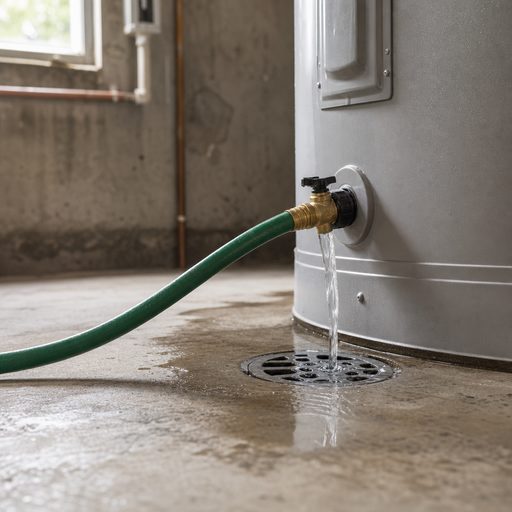
Because sediment is so often the culprit, periodically flushing the tank is the most effective way to address rumbling and popping and to keep it from coming back. Draining and flushing the tank clears out the accumulated minerals so water no longer gets trapped and boils beneath them. Many homeowners who are comfortable with a few basic steps can flush a standard tank themselves, while others prefer to leave it to a professional, particularly if the buildup is heavy or the unit has not been maintained in a long time.
Shut off the heat before draining the tank
If you flush the tank yourself, turn off the heat first: set the gas control to off or pilot on a gas heater, or switch off the breaker on an electric one. The water inside is hot enough to cause serious burns, so let it cool before draining. Never attempt any gas-line or electrical work yourself, and if you are not confident about shutting the unit off safely, stop and call a professional.
When to Call a Professional
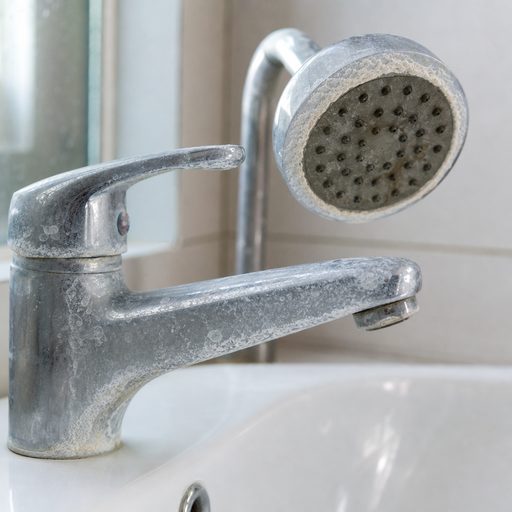
Some noises call for a professional rather than a do-it-yourself fix. If a screeching valve does not quiet down, if flushing does not stop the rumbling, if you hear hissing that suggests a leak, or if you are simply not comfortable draining the tank, it is best to get help. Water heater repair service can flush a heavily clogged tank, address a faulty valve, and check for related wear, all without risk to you or the unit. If you would like to try flushing first, our step-by-step guide on how to flush your water heater walks through it safely. And because hard water speeds up the buildup behind so much of this noise, our guide on the signs of hard water in your home is worth a look if you find your tank getting loud again sooner than expected.
Sources and further reading
These references support material safety, technical, consumer, or planning guidance in this article. Confirm property-specific requirements with the applicable authority and professional.