 Plumbing Advisors Editorial TeamEditorial StandardsUpdated July 5, 2026Source-Checked
How Old Is Your Water Heater—and Why It Matters
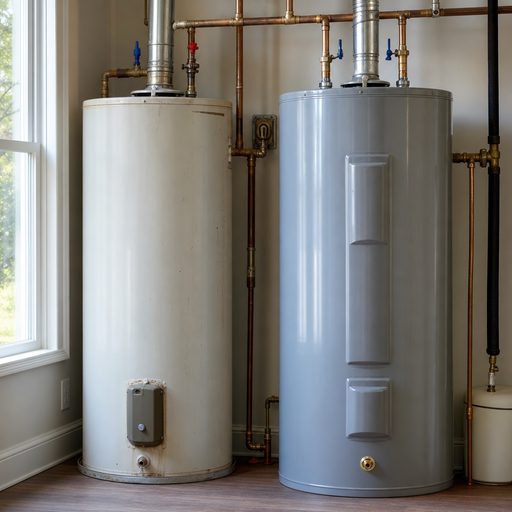
The age of your water heater is a central factor in determining the best course of action. Most traditional tank-style water heaters from brands like Rheem, A.O. Smith, or Bradford White last about 8 to 12 years with proper care. Tankless models from manufacturers such as Rinnai or Navien often last much longer, frequently beyond 20 years if maintained well. You can typically find the manufacturing date on the unit’s rating label or within the serial number—many manufacturers provide online tools to decode these.
Which Problems Are Worth Repairing?
Some water heater issues are affordable and straightforward to fix. Common examples include faulty thermostats, heating elements, or thermocouples—parts that often wear out before the tank itself. If a professional diagnoses and replaces these components, the unit can often continue working for years. Many newer units from brands like A.O. Smith or Rheem use replaceable anode rods, dip tubes, and pressure relief valves (TPR valves), which can also be swapped out to improve function and extend the heater’s life.
Repairs are typically recommended when the tank itself is in good shape, there’s no sign of rust or leaking, and overall maintenance has been kept up. Addressing hard water buildup, for instance, by flushing the tank or replacing an anode rod, can improve performance without a major investment. When considering repair, look for signs of regular operation issues, such as fluctuating water temperatures or slow hot water recovery, but always ensure the main tank isn’t compromised.
Problems That Signal It’s Time for Replacement
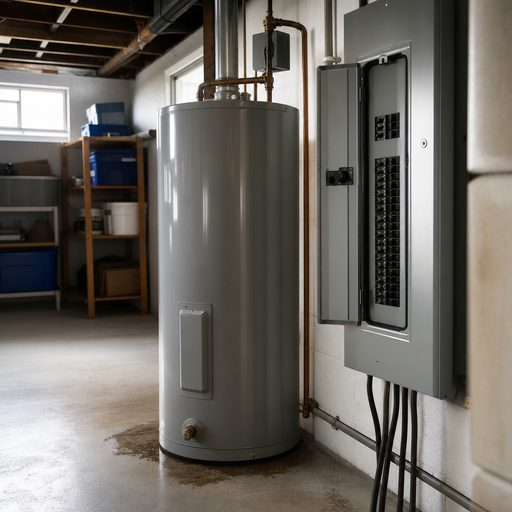
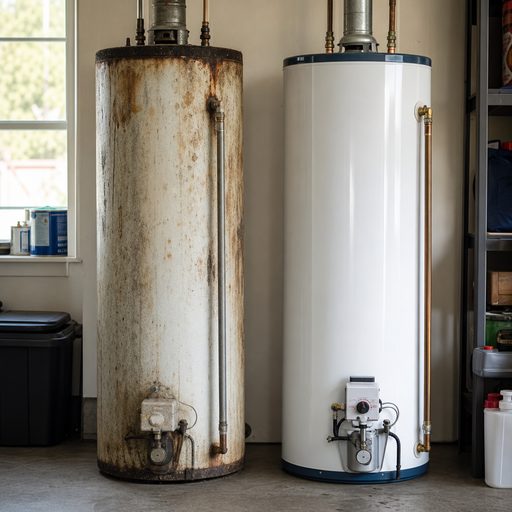
While many issues are repairable, certain problems indicate a replacement is needed. If the tank is leaking, this usually means the steel inner tank has corroded and breached—no practical repair exists for this. Persistent rust in your hot water, water pooling around the base, or the presence of cracks or bulges on the tank are further red flags. Replacing major components on an old unit often only postpones the inevitable failure of the tank itself.
Other signs it's time for a new unit include frequently tripped circuit breakers, unexplained increases in energy bills, or the inability to provide enough hot water for your household. If repairs are becoming a regular occurrence, or if the cost of a major fix approaches the cost of replacement, upgrading to a new, more efficient model from a reputable manufacturer is usually the best financial decision long-term. the related cost guide outlines the typical cost ranges for repair and replacement—keep in mind, energy savings and warranty coverage may make replacement more attractive even if up-front expenses are higher.
Diagnosing Common Water Heater Failures
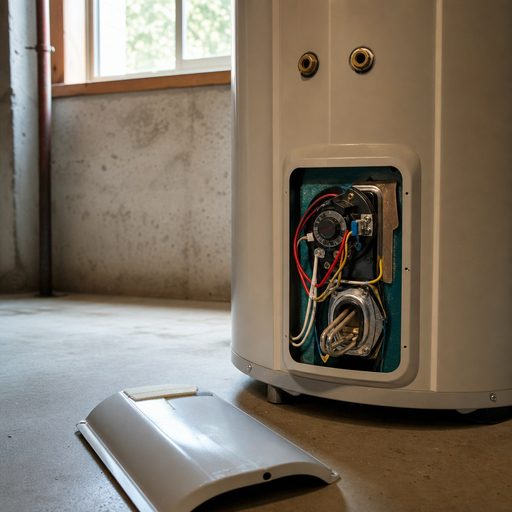
Understanding which component failed is helpful when discussing options with a Water Heater Repair professional. For electric models, common failures include heating elements and thermostats. Gas heaters often develop thermocouple or pilot assembly issues. TPR valves—required safety features—must function flawlessly and can stick or leak with age, especially when hard water is present. Sediment buildup is a frequent cause of strange noises and reduced efficiency, and can sometimes be solved by professional flushing.
If your unit struggles to keep water hot, refer to our Why Your Water Heater Is Not Getting Hot guide for common diagnostic steps. Bear in mind that opening the water heater to service electrical or gas components involves risk—especially with high-voltage wiring or gas connections. A licensed technician can use specialized tools to check electrical continuity, gas flow, and pressure, as well as inspect for leaks or corrosion, ensuring an accurate diagnosis before you commit to repair or replacement.
Cost Drivers: What Impacts Your Decision Most
The choice between repair and replacement is closely tied to both immediate and long-term costs. Things like the age and type of your water heater, the brand and availability of replacement parts (such as anode rods, thermocouples, or gas control valves), and the severity of the problem will drive the repair cost. If your unit is still under the manufacturer’s warranty, some parts may be covered—double-check your paperwork before authorizing repairs.
Replacement costs are determined by factors like tank size, efficiency rating, type (tank vs. tankless), and any modifications needed for installation. Upgrading to a higher-efficiency model or switching to a larger capacity to better serve your family may raise upfront costs but offer payback in lower energy bills and improved reliability. For a direct price comparison, review the related cost guide, and consult a local pro to confirm what’s recommended for your specific situation and regional plumbing codes.
Code Requirements and Safety Concerns
Water heater repair and installation are subject to plumbing and building codes that vary by region. Some codes specify the type of venting, earthquake strapping (in certain states), TPR valve discharge piping, and catch pan requirements. For electric and gas water heaters alike, improper installations can cause flooding, gas leaks, or electrical hazards. Even seemingly small changes—like swapping a TPR valve or upgrading to a larger tank—can require code compliance checks.
For your safety and potential insurance coverage, always confirm code requirements with a licensed technician or your local building authority before proceeding. Professional installers can ensure all work—including electrical connections, gas fittings, and expansion tanks if required—is completed up to standard. For more detail on diagnosing problems, see our Water Heater Repair and Water Heater Installation service guides or consult your municipality for region-specific rules.
Choosing the Right Professional for the Job
Many reputable technicians will inspect your entire system—not just the failing component—so related issues can be addressed at the same time. This thorough evaluation might reveal hidden corrosion, old supply lines, or outdated venting that would prompt a recommendation for replacement for safety. Request a detailed summary of diagnostics and a written plan of action, including any warranty implications, before you commit to either repair or replacement.
Preventing Future Water Heater Problems
- Flush the tank or have a pro perform this service annually, especially in hard-water regions.
- Have the anode rod inspected every 2–4 years; replace if heavily corroded.
- Check and test the TPR valve for proper operation once a year.
- Inspect and, if needed, replace flexible water supply lines and shut-off valves for signs of wear.
- Watch for any rust, leaks, or odd noises, and call a pro for any sudden changes in performance.
Keep a maintenance log with installation and service dates. If you’re ever unsure whether a problem is worth repair or if a system is safe to keep running, a professional can help you balance convenience, cost, and long-term peace of mind.
What parts can usually be repaired or replaced on a water heater?
Many problems involve replaceable components, such as thermostats, heating elements, anode rods, ignitors, or dip tubes. If the tank and major assemblies are in good shape, addressing these parts can restore proper function at a much lower cost than total replacement.
Is it worth repairing a leaking water heater?
A leaking tank almost always means replacement is necessary. Leaks from fittings or the TPR valve may sometimes be repaired, but water seeping from the body of the tank points to internal corrosion that’s beyond safe or economical repair.
Can I install a new water heater myself?
Many jurisdictions require a permit and inspection for water heater installation due to safety risks. Tasks involving gas lines, electric wiring, and venting have serious hazards—DIY is strongly discouraged. Always consult a professional for installation and to ensure code compliance.
Sources and further reading
These references support material safety, technical, consumer, or planning guidance in this article. Confirm property-specific requirements with the applicable authority and professional.
- U.S. EPA WaterSense - Home maintenance
- U.S. EPA WaterSense - Fix a Leak Week
- U.S. Department of Energy - Water heating
- U.S. Department of Energy - Water-heater selection guide
- U.S. Geological Survey - Hardness of water
- U.S. Geological Survey - Water corrosivity
- National Association of Insurance Commissioners - Homeowners insurance