 Plumbing Advisors Editorial TeamEditorial StandardsUpdated June 5, 2026Source-Checked
A water heater rarely fails without warning. Long before it quits entirely, it usually drops hints that something is off, and learning to read those hints can save you from an unexpected cold shower or a messy leak. Some signs point to a simple fix, while others suggest the unit is wearing out, but in nearly every case they are worth paying attention to rather than tuning out. Catching a problem early often means a smaller, less expensive repair and a heater that keeps working reliably for years to come.
Changes in Your Hot Water
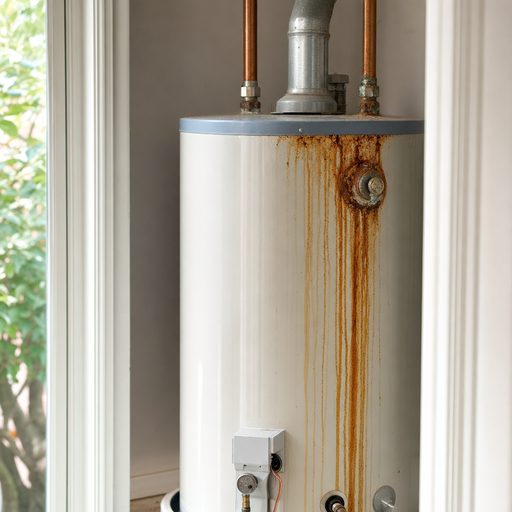
The water coming out of your taps is often the first place trouble shows up. Rusty or discolored hot water can indicate corrosion inside the tank or a worn anode rod, especially if the color appears only on the hot side. Water that comes out lukewarm, never gets fully hot, or runs out far faster than it used to often points to a failing heating element, a thermostat problem, or a buildup of sediment that is crowding out usable hot water. A metallic smell or taste on the hot side is another clue worth noting. None of these changes is normal, and each is a reason to take a closer look.
Noises, Leaks, and Other Red Flags
Beyond the water itself, your heater communicates through sounds, moisture, and your monthly bills. The signs below are common indicators that a unit needs attention, and the more of them you notice together, the stronger the case for having it checked.
- Rumbling, popping, or banging sounds, which often mean sediment has collected in the bottom of the tank.
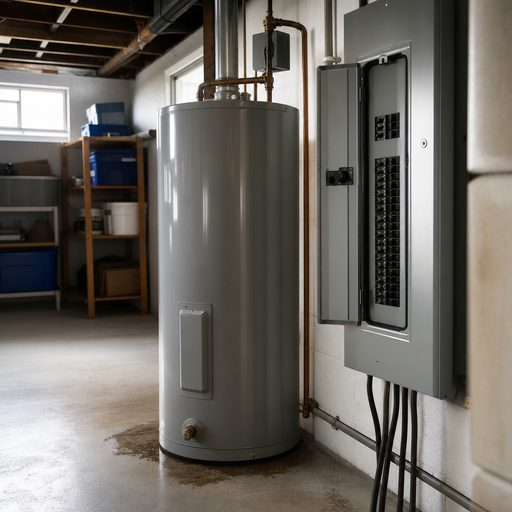
- Water pooling or dampness around the base of the unit, which always deserves prompt attention.
- Hot water that is lukewarm, inconsistent, or disappears much sooner than it once did.
- Rusty, discolored, or metallic-smelling water on the hot side of your taps.
- A higher energy bill with no change in your habits, which can mean the heater is working harder than it should.
Treat a leak around the base seriously
Water collecting at the bottom of the tank can mean the tank is failing, and a failing tank can eventually rupture and flood the area. Turn off the water supply to the heater if you can safely reach the valve, and on a gas unit set the gas control to off or pilot. Then call a professional rather than waiting to see if it gets worse.
When to Call a Professional
If you are noticing any of these signs, it is worth having the unit looked at before a minor issue becomes a major one. Water heater repair service can diagnose the cause of discolored water, lukewarm temperatures, strange noises, or a leak, and handle the fix safely. To prepare for that call, our guide on why your water heater is not getting hot can help you describe what you are experiencing more precisely. And because so much of this comes back to age, our guide on how long water heaters last is a useful read for deciding whether your unit is a candidate for repair or is simply nearing the end of its service life.
Sources and further reading
These references support material safety, technical, consumer, or planning guidance in this article. Confirm property-specific requirements with the applicable authority and professional.