 Plumbing Advisors Editorial TeamEditorial StandardsUpdated July 25, 2026Source-Checked
Few household surprises are as unwelcome as a cold shower. When your water heater stops producing hot water, or the hot water runs out far faster than it used to, the cause can range from a simple setting to a failing component. Understanding the likely culprits, and which ones are safe to check yourself, can help you get warm water back sooner and know when professional help is truly needed. The right approach also depends a great deal on whether you have an electric or a gas unit, since the two heat water in very different ways.
Common Causes by Heater Type
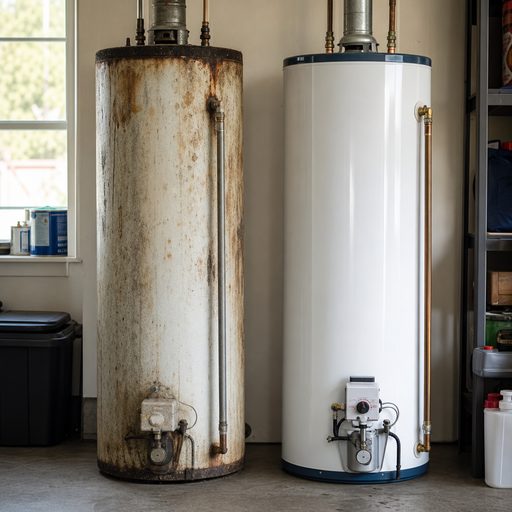
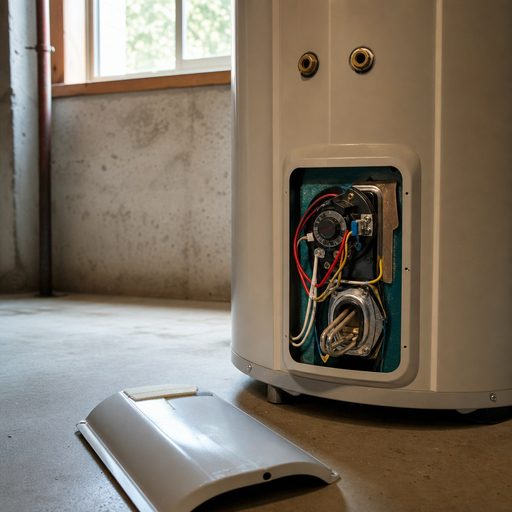
Electric and gas water heaters fail for different reasons. Electric models rely on one or two heating elements and a dedicated circuit breaker, so an electrical fault or a burned-out element is a frequent cause of no hot water. Gas models depend on a burner, a pilot light or electronic igniter, and a steady gas supply, so a pilot or supply problem is more common there. In both types, a tank that is simply too small for current household demand can leave you short on hot water even when nothing is actually broken.
- A tripped circuit breaker or a failed heating element on electric units.
- A pilot light or igniter problem, or an interrupted gas supply, on gas units.
- A thermostat set too low, accidentally bumped, or failing entirely.
- Sediment buildup in the bottom of the tank reducing capacity and efficiency.
- An aging tank that can no longer keep up with the household's demand.
- A dip tube problem that mixes incoming cold water with the hot water at the top.
Never troubleshoot gas yourself
If you smell rotten eggs or sulfur near a gas water heater, leave the area immediately and call your gas utility's emergency line from a safe location. Do not relight a pilot, touch the gas valve, or attempt any gas-line work. Gas repairs must always be handled by a qualified professional.
Safe Checks You Can Make
There are a few harmless things you can verify before calling for service. For an electric heater, check whether the breaker has tripped and reset it once if it has; if it trips again right away, stop and call a professional rather than repeatedly resetting it. Confirm the thermostat dial has not been bumped to a low setting, and make sure no one in the household simply used a lot of hot water right before you noticed the problem. For any heater, look for water pooling around the base, which points to a leaking tank that needs prompt attention. These simple checks are safe and sometimes solve the problem on their own.
Match the symptom to the system
| What you notice | Possible direction | Safe response |
|---|---|---|
| No hot water from an electric tank | Power, high-limit control, thermostat, or heating element | Check the labeled breaker once; stop if it trips again |
| No hot water from a gas tank | Ignition, burner, gas supply, control, or venting | Read the status indicator and manufacturer instructions; do not work on gas components |
| Water is only lukewarm | Temperature setting, mixing valve, element, burner, or sediment | Compare several fixtures and note whether the problem is constant |
| Hot water runs out sooner than before | Demand change, one failed electric element, dip tube, sediment, or undersizing | Note recovery time, household demand, and the unit's age and capacity |
Repair or replace?
Age alone does not decide the question. A replaceable control, igniter, thermostat, or heating element can make repair reasonable when the tank is sound and the failure is isolated. A leaking tank body, severe corrosion, repeated failures, unavailable parts, or a unit that no longer meets the household's demand can favor replacement. Ask the professional to separate the confirmed failure from optional upgrades and compare the repair cost, remaining warranty, expected service life, and operating needs.
Safety boundaries around a water heater
- Leave the building and contact the gas utility or emergency services from a safe location if you smell gas.
- Leave and call emergency services if a carbon-monoxide alarm sounds or occupants have possible exposure symptoms.
- Never cap, plug, or block a temperature-and-pressure relief valve or its discharge pipe.
- If the tank is actively leaking, keep clear of electrical equipment and shut off water and energy only when the controls are safely accessible.
- Do not remove access covers or test energized components unless you are trained and authorized to do that work.
When to Call a Professional
If the simple checks do not restore hot water, it is time for help. Water heater repair service can diagnose failed elements, thermostats, igniters, and sediment problems safely and get your system working again. If your unit is old, leaking, or repeatedly failing, water heater installation may be the more sensible path, and a professional can advise on a properly sized and efficient replacement. To weigh your options before deciding, read our guide on when to repair versus replace a water heater, which walks through the factors that tip the decision one way or the other.
Why does an electric water heater have no hot water after I reset the breaker?
A breaker that trips again can indicate an electrical fault, failed element, damaged wiring, or another component problem. Do not keep resetting it. Leave the circuit off and arrange professional diagnosis.
Why is the water warm but never fully hot?
Possible causes include a low setting, mixing-valve trouble, one failed element in a two-element electric tank, burner performance, sediment, or cold water mixing into the hot line. Compare several fixtures before assuming the tank is at fault.
Does running out of hot water mean the heater must be replaced?
No. Higher household demand, a failed lower element, a damaged dip tube, sediment, or a control problem can reduce usable hot water. Replacement becomes more likely when the tank leaks, failures repeat, or capacity no longer fits the household.
Is a gas water heater safe if there is no hot water?
Loss of hot water alone does not establish a gas leak. Follow the manufacturer's status guidance without opening gas components. If you smell gas, hear leaking gas, or a carbon-monoxide alarm sounds, leave immediately and call from a safe location.
Sources and further reading
These references support material safety, technical, consumer, or planning guidance in this article. Confirm property-specific requirements with the applicable authority and professional.
- CDC: Carbon monoxide poisoning basics and fuel-burning appliance safety
- U.S. Consumer Product Safety Commission: Gas appliance connector safety
- U.S. Department of Energy: Home energy and water-heater checklist
- U.S. EPA WaterSense - Home maintenance
- U.S. EPA WaterSense - Fix a Leak Week
- U.S. Department of Energy - Water heating
- U.S. Department of Energy - Water-heater selection guide