
Tankless Water Heater Installation
Tankless Water Heater Installation in Springfield, MA
Homeowners planning tankless installation in Springfield, MA should note which hot-water fixtures may run together and what temperature rise the equipment must deliver. That keeps the Massachusetts conversation focused on observable conditions while the actual cause and repair boundary remain subject to inspection.
Plumbing Advisors provides guidance and connection assistance. Independent providers perform the plumbing work and confirm availability, pricing, timing, and credentials.
On this pageOverview
 Plumbing Advisors Editorial TeamEditorial StandardsSource-Checked
Homeowners planning tankless installation in Springfield, MA should note which hot-water fixtures may run together and what temperature rise the equipment must deliver. That keeps the Massachusetts conversation focused on observable conditions while the actual cause and repair boundary remain subject to inspection.
The quick answer
- Typical cost
- Electric and gas tankless systems have different installation requirements, so compare them as separate installed projects. A gas quote should include the unit, dedicated venting, and any required gas-line work; an electric quote should identify any needed circuit or panel upgrades. Final cost depends on capacity, access, labor, and the home's existing utility connections.
- Repair or replace
- The main choice when going tankless is between a gas and an electric unit.
- Get help fast
- Describe the problem and we'll connect you with independent tankless installation pros serving Springfield, MA — no obligation.
Tankless Water Heater Installation in Springfield
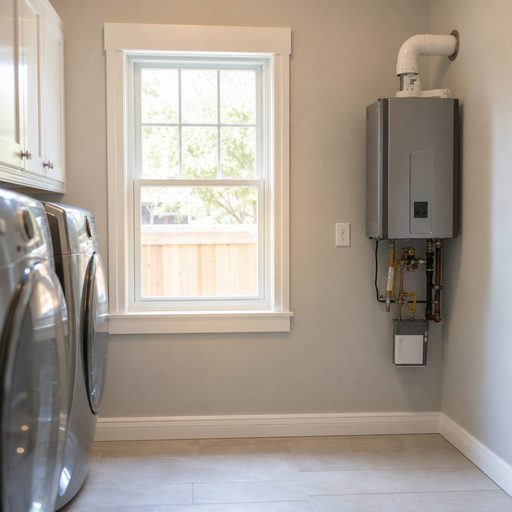
A tankless water heater, sometimes called an on-demand unit, heats water only as it flows through, instead of keeping a tank full of hot water around the clock. That difference is the whole appeal: hot water does not run out the way a tank's reserve can, the unit takes up a fraction of the space, and there is no standby energy lost to reheating a tank all day. A good tankless installation, though, is less about the box on the wall and more about matching the unit to your home, from how much hot water you use at once to how the unit is vented and fueled.
The two main types are gas and electric, and the choice shapes both performance and what the install requires. Gas models generally deliver higher flow rates and are common for whole-home use, but they need dedicated venting and often a larger gas line to feed the burner. Electric models are simpler to vent and well suited to smaller demand, but may call for added electrical capacity. On top of that, sizing is done by flow rate rather than gallons, and the unit has to raise your incoming water temperature enough even in winter. Because venting, gas-line sizing, electrical capacity, and permits all vary by city, county, and state, a local professional is the one who confirms what your home needs and installs it to code.
Signs a tankless water heater may be a good fit in Springfield
You keep running out of hot water
If a tank's reserve drains during back-to-back showers or heavy use, a properly sized tankless unit can supply continuous hot water instead of leaving you waiting for a tank to reheat.
You want to reclaim space
A tankless unit mounts on a wall and is far smaller than a storage tank. If you want to free up a closet, garage corner, or utility space, that compact footprint is a real draw.
Your tank just failed
A failed or leaking tank is a natural moment to consider upgrading rather than swapping in another tank. Planning the conversion then lets you weigh venting and fuel needs before committing.
You run several hot fixtures at once
Homes that often use multiple showers or appliances simultaneously benefit from sizing a unit, or units, to that peak flow. It is a good reason to have the demand assessed properly.
You want lower standby energy loss
Because a tankless unit does not keep water hot all day, it avoids the standby loss a tank has. For the right household and a long stay in the home, that efficiency can add up over time.
You are remodeling or adding fixtures
A renovation that adds bathrooms or high-flow fixtures can outpace an older tank. Installing tankless during a remodel is a chance to size hot water to your new layout from the start.
Causes and scope drivers to inspect
- A storage tank that has failed or reached the end of its life
- Frustration with running out of hot water under heavy use
- Limited space that a bulky tank takes up
- A desire to lower standby energy loss from a tank
- A remodel or new fixtures increasing hot water demand
Gas vs. electric tankless
The main choice when going tankless is between a gas and an electric unit. Neither is simply better; the right pick depends on your demand, your existing service, and your home.
Gas tankless
Gas units generally deliver higher flow rates, which makes them a common choice for whole-home use and colder climates where incoming water needs a bigger temperature boost. The tradeoff is that they need dedicated venting and often a larger gas line to supply the burner, which adds to the install. They suit homes with existing gas service and higher hot water demand.
Electric tankless
Electric units are simpler to install in some ways since they do not require combustion venting, and they work well for smaller homes or lower simultaneous demand. The catch is that high-output electric models can draw a lot of power and may require added circuits or panel capacity. They are a good fit where gas is unavailable or demand is modest.
How to decide
Weigh your peak flow rate, how cold your incoming water gets, whether you already have gas service, and your panel's capacity. A professional can size either type to your home and tell you what venting, gas, or electrical work the install would actually involve before you commit.
How much does tankless installation cost in Springfield?
For tankless installation in Springfield, MA, compare itemized quotes for the same inspected scope. Access, testing, parts or equipment, permits, restoration, and urgency can change the final price.
Typical plumbing rates in Springfield, MA
| Service | Typical cost range |
|---|---|
| Service call | $70–$155 per visit |
| Minimum visit charge | $105–$235 per visit |
Hourly labor rates
| Labor | Typical cost range |
|---|---|
| Residential plumbing labor | $95–$175 per hour |
Emergency pricing factors
| Factor | Typical range |
|---|---|
| After-hours or emergency factor | 1.4x–2.3x |
Typical tankless installation costs in Springfield, MA
| System | Typical installed cost |
|---|---|
| Electric tankless water heater, installed | $1,025–$3,975 per unit |
| Gas tankless water heater, installed | $2,275–$6,775 per unit |
Labor costs
| Labor | Typical cost range |
|---|---|
| Labor to install the unit | $700–$3,050 per unit |
Additional project costs
| Additional work | Typical cost range |
|---|---|
| New or upgraded gas line | $420–$2,330 |
| Annual descaling / maintenance | $105–$385 |
Additional per-item costs
| Additional item | Typical cost range |
|---|---|
| Electrical upgrade for an electric unit | $525–$3,300 per unit |
Cost ranges are estimates developed from standardized project scopes and reviewed pricing inputs. Government labor and regional cost data are used where applicable. See our Pricing Methodology for the exact sources, calculations, and review date. Actual prices vary by property, scope, materials or equipment, location, and provider.
What affects the cost
- Whether the unit is gas or electric and its flow-rate capacity
- Venting requirements for a gas model
- Gas-line sizing for the unit's burner demand
- Electrical capacity needed for an electric model
- Permit and code requirements in your city, county, or state
- How difficult the install location is to access
- Local labor rates in your area
Planning tankless installation in Springfield
A useful local scenario
When requesting tankless installation in Springfield, MA, record a concrete observation such as "You want continuous hot water that does not run out mid-shower" and what happened immediately before it. That timeline is more useful than assuming a material, component, or Massachusetts condition caused the problem.
Property and access planning
Planning tankless installation in Springfield is easier when you can identify gas or electrical capacity, vent route, condensate, isolation valves, maintenance clearance, and approvals. Requirements vary by address and scope, so confirm them with the professional and governing authority rather than relying on a general city page. For the Springfield, MA estimate, ask the professional to identify the inspected component or system, the planned access point, and the exclusions that apply to the Springfield property.
Credential checks in Massachusetts
Plumbing is regulated statewide by the Board of State Examiners of Plumbers and Gas Fitters, which examines and licenses plumbers and gas fitters and registers apprentices. For most plumbing work you should hire a state-licensed plumber rather than relying on local-only credentials.
The Board registers Apprentices and issues Journeyman and Master plumber licenses, with parallel tiers for gas fitters. Licensed plumbers also work under the statewide Uniform State Plumbing Code (248 CMR 10.00), so it is fair to confirm the license level of whoever does your work.
Permits and inspections in Massachusetts
Plumbing work in Massachusetts generally requires a permit, and under the state code (248 CMR 3.05) permit applications are submitted to the local plumbing inspector appointed by each city or town, who grants or denies the permit and performs the inspection. Permits are issued to properly licensed plumbers, not to apprentices, and exact fees and procedures vary by municipality. Always check with your local building or plumbing inspection department first.
Relevant water context in Massachusetts
Much of eastern and central Massachusetts is served by the Massachusetts Water Resources Authority (MWRA), whose water is soft at roughly 16 mg/L (about 1 grain per gallon) and supplies dozens of communities. Hardness varies elsewhere, especially for homes on private wells or other local supplies, so testing is the only way to know your specific water. Where water is soft, scale is less of a concern than in hard-water states.
Get matched with a tankless installation pro in Springfield
Tell us what's going on and we'll connect you with independent tankless water heater installation help serving Springfield, MA.
No-obligation request · Availability varies by location and provider
What a tankless installation visit includes
- Help choosing gas or electric and sizing by flow rate
- Installation and connection of the tankless unit
- Dedicated venting for a gas model where required
- Gas-line sizing or upgrades for a gas unit's burner demand
- Electrical capacity updates for an electric model where needed
- Handling permits where your area requires them
- Testing for safe operation and steady hot water across fixtures
What to expect at the appointment
- 1Review your hot water demand, fuel source, and space
- 2Choose gas or electric and size the unit by flow rate
- 3Connect with a plumbing professional that services your area
- 4Have any venting, gas, or electrical upgrades planned
- 5Install, connect, and vent the tankless unit to code
- 6Test for safe operation and steady hot water across fixtures
What to do first
- Estimate how many hot water fixtures you run at the same time
- Note whether your home has gas or you would use electric
- Check the space available and a route for new venting
- Consider how cold your incoming water gets in winter
- Gather details on your current unit, fuel source, and panel
How to choose a tankless installation pro in Springfield
- Choose a licensed, insured plumbing professional where your state or city requires it
- Ask for a total installed quote that includes venting and any gas or electrical work
- Have them size the unit by flow rate for your household, not by guess
- Confirm permits and code items are included in writing
- Ask what warranty covers the unit and the installation work
- Read recent reviews from homeowners in your area
How Plumbing Advisors helps
Plumbing Advisors helps you understand tankless tradeoffs, gas versus electric, and what proper sizing and venting involve, then connects you with plumbing professionals that service your area. Gas-line sizing, venting, electrical capacity, and permits vary by city, county, and state, so a local professional handles those details. Availability and pricing vary by location and provider.
Tankless Water Heater Installation in Springfield: FAQs
How should I prepare for a tankless installation visit in Springfield, MA?
For the Springfield, MA visit, prepare gas or electrical capacity, vent route, condensate, isolation valves, maintenance clearance, and approvals. Keep the project address and any prior findings available, then ask the professional to confirm the inspected scope and applicable Massachusetts or local requirements in writing.
What can change a tankless installation quote in Springfield, MA?
For Springfield, MA, one important scope driver is gas-line sizing for the unit's burner demand. Access, testing, parts or equipment, permits, restoration, and urgency may also matter. Compare itemized quotes for the same inspected scope rather than relying on an unsupported Massachusetts price.
Why does a tankless install cost more than a tank?
The unit itself costs more, and gas models often need dedicated venting and a larger gas line, while electric models may need added electrical capacity. That extra work adds labor and materials beyond a basic tank swap, though the efficiency can offset it over a long stay in the home.
Is gas or electric cheaper to install?
Electric is often less expensive to install when your panel already has room, since it avoids gas venting and gas-line work. Gas can cost more upfront because of venting and line sizing, but it generally supports higher flow for whole-home use. The best value depends on your home and demand.
What are the main benefits and tradeoffs of going tankless?
Tankless units provide continuous hot water, take up far less space, and avoid the standby energy loss of keeping a tank hot. The tradeoffs are a higher upfront cost, sizing that must match how much hot water you use at once, and installs that often need new venting or a gas-line or electrical upgrade.
Should I get a gas or electric tankless water heater?
Gas units generally deliver higher flow rates and suit whole-home use, but often need a larger gas line and dedicated venting. Electric units are simpler to vent and good for smaller demand, but may require added electrical capacity. The right choice depends on your demand, your existing service, and your home, which a professional can assess.
How is a tankless water heater sized?
Tankless sizing is based on flow rate, measured in gallons per minute, and on how much the unit must raise your incoming water temperature. A professional adds up the fixtures you might run at once and accounts for colder incoming water in winter, so the unit keeps up without falling short.
Does a tankless install usually need venting or gas-line changes?
Often, yes, for gas models. A gas tankless unit typically needs dedicated venting and may require a larger gas line to supply its higher burner demand, while an electric model may need added electrical capacity instead. A local professional will confirm what your home needs and what code requires.
Sources and local references
These primary and public-agency references support the safety, credential, permit, efficiency, equipment, or local-system guidance used on this page. They do not diagnose a specific property.
- U.S. Department of Energy - Home energy checklist
- U.S. Department of Energy - Water heating
- CDC - Returning home after a natural disaster
- Board of State Examiners of Plumbers and Gas Fitters (state licensing)
- 248 CMR 10.00 Uniform State Plumbing Code (Mass.gov)
- 248 CMR 3.05 Permits and Inspections (Cornell LII)
- MWRA — drinking water hardness FAQ
Tankless Installation in nearby cities




Tankless Water Heater Installation guides
Learn before your tankless installation in Springfield.
Free guides on cost, common problems, repairs, and what to expect — written to help you make the call with confidence.
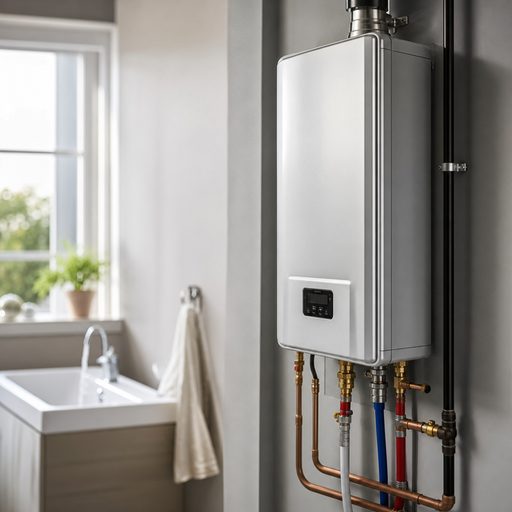
Do Tankless Water Heaters Provide Instant Hot Water?
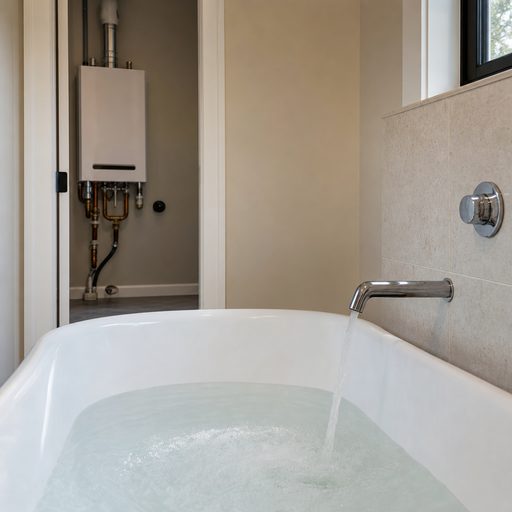
Can a Tankless Water Heater Fill a Bathtub?
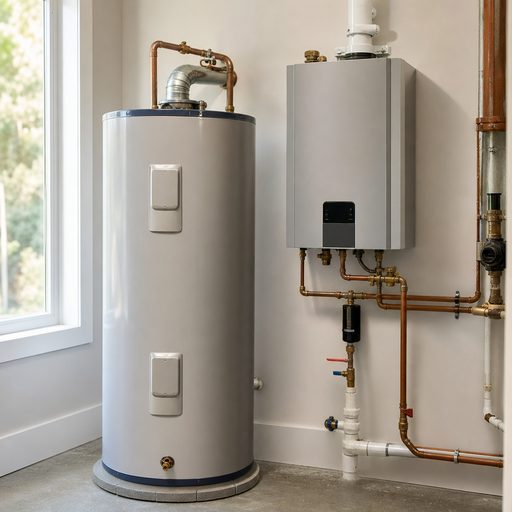
What Size Water Heater Do I Need?
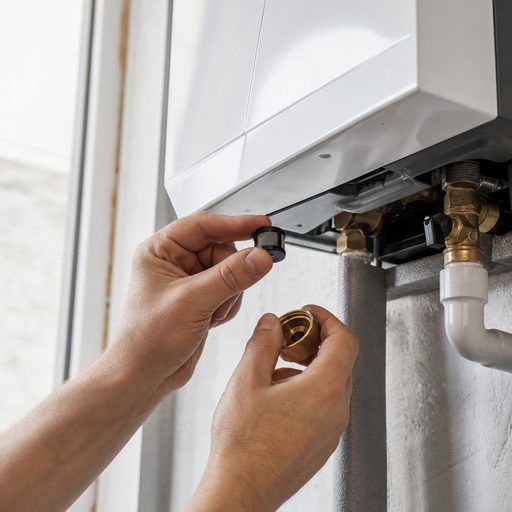
Tankless Water Heater Maintenance and Descaling
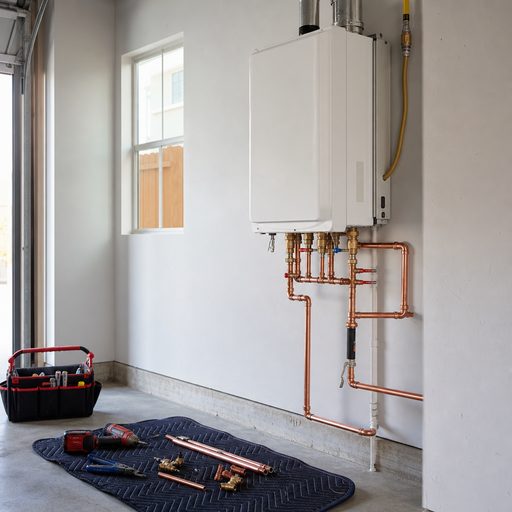
What to Expect During a Tankless Water Heater Installation
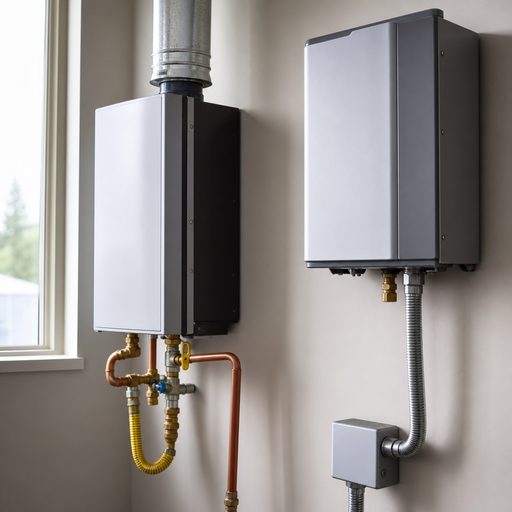
Gas vs. Electric Tankless Water Heaters: What Your Home Needs
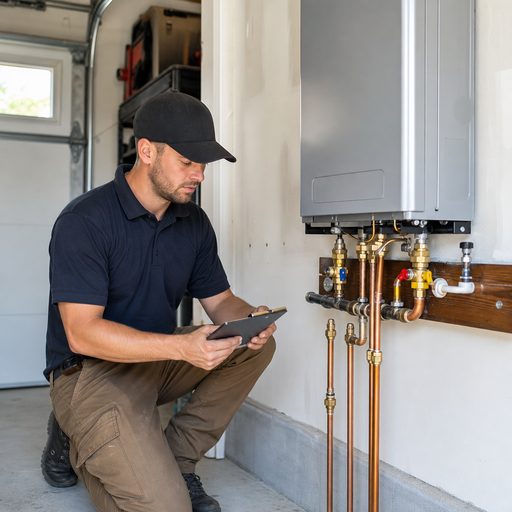
How Much Does Tankless Water Heater Installation Cost?
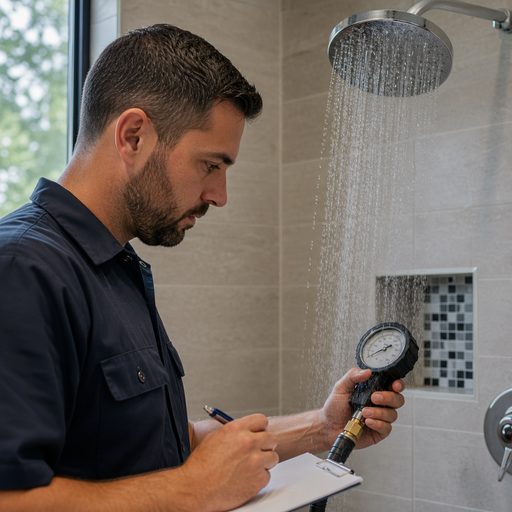
How to Size a Tankless Water Heater: Flow Rate and Temperature Rise
Is a Tankless Water Heater Worth It? Benefits and Drawbacks
Need Plumbing Help Now?
Call Plumbing Advisors to connect with help for leaks, drains, water heaters, sewer lines, burst pipes, toilets, faucets, and more.
No-obligation request · Availability varies by location and provider