
Tankless Water Heater Installation
Tankless Water Heater Installation in Oregon
Tankless Water Heater Installation across Oregon begins with the same useful question: Confirm peak hot-water flow, temperature rise, utility capacity, venting, and service access before selecting tankless equipment. State context can guide credential and permit checks, but it cannot diagnose a specific property.
Plumbing Advisors provides guidance and connection assistance. Independent providers perform the plumbing work and confirm availability, pricing, timing, and credentials.
On this pageOverview
 Plumbing Advisors Editorial TeamEditorial StandardsSource-Checked
Tankless Water Heater Installation across Oregon
Tankless Water Heater Installation across Oregon begins with the same useful question: Confirm peak hot-water flow, temperature rise, utility capacity, venting, and service access before selecting tankless equipment. State context can guide credential and permit checks, but it cannot diagnose a specific property.
Tankless installation may require gas, electrical, venting, condensate, water-treatment, and permit work by qualified trades.
When tankless installation may fit
- You want continuous hot water that does not run out mid-shower
- You are replacing a failed tank and want to upgrade
- You need to reclaim the floor space a tank takes up
- Your household runs several hot water fixtures at once
- You are after a more efficient way to make hot water
Causes or scope drivers to inspect
- A storage tank that has failed or reached the end of its life
- Frustration with running out of hot water under heavy use
- Limited space that a bulky tank takes up
- A desire to lower standby energy loss from a tank
- A remodel or new fixtures increasing hot water demand
Comparing a tankless installation quote
For tankless installation in Oregon, compare itemized quotes for the same inspected scope. Access, testing, equipment or parts, permits, restoration, and urgency can affect the final price.
Typical tankless installation costs
| System | Typical installed cost |
|---|---|
| Electric tankless water heater, installed | $1,050–$3,700 per unit |
| Gas tankless water heater, installed | $2,300–$6,350 per unit |
Labor costs
| Labor | Typical cost range |
|---|---|
| Labor to install the unit | $730–$2,600 per unit |
Additional project costs
| Additional work | Typical cost range |
|---|---|
| New or upgraded gas line | $430–$2,100 |
| Annual descaling / maintenance | $110–$340 |
Additional per-item costs
| Additional item | Typical cost range |
|---|---|
| Electrical upgrade for an electric unit | $530–$3,000 per unit |
Cost ranges are estimates developed from standardized project scopes and reviewed pricing inputs. Government labor and regional cost data are used where applicable. See our Pricing Methodology for the exact sources, calculations, and review date. Actual prices vary by property, scope, materials or equipment, location, and provider.
What affects the cost
- Whether the unit is gas or electric and its flow-rate capacity
- Venting requirements for a gas model
- Gas-line sizing for the unit's burner demand
- Electrical capacity needed for an electric model
- Permit and code requirements in your city, county, or state
- How difficult the install location is to access
- Local labor rates in your area
State guidance for Oregon
For tankless installation in Oregon, prepare gas or electrical capacity, vent route, condensate, isolation valves, maintenance clearance, and approvals. Confirm the inspected scope, credentials, permits, inspections, exclusions, and restoration responsibility before authorizing work.
Credential verification
Plumbing in Oregon is regulated by the Building Codes Division (BCD), part of the Department of Consumer and Business Services, with help from the State Plumbing Board. For most plumbing work you should hire a state-licensed plumbing contractor and individual licensee, and you can confirm a license through the BCD's license holder search.
BCD issues individual plumbing licenses (such as apprentice, journeyman, and plumbing contractor levels) as well as business contractor licenses, plus limited specialty plumbing licenses for narrower work. It is fair to ask which license a plumber holds and to verify it before work begins.
Permits and inspections
Building and plumbing permits in Oregon are issued by local building departments, not the state, so requirements and fees vary by city and county. The person doing the work — homeowner or contractor — is responsible for pulling the permit, and BCD's Minor Label Program lets contractors handle certain minor installations (like water heater replacements) through a streamlined label in place of a full permit. Some ordinary minor repairs are exempt, so always check your local building department first.
Relevant water context
Water hardness in Oregon varies widely by source. Portland's Bull Run supply is very soft (often only a few parts per million), while groundwater and many communities in the Willamette Valley and eastern Oregon are moderately hard, where mineral-rich geology raises hardness. Harder water leaves scale that can shorten water heater and fixture life over time.
What to expect
- 1Review your hot water demand, fuel source, and space
- 2Choose gas or electric and size the unit by flow rate
- 3Connect with a plumbing professional that services your area
- 4Have any venting, gas, or electrical upgrades planned
- 5Install, connect, and vent the tankless unit to code
- 6Test for safe operation and steady hot water across fixtures
Safe checks before the visit
- Estimate how many hot water fixtures you run at the same time
- Note whether your home has gas or you would use electric
- Check the space available and a route for new venting
- Consider how cold your incoming water gets in winter
- Gather details on your current unit, fuel source, and panel
Tankless Installation by city in Oregon
Tankless Water Heater Installation in Oregon: FAQs
How do I prepare for tankless installation in Oregon?
Document which hot-water fixtures may run together and what temperature rise the equipment must deliver and prepare gas or electrical capacity, vent route, condensate, isolation valves, maintenance clearance, and approvals. Ask the professional to confirm the inspected scope, credential, permit responsibility, and exclusions in writing.
Does Oregon guidance diagnose my tankless installation problem?
No. State information helps with credential, permit, and planning questions. The cause, responsibility, and repair or project scope still need to be confirmed for the specific property.
What are the main benefits and tradeoffs of going tankless?
Tankless units provide continuous hot water, take up far less space, and avoid the standby energy loss of keeping a tank hot. The tradeoffs are a higher upfront cost, sizing that must match how much hot water you use at once, and installs that often need new venting or a gas-line or electrical upgrade.
Should I get a gas or electric tankless water heater?
Gas units generally deliver higher flow rates and suit whole-home use, but often need a larger gas line and dedicated venting. Electric units are simpler to vent and good for smaller demand, but may require added electrical capacity. The right choice depends on your demand, your existing service, and your home, which a professional can assess.
How is a tankless water heater sized?
Tankless sizing is based on flow rate, measured in gallons per minute, and on how much the unit must raise your incoming water temperature. A professional adds up the fixtures you might run at once and accounts for colder incoming water in winter, so the unit keeps up without falling short.
Does a tankless install usually need venting or gas-line changes?
Often, yes, for gas models. A gas tankless unit typically needs dedicated venting and may require a larger gas line to supply its higher burner demand, while an electric model may need added electrical capacity instead. A local professional will confirm what your home needs and what code requires.
Do tankless water heaters need maintenance?
Yes. Periodic descaling, often once a year, helps clear mineral buildup from the heat exchanger, especially in hard-water areas, and keeping the inlet filter clean supports performance. Regular maintenance helps protect efficiency and the unit's lifespan.
Sources
These public and primary references support the state, safety, credential, permit, equipment, or efficiency guidance used here. They do not diagnose a specific property.
- U.S. Department of Energy - Home energy checklist
- U.S. Department of Energy - Water heating
- CDC - Returning home after a natural disaster
- Oregon Building Codes Division — individual and contractor licenses
- Oregon Building Codes Division — State Plumbing Board
- Oregon Building Codes Division — about residential building permits (local departments)
- City of Portland — 2025 Drinking Water Quality Report (Bull Run hardness)
Tankless Water Heater Installation guides
Learn before planning tankless installation in Oregon.
Read related problem, scope, cost, and planning guidance before comparing options.
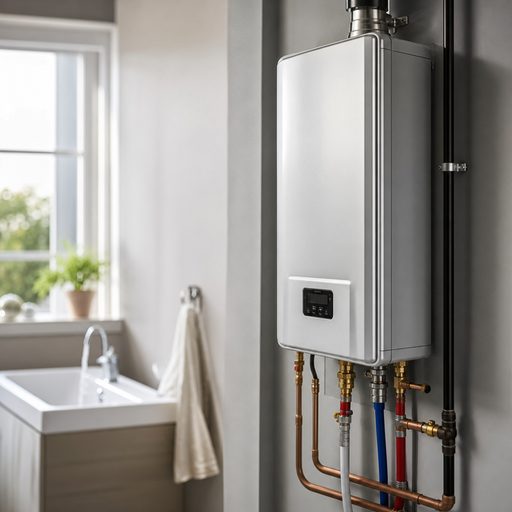
Do Tankless Water Heaters Provide Instant Hot Water?
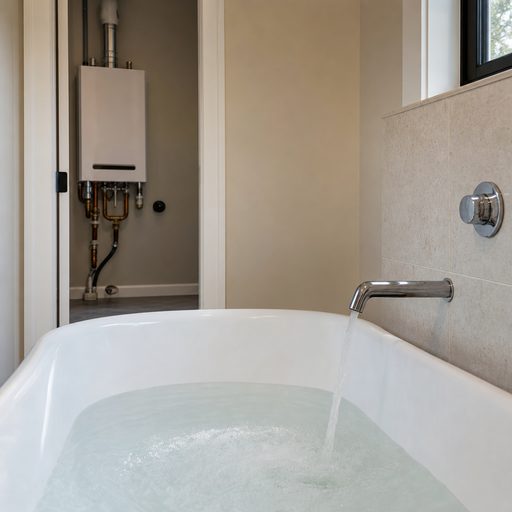
Can a Tankless Water Heater Fill a Bathtub?
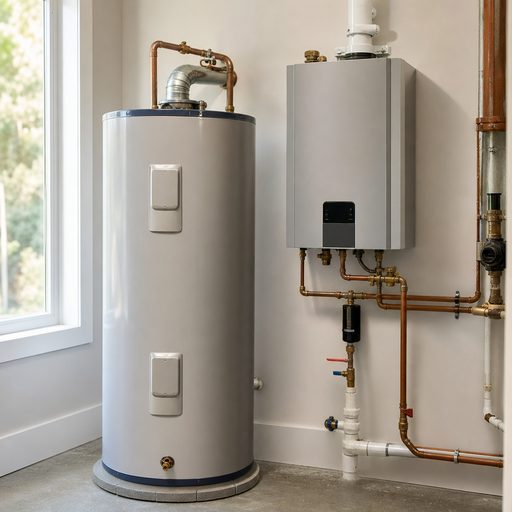
What Size Water Heater Do I Need?
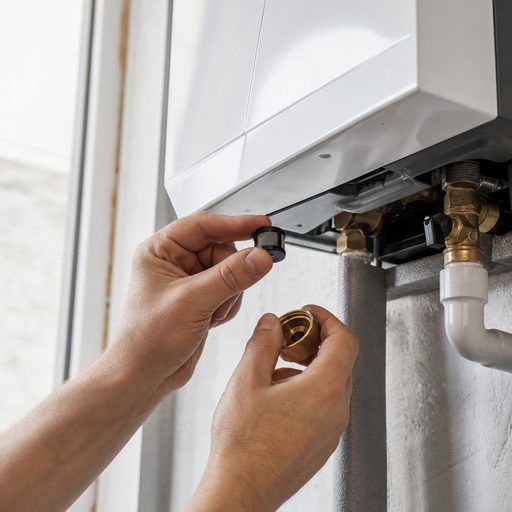
Tankless Water Heater Maintenance and Descaling
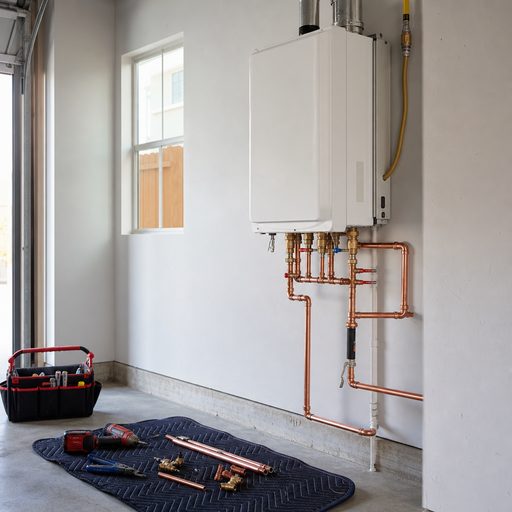
What to Expect During a Tankless Water Heater Installation
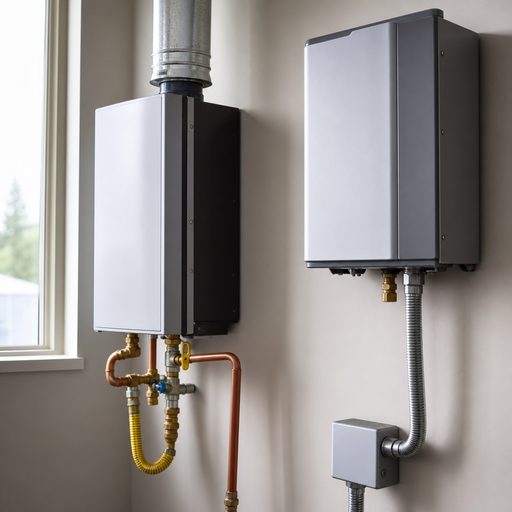
Gas vs. Electric Tankless Water Heaters: What Your Home Needs
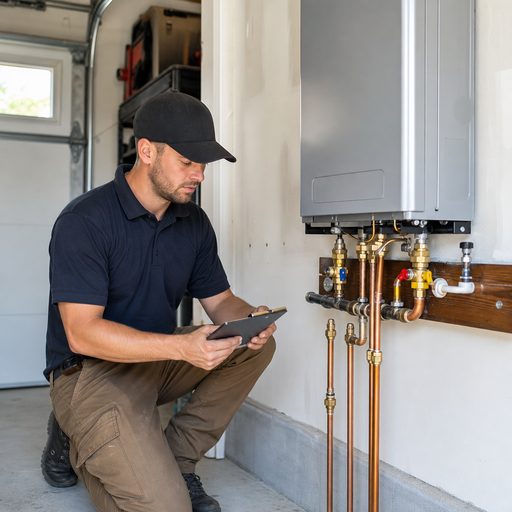
How Much Does Tankless Water Heater Installation Cost?
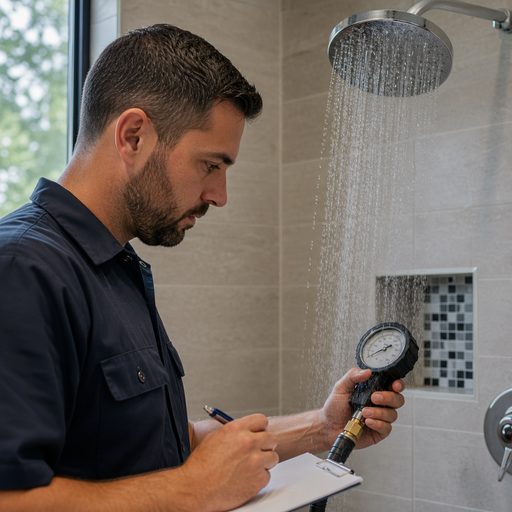
How to Size a Tankless Water Heater: Flow Rate and Temperature Rise
Is a Tankless Water Heater Worth It? Benefits and Drawbacks
Need Plumbing Help Now?
Call Plumbing Advisors to connect with help for leaks, drains, water heaters, sewer lines, burst pipes, toilets, faucets, and more.
No-obligation request · Availability varies by location and provider