
Sump Pump Installation
Sump Pump Installation in Massachusetts
Homeowners comparing sump pump installation in Massachusetts should first define when water enters, how quickly the basin fills, and where a lawful discharge can terminate. Use the state guidance on this page to verify the business and planning process, then rely on an on-site inspection for the recommendation.
Plumbing Advisors provides guidance and connection assistance. Independent providers perform the plumbing work and confirm availability, pricing, timing, and credentials.
On this pageOverview
 Plumbing Advisors Editorial TeamEditorial StandardsSource-Checked
Sump Pump Installation across Massachusetts
Homeowners comparing sump pump installation in Massachusetts should first define when water enters, how quickly the basin fills, and where a lawful discharge can terminate. Use the state guidance on this page to verify the business and planning process, then rely on an on-site inspection for the recommendation.
A sump pump should not be used to conceal an unknown water source or discharge where local rules prohibit it.
When sump pump installation may fit
- Your basement floods or stays damp after rain
- There is no pump and the water table is high
- You are finishing a basement and want protection
- An old pump has failed and needs replacing
Causes or scope drivers to inspect
- A high water table around the foundation
- Heavy or frequent rain that pools at the basement
- Poor grading or drainage near the house
- Finishing a basement that needs to stay dry
- An aging pump that can no longer keep up
Comparing a sump pump installation quote
For sump pump installation in Massachusetts, compare itemized quotes for the same inspected scope. Access, testing, equipment or parts, permits, restoration, and urgency can affect the final price.
Typical sump pump installation costs
| Project | Typical cost range |
|---|---|
| Discharge line and check valve | $150–$630 |
| Battery backup system, installed | $500–$1,600 |
Additional project costs
| Additional work | Typical cost range |
|---|---|
| Adding an outlet or wiring | $175–$750 |
Additional per-item costs
| Additional item | Typical cost range |
|---|---|
| Pedestal pump (unit only) | $95–$290 per unit |
| Submersible pump (unit only) | $150–$480 per unit |
Cost ranges are estimates developed from standardized project scopes and reviewed pricing inputs. Government labor and regional cost data are used where applicable. See our Pricing Methodology for the exact sources, calculations, and review date. Actual prices vary by property, scope, materials or equipment, location, and provider.
What affects the cost
- Whether a pit already exists or one must be dug into the floor
- Pump type and capacity (pedestal vs. submersible, sized to the water volume)
- Whether a primary, backup, or combination system is installed
- The length and routing of the discharge line and the check valve
- Whether an outlet or new wiring is needed, which a qualified pro handles
State guidance for Massachusetts
For sump pump installation in Massachusetts, prepare basin size, pump duty, dedicated power, alarm, backup, check valve, discharge route, and approvals. Confirm the inspected scope, credentials, permits, inspections, exclusions, and restoration responsibility before authorizing work.
Credential verification
Plumbing is regulated statewide by the Board of State Examiners of Plumbers and Gas Fitters, which examines and licenses plumbers and gas fitters and registers apprentices. For most plumbing work you should hire a state-licensed plumber rather than relying on local-only credentials.
The Board registers Apprentices and issues Journeyman and Master plumber licenses, with parallel tiers for gas fitters. Licensed plumbers also work under the statewide Uniform State Plumbing Code (248 CMR 10.00), so it is fair to confirm the license level of whoever does your work.
Permits and inspections
Plumbing work in Massachusetts generally requires a permit, and under the state code (248 CMR 3.05) permit applications are submitted to the local plumbing inspector appointed by each city or town, who grants or denies the permit and performs the inspection. Permits are issued to properly licensed plumbers, not to apprentices, and exact fees and procedures vary by municipality. Always check with your local building or plumbing inspection department first.
What to expect
- 1Note your flooding history and where water collects
- 2Choose submersible or pedestal and the right capacity
- 3Connect with a plumbing professional that services your area
- 4Have the pit, pump, and discharge route planned
- 5Install the pump, discharge line, and check valve
- 6Test the float and pump cycle and confirm discharge
Safe checks before the visit
- Note where and how often water shows up in the basement
- Look for an existing pit or a low spot where water collects
- Check whether a grounded outlet is nearby
- Keep clear of standing water near any electrical outlet
Sump Pump Installation by city in Massachusetts
Related plumbing problems
Sump Pump Installation in Massachusetts: FAQs
How do I prepare for sump pump installation in Massachusetts?
Document when water enters, how quickly the basin fills, and where a lawful discharge can terminate and prepare basin size, pump duty, dedicated power, alarm, backup, check valve, discharge route, and approvals. Ask the professional to confirm the inspected scope, credential, permit responsibility, and exclusions in writing.
Does Massachusetts guidance diagnose my sump pump installation problem?
No. State information helps with credential, permit, and planning questions. The cause, responsibility, and repair or project scope still need to be confirmed for the specific property.
Do I really need a sump pump?
If your basement floods, stays damp after storms, or sits below a high water table, a sump pump is the standard way to keep it dry. Homes on low ground or with a history of seepage benefit most. A pro can confirm whether your situation calls for one.
What is the difference between a submersible and a pedestal pump?
A submersible pump sits down in the pit underwater, runs quieter, and is usually more powerful, which suits busier pits and finished basements. A pedestal pump keeps its motor up on a shaft above the water, costs less, and is easier to service, but it is louder and typically moves less water.
What size sump pump do I need?
Sizing is based on how much water your pit takes on and how high it has to be pumped. Many homes do fine with a 1/3 HP pump, while wetter basements or longer discharge runs call for 1/2 HP or more. An installer can size it to your pit rather than guessing.
Should I add a battery backup?
A battery backup keeps the pump running during power outages, which often happen during the very storms that cause flooding. It is a separate system added alongside the main pump. Whether you need one depends on your flood risk and how much the basement matters to you.
Sources
These public and primary references support the state, safety, credential, permit, equipment, or efficiency guidance used here. They do not diagnose a specific property.
Sump Pump Installation guides
Learn before planning sump pump installation in Massachusetts.
Read related problem, scope, cost, and planning guidance before comparing options.
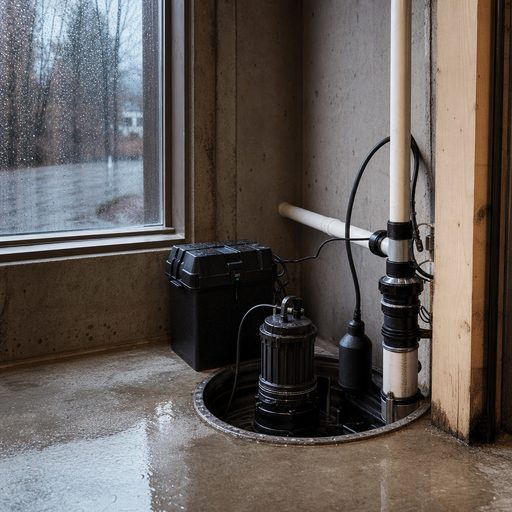
Do I Need a Battery Backup Sump Pump?
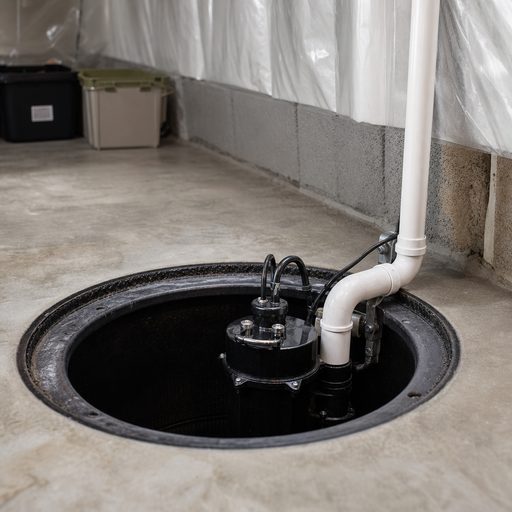
How Long Do Sump Pumps Last?
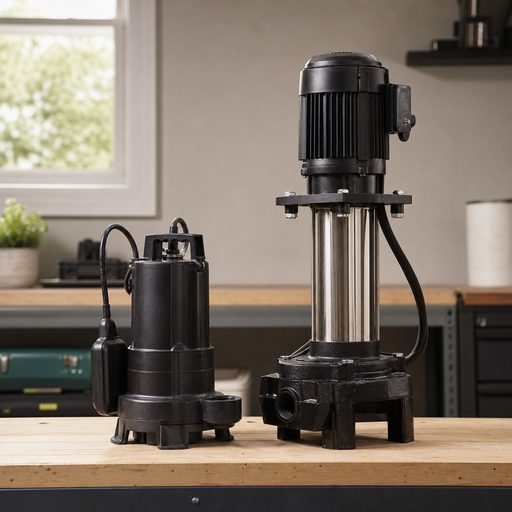
Submersible vs. Pedestal Sump Pumps
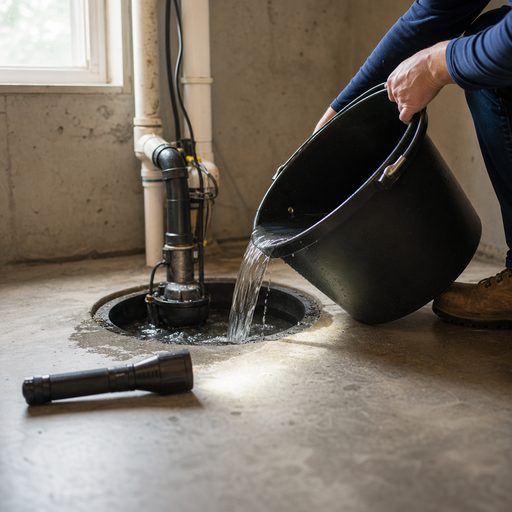
Sump Pump Maintenance Checklist
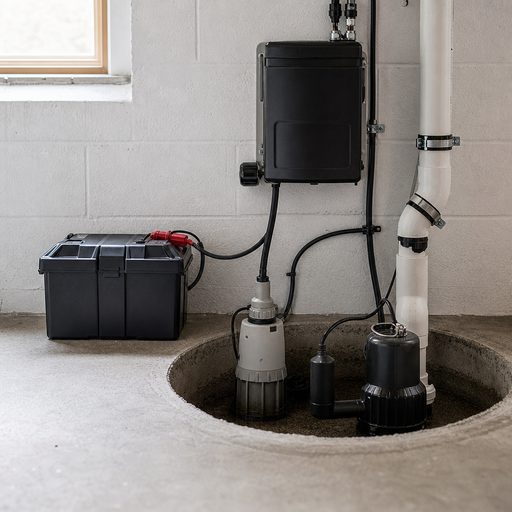
Should You Add a Battery Backup Sump Pump?
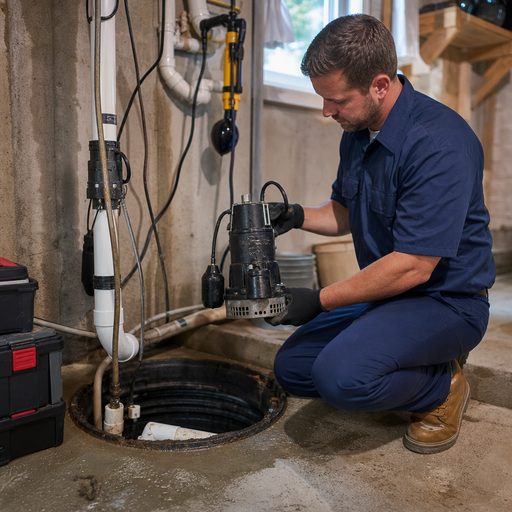
How Much Does Sump Pump Repair Cost?
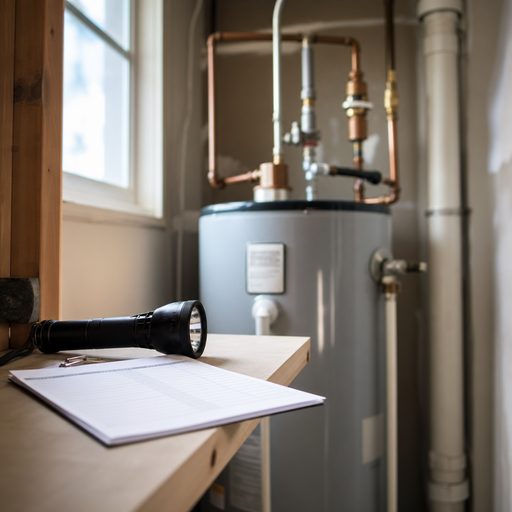
How Often Should Your Home's Plumbing Be Inspected?
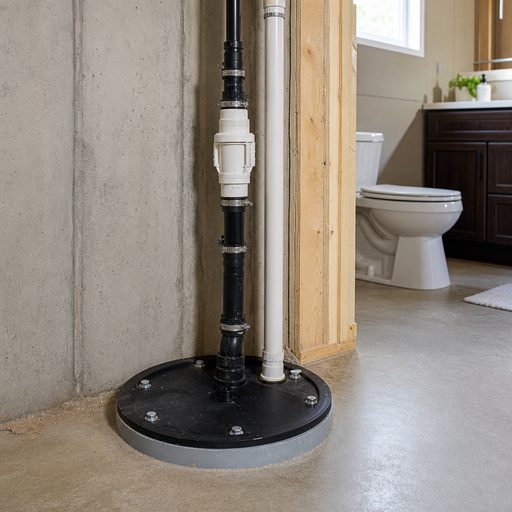
What Does a Sewer Ejector Pump Do (and When Do You Need One)?
What Is Polybutylene Pipe and Should You Replace It?
Need Plumbing Help Now?
Call Plumbing Advisors to connect with help for leaks, drains, water heaters, sewer lines, burst pipes, toilets, faucets, and more.
No-obligation request · Availability varies by location and provider