 Plumbing Advisors Editorial TeamEditorial StandardsUpdated July 5, 2026Source-Checked
Most sump pumps last about 5 to 15 years, depending on the type, how often they run, and how much grit or silt the pit collects. Submersible pumps usually fall on the shorter end, while pedestal pumps often last longer. If your pump protects a finished basement, replacing it before failure is often the safer choice.
What is the typical lifespan of a sump pump?
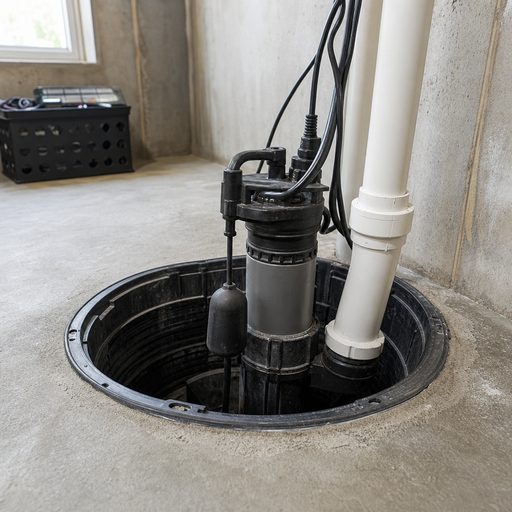
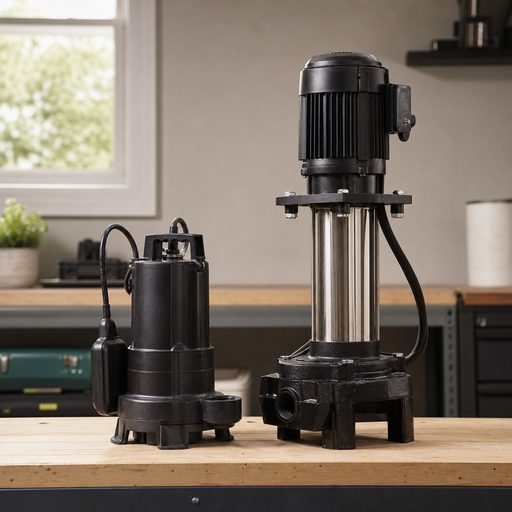
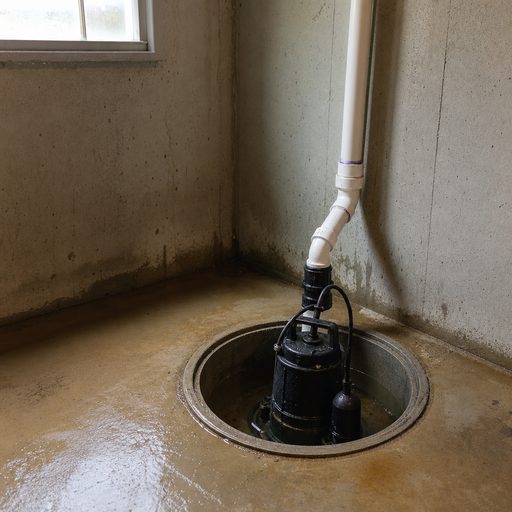
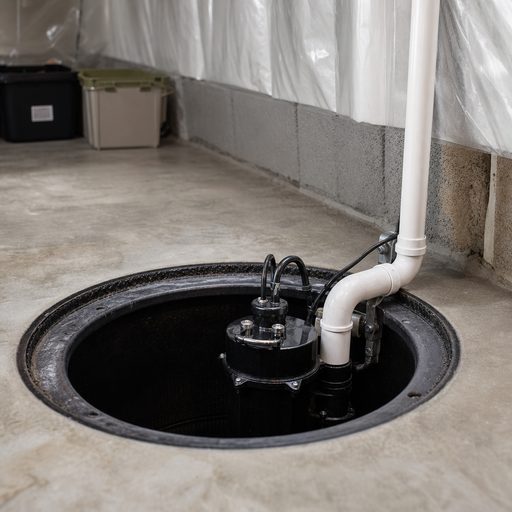
A sump pump’s life depends first on its design. Submersible sump pumps sit down in the pit under the cover, so they work in a harsher environment and commonly wear out sooner. Pedestal pumps keep the motor above the pit, which can help them last longer when conditions are otherwise similar. That is one reason homeowners comparing models often also read Submersible vs. Pedestal Sump Pumps before replacing an older unit.
Age alone does not tell the whole story. A pump that runs only during occasional storms can outlast one that cycles often through wet seasons or high groundwater. A newer pump in a dirty pit may also fail sooner than an older pump in a clean, dry setup. For most homes, the practical question is not just how long the pump can last, but how much risk you are willing to accept if it stops unexpectedly.
What makes a sump pump wear out faster?
Run frequency is one of the biggest factors. Every cycle puts wear on the motor and switch. Homes with high groundwater, poor exterior drainage, or frequent heavy rain can put much more demand on the pump than homes where the pit fills only occasionally. Short cycling can also be hard on the system, especially when the pump turns on and off too often because of a switch issue, pit size problem, or discharge setup that lets water flow back in.
Sediment matters just as much. Sand, grit, and silt can wear down moving parts and interfere with the switch. Check valves that do not hold properly can increase cycling, and discharge lines that freeze or clog can strain the pump. The float switch is often the first part to fail, especially in pits where debris builds up or the float gets hung up on the basin wall, pipe, or power cord.
- Frequent cycling during wet weather or high groundwater
- Silt, sand, or debris collecting in the sump pit
- A float switch that sticks, tangles, or fails to activate
- A discharge line that is clogged, frozen, or routed poorly
- An undersized pump working harder than the home needs
- Lack of routine testing and cleaning around the basin
How can you tell when a sump pump is near the end?
Warning signs usually show up before complete failure. You may hear louder motor noise, notice the pump running longer than usual, or see it cycling on and off too often. Some pumps hum without moving water, which can point to a jammed impeller or motor trouble. Rust staining, visible corrosion, vibration, or a float that does not move freely are also reasons to pay attention.
Performance changes are especially important after storms. If the pit stays unusually full, the pump struggles to keep up, or the backup system starts doing more of the work, the main pump may be wearing out. If you are already seeing symptoms, Sump Pump Failure: Signs and What to Do can help you understand what is urgent and what a plumber should inspect. For a pump that is still salvageable, Sump Pump Repair may make sense, but repeated problems on an older unit often point toward replacement.
Test your sump pump at least once a year
Pour water into the pit slowly until the float rises and the pump turns on. Make sure it discharges properly and shuts off normally. If the float sticks, the pump sounds rough, or water drains back into the pit, schedule an inspection before the next heavy rain.
Should you replace a sump pump before it fails?
In many homes, yes. A sump pump is one of those appliances where waiting for total failure can create a much bigger problem than the pump itself. If it protects a finished basement, stored belongings, or mechanical equipment, proactive replacement is often the smarter move once the unit is older and showing wear. Even if the pump still runs, its reliability may not be what it once was, especially after years of storm cycles.
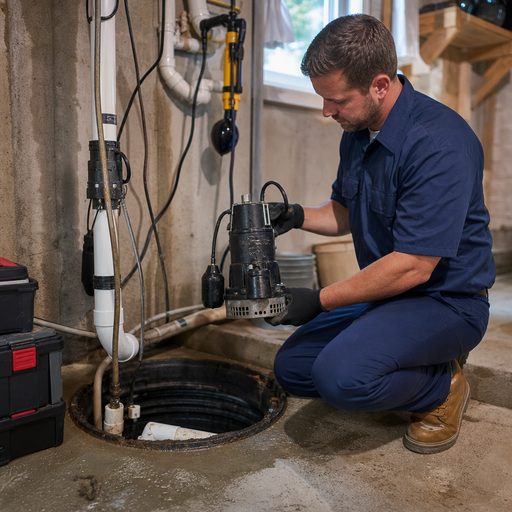
That does not mean every older pump needs immediate replacement. A plumber can look at age, condition, switch operation, discharge performance, and pit cleanliness to help you decide. If replacement is the better path, Sump Pump Installation is the service to ask about. If you are also planning ahead for the budget side, the related guide How Much Does Sump Pump Repair Cost? can help you compare the factors that influence repair versus replacement decisions without waiting for an emergency.
What maintenance helps a sump pump last longer?
Regular inspection goes a long way. Keeping the pit free of loose debris helps the float move properly and reduces wear on the pump. Make sure the cover fits well, the power cord is secure, and the outlet is reliable. The discharge line should carry water away from the foundation and remain open so water does not flow back toward the house. During cold weather, exterior discharge issues deserve extra attention because freezing can stop the system from working when you need it most.
Is it normal for a sump pump to run every time it rains?
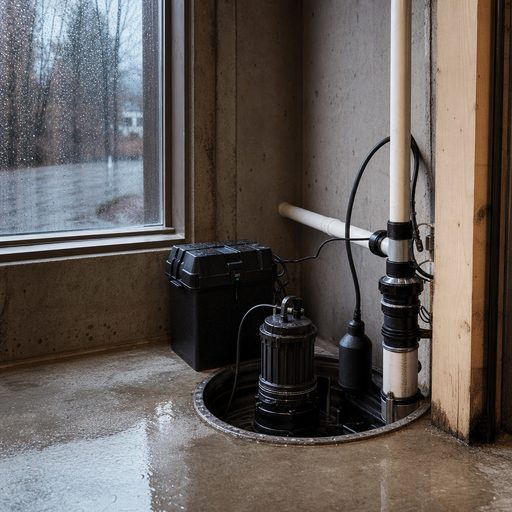
Often, yes. In homes with high groundwater or heavy runoff near the foundation, a sump pump may cycle whenever rain raises water around the pit. What matters is whether it runs normally, clears the pit, and shuts off correctly. Constant running, rapid on-off cycling, or failure to lower the water level should be checked.
Which lasts longer, a submersible or pedestal sump pump?
Pedestal sump pumps often last longer because the motor sits above the pit instead of in it. Submersible pumps are quieter and more compact, but they work in a tougher environment. The better choice depends on your pit size, noise concerns, moisture conditions, and how much pumping your home typically needs during storms.
What part of a sump pump usually fails first?
The float switch is one of the most common failure points. It can stick, tangle, or simply wear out after years of cycling. Debris in the pit often makes switch problems worse. A pump motor can also fail, but when an older unit stops responding, the switch is frequently one of the first things a plumber will inspect.
Do I need a backup if my main sump pump is still working?
A backup is worth considering when water intrusion would cause serious damage or when storms in your area often bring power outages. Even a working main pump can be overwhelmed, lose power, or fail without much warning. Homes with finished basements or valuable storage below grade usually benefit most from having backup protection in place.
Sources and further reading
These references support material safety, technical, consumer, or planning guidance in this article. Confirm property-specific requirements with the applicable authority and professional.