 Plumbing Advisors Editorial TeamEditorial StandardsUpdated May 12, 2026Source-Checked
A sump pump is one of the few systems in a home that you genuinely hope never has to prove itself, which is exactly why it gets neglected. A pump that has sat untouched for a year may have a stuck float, a clogged intake, or a discharge line you have not looked at since you moved in, and none of that shows up until water is rising. A short, regular maintenance routine changes the odds entirely. The checklist below covers safe homeowner steps that catch the common problems early, so the pump is ready when the next storm asks it to work.
Test the Pump Regularly
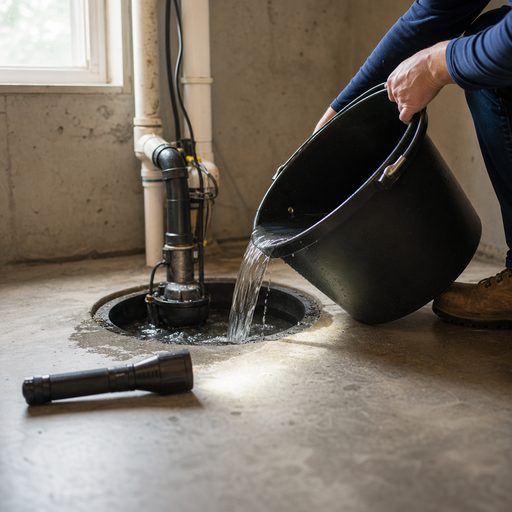
The single most valuable habit is to test the pump the way nature would, several times a year and before any season of heavy weather. Pour a bucket of water into the pit and watch the entire cycle. The float should rise, the pump should switch on, pull the water down, and shut itself off cleanly without short-cycling or running on after the pit is empty. A pump that hesitates, runs rough, or fails to start has just told you something important while there is still time to act on it.
- Pour a bucket of water into the pit and confirm the pump turns on, drains the pit, and shuts off on its own.
- Listen for grinding, rattling, or loud humming, which can point to a worn motor or jammed impeller.
- Watch that the float moves freely and is not stuck against the pit wall or tangled in the power cord.
- Confirm the pump does not run constantly or cycle on and off rapidly when there has been little water.
- If you have a battery backup, test that it takes over and that the battery is charged and within its service life.
Keep the Pit and Discharge Clear
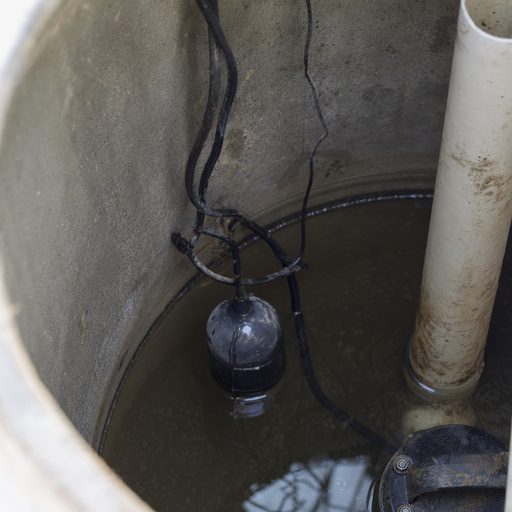
Much of what makes a pump fail is simply debris and neglect around it. Over time, dirt and sediment settle in the pit and can jam the impeller or block the intake screen, while the discharge line outside can clog, freeze, or end up pointed back toward the foundation. Clearing these is straightforward and safe, and it removes some of the most common reasons a pump cannot do its job. Make a habit of checking both the pit and where the water actually goes once it leaves the house.
- Remove visible debris, gravel, and sludge from the pit so nothing can jam the pump or block the intake.
- Check that the intake screen is clear and not caked with sediment.
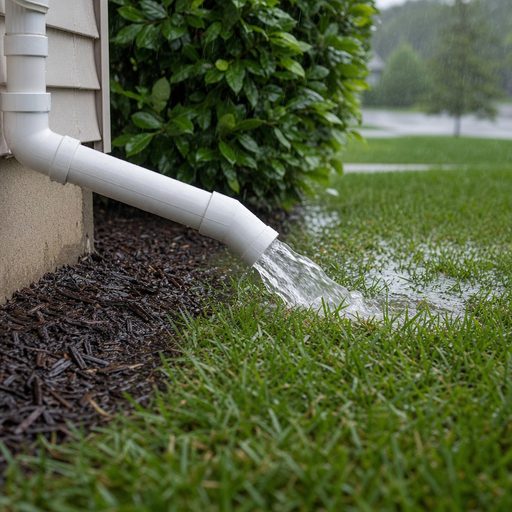
- Walk outside and confirm the discharge line is clear, not frozen, and directs water well away from the foundation.
- Inspect the check valve area for leaks or signs that water is flowing back into the pit after the pump shuts off.
- Look the pump and pit over for rust, corrosion, or oily film on the water, which can signal wear.
Cut power before reaching into the pit
Before you clear debris or handle anything in the pit, unplug the pump or switch off its circuit so it cannot start while your hands are inside. Standing water and electricity are a deadly combination, so if the pit or surrounding floor is flooded, do not reach in at all; cut power only if you can do so without standing in water, and otherwise call a professional.
Know the Limits of DIY Maintenance
Testing, cleaning, and visual inspection are well within what a homeowner can safely do, and doing them regularly prevents many failures. What is not a do-it-yourself job is opening up the pump, rewiring its circuit, or trying to rebuild the motor or impeller. If your safe checks turn up grinding noises, a breaker that trips, a pump that will not start, or signs of internal wear, the right next step is a professional rather than a teardown on the basement floor. Good maintenance is about catching problems early and handing the harder ones to someone equipped to fix them.
When to Call a Professional
When your maintenance routine turns up a pump that fails the bucket test, runs rough, or trips a breaker, sump pump repair can diagnose the failing part and restore reliable protection, and where a pump is worn out or undersized, sump pump installation can fit a properly sized replacement. To recognize what your checks are pointing to, see our guide on why sump pumps fail, and to time everything around the weather, our guide on getting your sump pump ready for storm season pulls the seasonal steps together.
Sources and further reading
These references support material safety, technical, consumer, or planning guidance in this article. Confirm property-specific requirements with the applicable authority and professional.