 Plumbing Advisors Editorial TeamEditorial StandardsUpdated July 5, 2026Source-Checked
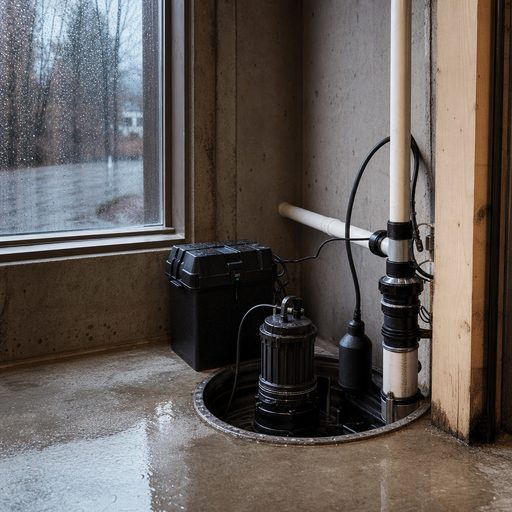
Yes, a battery backup sump pump is worth it for many homes because the worst basement flooding often happens during storms that also knock out power. If your primary sump pump protects a finished basement, valuable storage, or a frequently wet pit, a backup adds a second layer of protection when the main pump or electricity fails.
Why do homeowners add a battery backup sump pump?
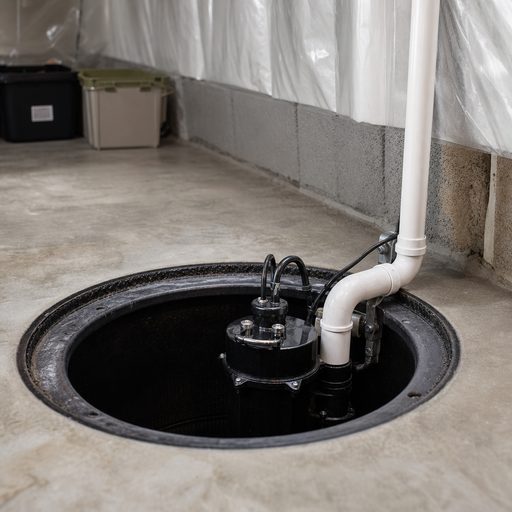
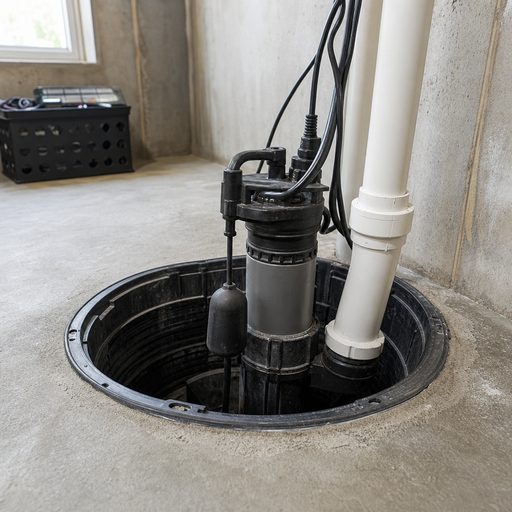
A standard sump pump depends on two things working at the same time: the pump itself and household power. During heavy rain, that is exactly when both are under the most stress. A clogged discharge line, stuck float switch, failed motor, or outage can leave water rising in the pit with nowhere to go. A battery backup system is designed for that moment. It turns on when the primary pump cannot keep up or when the electricity goes out.
That matters most in homes where basement water would damage flooring, drywall, furniture, stored items, or mechanical equipment. Even in unfinished basements, repeated water intrusion can affect framing, insulation, and air quality. If you have already needed Sump Pump Repair, or you have read Sump Pump Failure: Signs and What to Do because your pump has acted unreliable, a backup becomes easier to justify.
When is a battery backup sump pump most worth it?
Battery backup is most worthwhile when your sump pump runs regularly during rain or snowmelt, your area loses power during storms, or your basement holds anything you would hate to replace. It is also a smart choice if your home sits low on the lot, has a history of seepage, or relies on one pump in one pit with no redundancy. The more your home depends on that single pump, the stronger the case for backup protection.
- Your pump runs often during wet weather
- Power outages happen during storms in your area
- You have a finished or partially finished basement
- The basement stores appliances, tools, documents, or keepsakes
- Your pit has one aging primary pump and no secondary protection
- Your home has had water intrusion before
It can be less essential in a home where the pit rarely fills, the basement is unfinished and mostly empty, and the consequences of a pump failure are minor. Even then, “not essential” is not the same as “useless.” The question is really about risk tolerance: how much trouble would a few hours of uncontrolled water cause compared with the inconvenience of maintaining a backup system?
What are the limits of battery backup systems?
A battery backup sump pump is not a magic fix for every flood situation. Most backup pumps move less water than a full-size primary pump, so they are there to buy time and reduce risk, not to outperform a strong main pump in extreme conditions. Battery life also matters. The battery itself typically lasts about 3 to 5 years before replacement is needed, and runtime during an outage depends on battery condition, pump demand, and how fast water is entering the pit.
The system still needs a proper discharge setup, a working check valve where appropriate, and enough maintenance to ensure the backup can actually start when needed. If the primary system is undersized, installed poorly, or has a blocked discharge line, adding a battery backup alone may not solve the bigger problem. In those cases, a pro may recommend Sump Pump Installation updates or a review of pump size and pit configuration.
A backup should support the whole system
The best backup setup is paired with a healthy primary pump, a clean pit, a clear discharge line, and alarm testing. A neglected sump system can still fail even with a battery unit installed.
Is a water-powered backup a better alternative?
In some homes, a water-powered backup sump pump is an alternative worth considering. These systems use municipal water pressure to create suction and remove sump water during a power outage, so they do not rely on a battery. That can be attractive if you want less battery maintenance or if outages tend to last a long time.
The catch is that they are not right for every house. They generally require adequate city water pressure and are not typically an option for homes on a private well, especially if the well pump also loses power during an outage. They also work differently from battery systems and may not be ideal in every flooding scenario. A local plumber can help you compare battery and water-powered options based on your water supply and basement conditions.
How do you decide if it is worth it for your home?
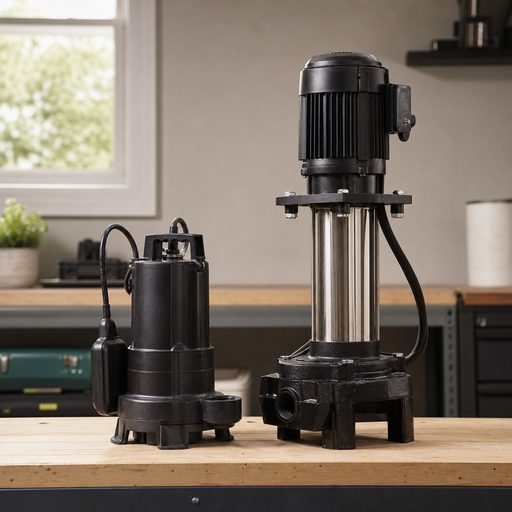
Think in terms of exposure, not just equipment. If your basement contains finished rooms, a laundry area, a water heater, a furnace, or irreplaceable storage, a backup pump often makes sense because the downside of failure is high. If your primary pump runs several times during a normal storm, that is another strong sign. Homeowners comparing systems may also want to read Submersible vs. Pedestal Sump Pumps, since pump style affects noise, pit fit, and service access.
If your sump rarely runs and the basement is unfinished with little at risk, you may reasonably decide to skip a backup for now. But that decision should be revisited after any water event, remodeling project, or pump aging issue. When cost comes up, focus on the factors that change the project: battery type, charger quality, alarm features, space in the pit, and whether the backup is added to an existing setup or installed as part of a new system.
How long does a sump pump backup battery last?
Most sump pump backup batteries last about 3 to 5 years before replacement is needed. Actual life depends on battery type, charging conditions, basement temperature, and how often the backup has to run. Many systems include alarms or indicator lights, but the battery still needs periodic testing and inspection.
Can a battery backup run the sump pump all night?
Sometimes, but it depends on how often the pump cycles, how much water is entering the pit, and the condition of the battery. In light seepage, a good battery may last much longer than in a fast-moving storm event. Backup pumps are best viewed as emergency protection, not unlimited runtime.
Does a battery backup replace the main sump pump?
No. A battery backup is a secondary pump or support system that takes over when the main pump fails or power is lost. Your primary sump pump still does the everyday work. The backup is there for outages, switch failures, or moments when extra pumping capacity is needed.
How do I know if my current sump system needs professional attention?
Warning signs include frequent cycling, unusual noise, visible rust, a musty or damp basement, standing water near the pit, or a pump that runs but does not discharge properly. If the unit is older or has already failed once, having it inspected before storm season is a practical step.
Sources and further reading
These references support material safety, technical, consumer, or planning guidance in this article. Confirm property-specific requirements with the applicable authority and professional.
- U.S. EPA WaterSense - Home maintenance
- U.S. EPA WaterSense - Fix a Leak Week
- U.S. Department of Energy - Water heating
- U.S. Department of Energy - Water-heater selection guide
- FEMA - Urban flooding guidance for homeowners and renters
- Ready.gov - Flood safety
- Federal Trade Commission - Avoiding home-improvement scams