 Plumbing Advisors Editorial TeamEditorial StandardsUpdated May 18, 2026Source-Checked
A standard sump pump has one quiet weakness: it runs on household power, and the storms that send the most water into your pit are also the ones most likely to knock out the electricity. A battery backup sump pump closes that gap by keeping the system working when the main pump loses power or simply cannot keep up. Deciding whether to add one comes down to how much risk a flooded basement poses for your home and how often heavy weather and outages overlap where you live. For many homeowners, it is one of the most cost-effective forms of protection they can add.
How a Battery Backup Works
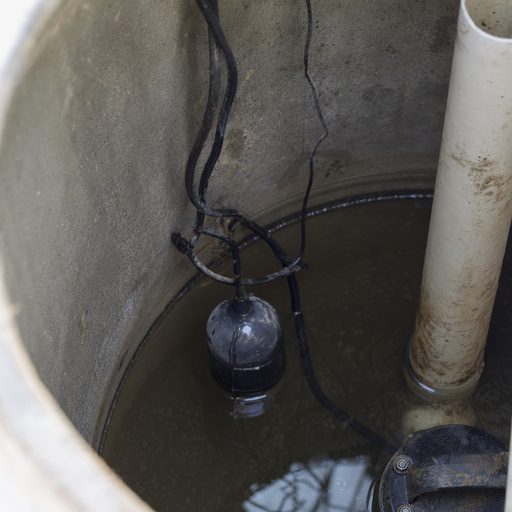
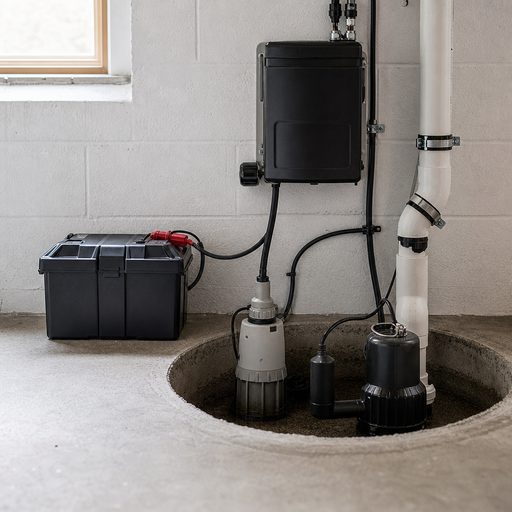
A battery backup system is essentially a second, independent pump that sits in the same pit as your primary unit and draws on a dedicated battery rather than the wall outlet. Under normal conditions the main pump does all the work and the backup stays idle, keeping its battery charged. When the power fails, or when water rises faster than the main pump can handle, the backup kicks in automatically and keeps the pit from overflowing. How long it can run depends on the size of the battery and how hard it has to work, but the point is to carry you through the critical window of an outage or a surge of water rather than to run indefinitely.
Who Benefits Most
A backup is most valuable when the cost of a failure is high or the conditions that cause failures are common. If your basement is finished, stores valuables, or has flooded before, the math tends to favor a backup. The same is true if your area sees frequent storms, regular power outages, or a high water table that keeps the pump busy. The situations below are the clearest signs that a backup is worth serious consideration.
- Your area experiences frequent power outages, especially during the same storms that drive groundwater up.
- The basement is finished or stores belongings that water would ruin.
- Your main pump runs often, suggesting a high water table or heavy seasonal inflow.
- The home has flooded before, or the consequences of a flood would be severe and costly.
- You are away from home for stretches and would not be there to notice a failure in time.
A backup complements maintenance, it does not replace it
A battery backup is a safety net for the moment your main pump cannot cope, not a substitute for keeping that pump in good shape. Test both pumps periodically, keep the battery charged and within its service life, and stay on top of routine maintenance so the primary pump does its job and the backup is there only when truly needed.
What to Consider Before Installing One
Adding a backup is more involved than dropping a second pump into the pit. The system has to be sized for how much water your pit can receive, fitted with its own discharge path and check valve, and wired to a charger so the battery is ready when it is needed. The battery itself is a consumable that loses capacity over time and eventually needs replacing, so a backup is a small ongoing commitment, not a one-time install. Because the setup ties into both your plumbing and an electrical charging circuit, this is work best handled by a professional who can size the system correctly and make sure it switches over reliably.
When to Call a Professional
If a backup sounds right for your home, sump pump installation can size the system, fit the second pump and discharge, and set up the charging so the battery is ready when the power is not, while sump pump repair can also add a backup alongside fixing or replacing a tired primary pump. To understand the failures a backup is meant to guard against, see our guide on why sump pumps fail, and as bad weather approaches, our guide on getting your sump pump ready for storm season walks through the checks that make sure both pumps are prepared.
Sources and further reading
These references support material safety, technical, consumer, or planning guidance in this article. Confirm property-specific requirements with the applicable authority and professional.