 Plumbing Advisors Editorial TeamEditorial StandardsUpdated July 5, 2026Source-Checked
Choosing between a submersible and a pedestal sump pump comes down to your basement's needs, your home's construction, and your maintenance preferences. Submersible pumps sit underwater and suit demanding conditions with higher water flow, while pedestal pumps keep the motor elevated, favoring easier access and lighter use. The correct pick helps prevent flooding and minimizes service hassles—match pump type to your pit, not just price.
How Do Submersible and Pedestal Sump Pumps Work?
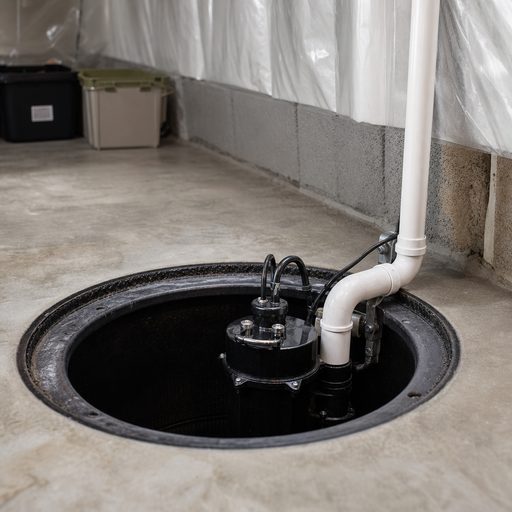
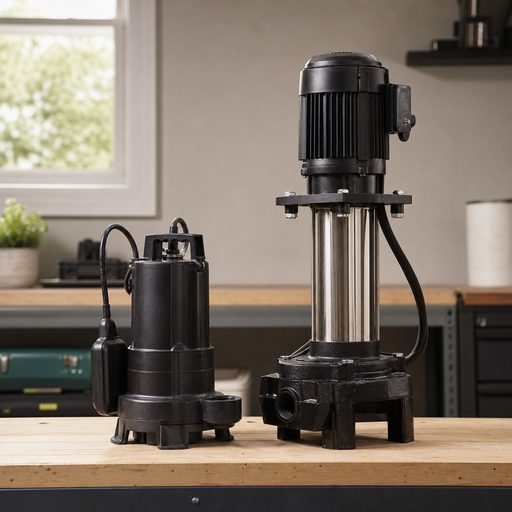
Submersible and pedestal sump pumps achieve the same goal—pumping excess water out of a sump pit—but use distinctly different designs. A submersible sump pump, like models from Zoeller, Wayne, or Liberty Pumps, has its motor and impeller in a single waterproof housing placed at the bottom of the pit. This whole unit is meant to operate fully submerged, with its sealed nature allowing it to withstand moisture and dirt while remaining relatively quiet during operation.
A pedestal sump pump, on the other hand, mounts its motor on a shaft that extends above the pit, keeping it well out of water's reach. Only the base (where the impeller sits) rests in the sump basin, while a float rod rises to the switch at the motor on top. Pedestals are easier to spot, operate, and service since the important electrical components are not submerged. This split design makes them ideal for smaller or narrower pits that may not accommodate a bulky submersible pump.
No matter the type, all sump pumps rely on core parts: a float switch (activates the pump when water rises), an impeller (the spinning part that pushes water out), and a check valve (prevents pumped water from returning). High-quality submersibles often use cast iron housings or thermoplastic for durability, while pedestal motors are positioned for easy air cooling.
Primary Advantages and Drawbacks
Each pump style offers its own set of clear benefits and limitations. Submersible pumps are known for quietness and strength. Their sealed motors run underwater, so the sump pit’s water acts as a natural sound barrier. This makes them barely audible in a finished basement environment. Submersibles are designed to handle larger water volumes, and models with robust impeller designs can tolerate small amounts of silt or debris—handy in storm-prone regions.
Component longevity also impacts the choice. A submersible’s sealed motor gives lasting performance but can be harder and costlier to replace if it fails. Common failure points include the float switch (which can seize with age), the check valve (which wears out from repeated cycling), or a blocked impeller. In a pedestal unit, motors—often made by brands like Little Giant or Superior Pump—are easily swapped or serviced, though their float arms and open intake are more vulnerable to accidental bumps.
- Submersible: Quiet motor operation—ideal for finished basements.
- Submersible: Handles high water flow and moderate debris.
- Submersible: Fully sealed and less prone to accidental damage.
- Pedestal: Easier, less expensive maintenance since the motor is accessible.
- Pedestal: Fits narrow or shallow pits.
- Pedestal: Can last longer in low-moisture environments if serviced regularly.
Installation and Servicing: What to Expect
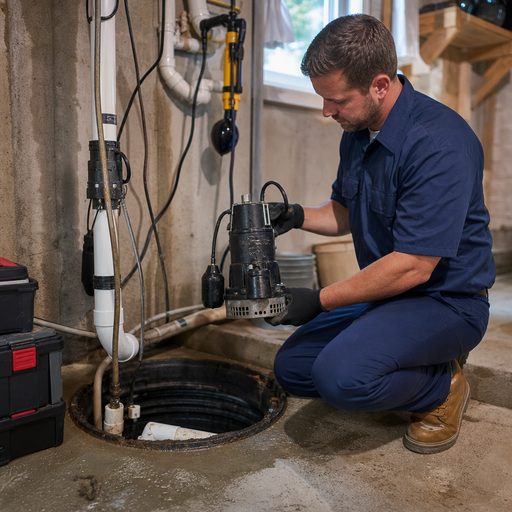
Pedestal installations are generally simpler, as their smaller basin footprint lets them adapt to tight pits. The installer ensures the float arm doesn’t contact the pit wall—and that the intake isn’t blocked by debris. Accessing and swapping out pedestal components is typically faster, and check valve replacements (a routine maintenance item) can be performed without moving the entire unit. Submersibles, however, require lifting the whole pump out for repairs like float switch or impeller service.
Professional Sump Pump Services
A licensed plumber can help select, size, and properly install or repair both submersible and pedestal sump pumps. For homes with complex drainage needs, seeking expert advice from a service like Sump Pump Installation ensures that your system is reliably set up and that local building codes are followed.
How Lifespan and Reliability Compare
Submersible sump pumps from major brands like Zoeller or Wayne are typically rated for 8–12 years with proper maintenance, largely because of their sealed design and heavy-duty internal components. Their quiet operation is a bonus for finished spaces, but their longevity is closely tied to the type of water quality (clean vs. debris-laden) and how frequently the motor cycles. The float switch and check valve are regular wear points and may need replacement during the pump’s life.
Pedestal pumps can sometimes outlast submersibles if kept free from excessive humidity and dust, as their motors stay dry and above any splash zone. Critical components, such as the float arm, are easy to check for wear or replacement. However, these pumps usually can’t manage the same heavy inflow volumes, and they’re more susceptible to accidental damage in busy basements with clutter near the shaft. Longevity is maximized with routine cleaning and making sure the intake is unobstructed.
Key Factors Driving Cost and Value
Several elements influence the cost of both pump types. Submersible pumps usually have a higher upfront investment due to their waterproof housing, robust motor construction, and general performance for larger jobs. Additional features like an integrated alarm, cast iron volute, or stainless steel fasteners also push prices up. Installation can be more involved, particularly in tight or deep pits.
Don’t Size Solely by Horsepower
A pump that's too large for your basin will short-cycle, leading to premature float switch wear and increased energy use. Have a professional assess your needs before choosing a larger capacity or horsepower. Proper measurement and advice from Sump Pump Repair services ensure a matched fit.
Special Cases: Backup Systems and Tough Environments
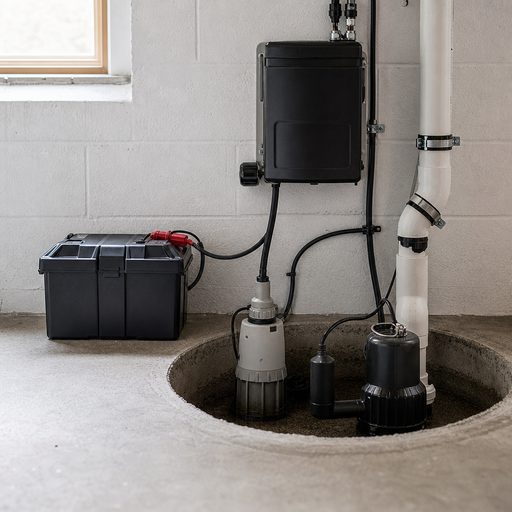
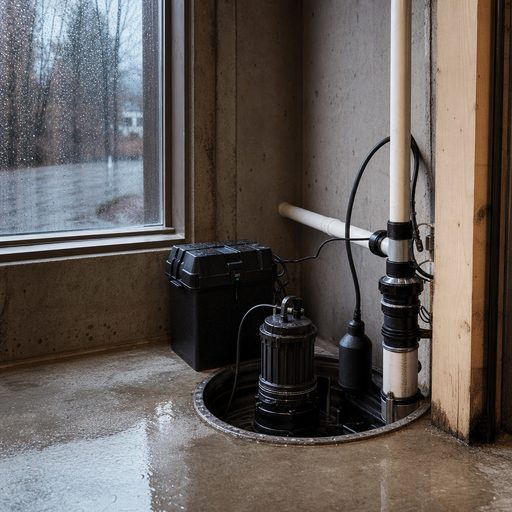
Homes prone to frequent power outages or heavy spring floods should consider backup systems regardless of pump style. Battery backup sump pumps can be paired with either submersible or pedestal units, automatically kicking in if the main pump loses power. Sump basins with gravel, heavy iron in water, or sand require a submersible model rated for handling debris; otherwise, more frequent cleaning and maintenance are necessary for either style.
If your basement is finished and quiet operation matters—or you want to install a secondary pump as a fail-safe—a submersible is generally the recommended choice. In rarely-used utility rooms, crawl spaces, or rental properties with smaller sumps and infrequent water infiltration, a pedestal pump’s simplicity and low maintenance can be the smarter investment. More on the pros and cons of battery backup options can be found in Should You Add a Battery Backup Sump Pump?
- Battery backup systems add reliability for any sump pump setup.
- Certain brands, like Basement Watchdog, specialize in backup systems.
- For very fine sediment or sand, look for submersibles with vortex impellers, such as Liberty Pumps models.
Common Parts to Know and Check
Regardless of pump type, staying on top of critical components ensures system reliability. The float switch (which activates the pump as the water level rises) is a well-known failure point in both types; mechanical models can stick or wear with time. The impeller may become fouled with debris or mineral buildup, requiring inspection every season or after storms. Check valves, which prevent pumped-out water from flowing back into the pit, eventually degrade and must be replaced periodically to prevent accidental flooding.
Submersible units often have a sealed power cord entry and built-in thermal sensors to protect the motor from overheating. Pedestal pumps may rely on a separate base flange and exposed drive shaft, which should be checked for any wobble or signs of corrosion. Spare parts for major brands like Zoeller or Little Giant are widely available, making routine upkeep straightforward when scheduled regularly.
How to Decide: Matching the Pump to Your Home
Start by assessing how much water your pit regularly collects and how much space you have for the unit. For homes with high inflow, finished basements, or a larger/broader basin, a submersible pump’s power and quietness pay off in the long run. For narrow or shallow pits—or if you want easy maintenance and can tolerate some background noise—a pedestal pump saves space and effort. Be sure to consider not just today’s needs but likely changes, such as finished living space, storage, or changes in local water table behavior.
How do I know if my pit requires a submersible or pedestal sump pump?
Measure the width and depth of your pit. Submersible pumps are better for large, deep pits, or when water inflow is heavy. A narrow or shallow pit often calls for a pedestal pump, since it requires less space. Consider both volume and available access before deciding.
Can I install a battery backup on either submersible or pedestal pumps?
Yes. Both types work with battery backup systems, which automatically power the pump during outages. Backups can be integrated or use separate, standalone pumps. For homes prone to outages, adding a backup enhances flood protection.
Do all models require regular maintenance, and what does that involve?
Both pump types need periodic checks: test the float switch, clear debris from the intake, inspect the check valve, and clean the pit. Submersibles may also need cord and seal checks, while pedestal shafts and motors should be dusted and inspected for corrosion.
Is it ever worth upgrading from a pedestal to a submersible pump?
It can be worthwhile if your pit can accommodate a submersible and you want greater capacity, quieter operation, or improved performance during storms. If you plan to finish your basement or have increased water issues, a submersible upgrade is usually a good investment.
Sources and further reading
These references support material safety, technical, consumer, or planning guidance in this article. Confirm property-specific requirements with the applicable authority and professional.