 Plumbing Advisors Editorial TeamEditorial StandardsUpdated July 5, 2026Source-Checked
Sump pump repair costs depend on several factors including the specific failure, pump type, age, and difficulty accessing the pit. Minor fixes cost much less than a full replacement, while added tasks like discharge pipe repairs or emergency calls increase overall price. Understanding what drives these costs ensures you get fair estimates and make informed repair or replacement decisions.
What Are the Biggest Factors in Sump Pump Repair Costs?
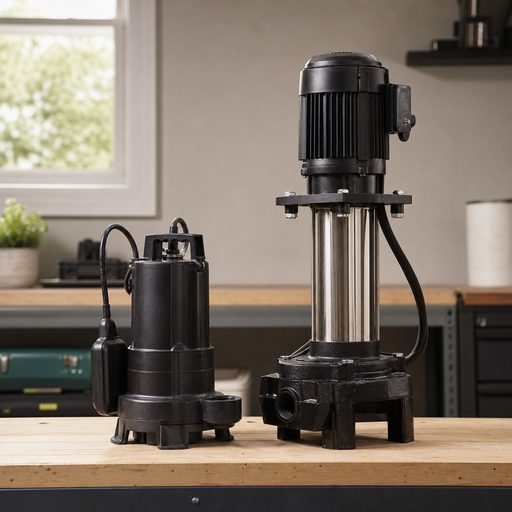
The final price for sump pump repair or replacement is set by several variables unique to your home’s setup. Chief among these is whether your problem can be solved with a simple part swap—like a new float switch or check valve—or if the entire unit must be replaced. The type of pump matters too: submersible units, common brands including Zoeller and Wayne, usually cost more to repair or replace than pedestal models thanks to their complexity and heavier-duty design. If your pit is cramped, deep, or obstructed, it adds labor, while extra work on discharge or a backup system pushes up the total. How quickly you need the job done—especially if the call is during a storm or after hours—can also increase the bill.
No two homes have identical setups. For example, replacing a check valve or float in an open pit can be a quick job, while rerunning clogged discharge piping or troubleshooting a power-fed backup system is lengthier and more complex. Homes with battery backups or water-powered backups (such as ones made by Liberty Pumps) will face additional assessment and possible repair or replacement tasks, which are covered in detail under Sump Pump Repair and Sump Pump Installation services.
- Repair versus full replacement: Swapping a float switch or relay is a smaller job compared to replacing the entire pump, control box, and plumbing.
- Pump type, brand, and capacity: Submersible units and higher-horsepower models (e.g., Zoeller, Wayne) cost more to repair or replace than pedestal types.
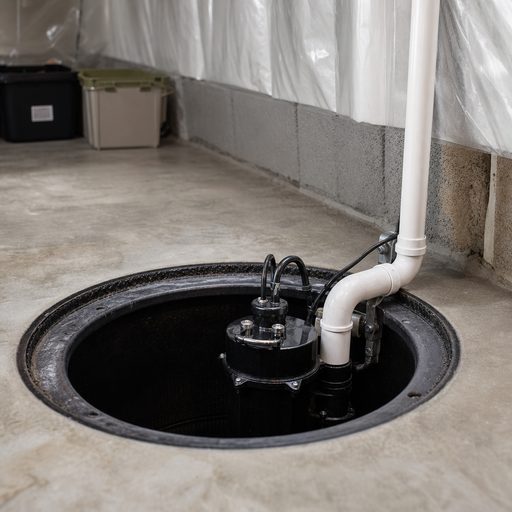
- Pit accessibility: Tight, cluttered, or deep pits complicate service and increase labor.
- Discharge line and check valve repairs: Clearing or replacing blocked or frozen lines adds cost.
- Time and urgency: Emergency visits or service during storms and weekends often result in higher charges.
Common Sump Pump Repair Issues and Key Components
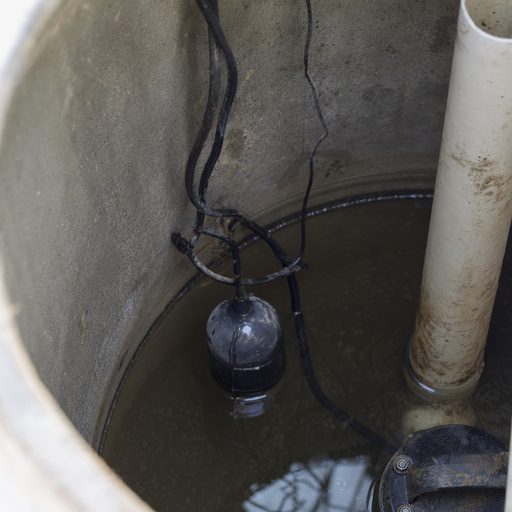
Sometimes the problem isn’t inside the pump at all. Clogged intakes or frozen, clogged, or broken discharge pipes can make the system seem like it’s failing. Professionals begin diagnosis by checking power to the pump, testing the float mechanism, and ensuring the check valve and discharge are clear. If your home relies on a battery backup sump pump, failure can also stem from a dead battery, corroded battery terminals, or a failed charger—the kind of diagnostic best left to pros.
When to Repair and When to Replace Your Sump Pump
Repeat failures, water in the basement, or a pump that can’t keep up with storm demand are signals it’s time to weigh a new installation. Crucially, pump sizing is key: replacing an undersized or outdated unit may require upgrading to a more powerful model, possibly with dual pumps or backup capability. For a breakdown of symptoms and diagnosis, see the guide on Why Do Sump Pumps Fail?, and for considerations on pump styles, review Submersible vs. Pedestal Sump Pumps.
Gather the Pump Details Before Requesting a Quote
Write down the pump brand (like Zoeller or Wayne), model number, horsepower, age, and any known backup systems before reaching out for professional Sump Pump Repair. This speeds diagnosis and ensures estimates are accurate to your situation.
What to Expect During a Sump Pump Service Visit
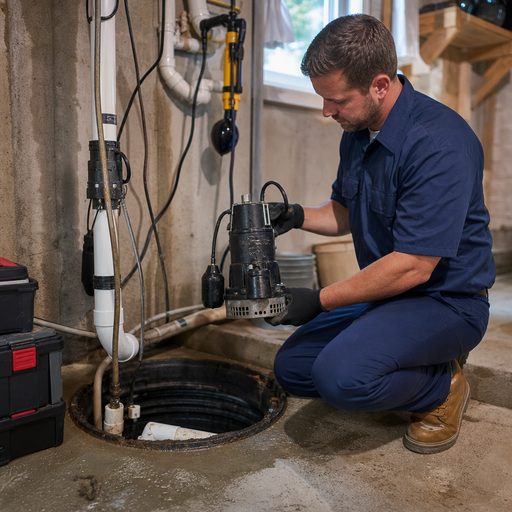
A typical sump pump service appointment starts with troubleshooting and an inspection of the pit area. The technician confirms that power is supplied to the outlet, checks GFCI resets, and examines visible components such as the float switch, check valve, basin cover, and the discharge pipe. They often run the pump through a cycle—by filling the pit with water—to observe operation, listen for abnormal noises, and check outflow. The intake grate and impeller may be inspected for debris or mineral buildup, and, on units with a backup, the battery or water-powered assist system is tested as well.
Depending on findings, the visit may involve replacing worn switches, valves, or impellers, cleaning out the pit or intake, and repairing or rerouting the discharge piping if it’s leaking or prone to freezing. If the pump is failing due to age or major mechanical defects, the technician will recommend models that match your pit size and drainage needs and may give you options for either a basic replacement, an upgrade, or adding a backup system for extra protection. Each component or task—be it replacing a float switch, check valve, or entire motor—can impact the service quote.
The Role of Codes and Local Conditions
Local plumbing codes heavily influence what kind of sump pump work is required, especially for discharge lines, check valve placement, and electrical connections. Many municipalities demand that pumps discharge to exterior storm drains or a specific distance from the foundation, and some restrict sump water from being routed into sanitary sewers. Battery backup installations may also require GFCI-protected outlets and approved wiring. It’s essential for any sump pump repair or installation to be code-compliant—requirements differ town to town, so confirm with a licensed professional and your local building department.
Regional conditions, like potential for freezing, high water tables, or heavy clay soils, shape the choice of pump size, discharge pipe material, and installation style. In areas prone to harsh winters, outdoor discharge lines require measures such as freeze-resistant piping and venting. Homes with constant groundwater pressure may need higher-capacity pumps with robust check valves, a common design from manufacturers like Zoeller. As always, an on-site assessment is the only way to ensure the system is correct for both code and conditions.
- Check codes for sump pump discharge and backup wiring requirements.
- Confirm whether water is allowed to discharge into storm versus sanitary drains.
- Ask about freeze protection for exterior sump pump discharge lines.
Prevention and Maintenance: How to Avoid Large Repairs
Routine maintenance extends your sump pump’s life and reduces the chance of costly repairs or basement flooding. Key steps include checking the float switch for free movement, inspecting and cleaning the intake grate, and testing the check valve for one-way flow. For submersible pumps, it’s wise to ensure the pit stays free of gravel and debris that could jam the impeller or clog the discharge. Battery backups—like those from Wayne or Liberty Pumps—require periodic battery replacement and visual inspection for corrosion or leaking fluid.
A professional sump pump tune-up, typically recommended annually or before storm season, involves a full-cycle test, float switch adjustment, cleaning, and, if applicable, testing or replacing the backup system battery. Homeowners can decrease repair frequency by not allowing objects to fall into the pit, keeping the sump basin covered, and making sure exterior discharge lines remain clear and sloped away from the house. Preventive care is covered in depth in our related Sump Pump Repair guide.
Warning Signs You Shouldn’t Ignore
Grinding, humming without pumping, or short rapid cycles are often early hints of major failures involving the motor, impeller, or electrical components. Don’t wait—delayed repairs could mean a flooded basement at the next downpour.
What Else Can Affect Sump Pump Service Pricing?
Beyond the physical repair, several indirect factors shape how much you pay. Emergency service, especially during heavy rains, almost always means higher rates due to demand. The brand, warranty status, and availability of spare parts play a role—if your pump is a well-known make like Zoeller, Wayne, or Liberty, parts are more readily available compared to less common or discontinued models. Installing or replacing backup systems adds complexity, especially where the pit or electrical service is outdated.
Expect a higher quote if the job requires trenching for a new discharge line, rerouting plumbing, or significant pit modification. If mold remediation or extensive cleanup is needed due to leakage, these costs are typically outside the scope of basic repair. For information on how costs compare between fixing a pump and switching to a new unit, refer to the related cost guide and review the details found in Sump Pump Repair and Sump Pump Installation.
How to Get the Most Accurate Quote
To receive an accurate and realistic estimate, provide as much information as possible regarding your sump pump’s make, model, capacity, past repair history, and what exactly is malfunctioning. Details like the type of pit cover, accessibility, backup systems present, and discharge route can all impact the required labor and parts. Ask for itemized quotes that clearly break down diagnostics, parts, and labor, noting specifically whether the check valve, float switch, or discharge line work is included.
Be sure the quote addresses your home’s code requirements and unique environmental factors, like soil conditions or regional weather risks. Comparing several estimates from licensed local professionals will yield the best sense of where your job fits within the typical range discussed in the related cost guide. Understanding these differences lets you balance budget, reliability, and protection for your basement.
What are the most common sump pump parts that fail?
Float switches, check valves, and impellers are the most common failure points. Older units may also develop electrical issues in the motor or circuit board. Battery backups require regular battery maintenance or replacement, especially in homes with frequent outages.
Can I repair a sump pump myself?
Replacing a float switch or cleaning debris from the pit can be a DIY job for some, but electrical, mechanical, or backup battery issues are safer in a professional’s hands. To avoid safety hazards and flooding risk, get expert help—especially for major repairs or code-governed changes.
Will repairing my sump pump void its warranty?
Repairs done by an unlicensed person or using non-original parts can void your manufacturer’s warranty. Always check your warranty’s terms before authorizing repairs, and retain documentation if a professional performed the work using parts from the same brand (e.g., Zoeller, Wayne).
Sources and further reading
These references support material safety, technical, consumer, or planning guidance in this article. Confirm property-specific requirements with the applicable authority and professional.