
Repiping
Repiping in Sandy Springs, GA
Homeowners planning repiping in Sandy Springs, GA should note whether failures repeat across unrelated sections and whether pressure or water quality problems are system-wide. That keeps the Georgia conversation focused on observable conditions while the actual cause and repair boundary remain subject to inspection.
Plumbing Advisors provides guidance and connection assistance. Independent providers perform the plumbing work and confirm availability, pricing, timing, and credentials.
On this pageOverview
 Plumbing Advisors Editorial TeamEditorial StandardsSource-Checked
Homeowners planning repiping in Sandy Springs, GA should note whether failures repeat across unrelated sections and whether pressure or water quality problems are system-wide. That keeps the Georgia conversation focused on observable conditions while the actual cause and repair boundary remain subject to inspection.
The quick answer
- Typical cost
- Partial repipe (one bathroom or run) typically costs $1,350 to $6,125. The final cost depends on the confirmed scope, access, parts or equipment, labor, timing, and related work.
- Repair or replace
- A repipe really involves two decisions: how much of the system to replace, and what material to use.
- Get help fast
- Describe the problem and we'll connect you with independent repiping pros serving Sandy Springs, GA — no obligation.
Repiping in Sandy Springs
Repiping means replacing the water supply pipes that run through your home rather than patching them one failure at a time. It comes up most often when leaks stop being isolated events and start becoming a pattern, or when a home still has a pipe material known to wear out, such as galvanized steel that rusts shut from the inside or polybutylene that grows brittle with age. The goal is to trade a system you no longer trust for new pipe that restores reliable flow, clean-looking water, and steady pressure.
A repipe is a bigger project than a spot repair, but it is also a known quantity. A plumber maps the runs, opens a limited number of access points, installs new PEX or copper, pressure-tests the lines, and ties everything back together. The point of this page is to help you recognize when a repipe is genuinely warranted, understand the main choices involved, and connect with a plumbing professional that services your area when repeated repairs no longer add up.
Signs you may need a repipe in Sandy Springs
Leaks that keep coming back
One fixed joint is a repair. A series of pinhole leaks or failures showing up in different parts of the house is a different story, and usually points to the pipe material wearing out across the system rather than one bad spot.
Old galvanized or polybutylene pipe
Galvanized steel corrodes and narrows from the inside over decades, choking flow and rusting through. Polybutylene, common in some homes built from the late 1970s to mid-1990s, can grow brittle and leak. Both are frequent reasons homeowners repipe.
Discolored or metallic-tasting water
Rusty, brown, or yellow water, especially first thing in the morning, often means corrosion inside the pipes. A metallic taste can point to the same problem. When it shows up at multiple taps, the pipes themselves are usually the source.
Low pressure throughout the house
Weak flow at a single fixture is often a clogged aerator or valve, but pressure that has faded everywhere can mean corrosion or buildup has narrowed the pipes across the system. That kind of whole-house drop is worth investigating rather than living with.
Frequent repair bills adding up
When you find yourself calling for the same kind of leak every few months, the running total can quietly pass what a repipe would have cost. A pattern of paying to patch aging pipe is itself a sign it may be time to replace it.
Visible corrosion on exposed pipe
Flaking rust, a chalky buildup, or green-blue staining on the pipes you can see in a basement or crawl space hints at the condition of the ones you cannot. Widespread corrosion on exposed runs often means the hidden runs are no better.
Causes and scope drivers to inspect
- Galvanized steel pipe rusting and closing up from the inside
- Polybutylene pipe that has grown brittle and leak-prone with age
- Copper developing pinhole leaks from water chemistry over decades
- High water pressure stressing joints and fittings throughout the system
- Mixed or incompatible past repairs that keep failing
- Original pipes simply reaching the end of their service life
PEX vs. copper, and whole-home vs. partial
A repipe really involves two decisions: how much of the system to replace, and what material to use. Neither has a single right answer, and the best fit depends on your home, your local code, and what the plumber finds during the inspection.
PEX repipe
PEX is a flexible plastic tubing that installs quickly, needs fewer fittings, and resists corrosion and freeze damage. It usually requires less wall opening and tends to be the lower-cost option, which makes it a common choice for whole-home repipes. It is approved by most local codes, though a few areas have specific rules worth confirming.
Copper repipe
Copper is rigid metal pipe with a long, proven track record and a long service life. It generally costs more in both material and labor and can be more vulnerable to pinhole leaks in areas with aggressive water chemistry. Some homeowners still prefer it, and it remains a solid, code-approved choice in most regions.
Whole-home vs. partial
A whole-home repipe replaces the entire supply system at once and makes sense when the pipes are a uniformly aging material or leaks are spread across the house. A partial repipe targets only the failing runs and costs less, but if the rest of the pipe is the same age and material, it may only postpone the next round. A plumber can assess overall condition and advise.
How much does repiping cost in Sandy Springs?
For repiping in Sandy Springs, GA, compare itemized quotes for the same inspected scope. Access, testing, parts or equipment, permits, restoration, and urgency can change the final price.
Typical plumbing rates in Sandy Springs, GA
| Service | Typical cost range |
|---|---|
| Service call | $65–$160 per visit |
| Minimum visit charge | $105–$240 per visit |
Hourly labor rates
| Labor | Typical cost range |
|---|---|
| Residential plumbing labor | $95–$185 per hour |
Emergency pricing factors
| Factor | Typical range |
|---|---|
| After-hours or emergency factor | 1.43x–2.42x |
Typical repiping costs in Sandy Springs, GA
| Project | Typical cost range |
|---|---|
| Partial repipe (one bathroom or run) | $1,350–$6,125 |
| Whole-home repipe (overall range) | $4,000–$21,050 |
| PEX whole-home repipe | $3,500–$15,550 |
| Copper whole-home repipe | $7,950–$30,100 |
Per-item costs
| Item or service | Typical cost range |
|---|---|
| Repiping priced per fixture | $480–$1,780 per unit |
Additional project costs
| Additional work | Typical cost range |
|---|---|
| Drywall patch and paint after access | $600–$4,800 |
Cost ranges are estimates developed from standardized project scopes and reviewed pricing inputs. Government labor and regional cost data are used where applicable. See our Pricing Methodology for the exact sources, calculations, and review date. Actual prices vary by property, scope, materials or equipment, location, and provider.
What affects the cost
- Whole-home versus a partial repipe of only the failing runs
- Pipe material, with copper generally costing more than PEX
- Home size, number of stories, and the number of fixtures served
- How easy the pipes are to reach behind walls, floors, and slabs
- Drywall, tile, and finish repair needed after access is opened
- Permits and inspections where local code requires them
- Regional labor rates and crew size
Planning repiping in Sandy Springs
A useful local scenario
When requesting repiping in Sandy Springs, GA, record a concrete observation such as "Pressure has dropped across the whole house, not one fixture" and what happened immediately before it. That timeline is more useful than assuming a material, component, or Georgia condition caused the problem.
Property and access planning
In Sandy Springs, collect any equipment details, prior findings, and access information related to fixture count, routing, access openings, occupied-area protection, shutoffs, permits, testing, and restoration. That preparation helps the professional price the inspected scope instead of a guessed repair. For the Sandy Springs, GA estimate, ask the professional to identify the inspected component or system, the planned access point, and the exclusions that apply to the Sandy Springs property.
Credential checks in Georgia
Plumbing in Georgia is regulated by the State Construction Industry Licensing Board through its Division of Master Plumbers and Journeyman Plumbers, administered by the Georgia Secretary of State. For most plumbing work you should hire a state-licensed plumber rather than relying on city-by-city rules.
Georgia issues Journeyman Plumber, Master Plumber Class I, and Master Plumber Class II licenses. A Class I master plumber is restricted to single-family and two-family dwellings and smaller commercial buildings, while a Class II master plumber is unrestricted; you can confirm any license on the Secretary of State's online licensee search.
Permits and inspections in Georgia
Permit and inspection requirements are set locally and vary by city and county. The City of Atlanta, for example, requires a permit to install, repair, or replace plumbing and lets a homeowner submit the application for their own project, while in unincorporated areas the county building department typically handles permitting. Always check your local building department before work begins.
Relevant water context in Georgia
Water hardness in Georgia varies by source and is generally on the softer end compared with much of the country, with a statewide average often cited around 60 ppm. Metro Atlanta's supply is frequently reported as relatively soft to only moderately hard, though levels differ by system. Even moderate hardness can leave scale that gradually narrows pipes and shortens water heater and fixture life.
Get matched with a repiping pro in Sandy Springs
Tell us what's going on and we'll connect you with independent repiping help serving Sandy Springs, GA.
No-obligation request · Availability varies by location and provider
What a repiping visit includes
- An inspection to confirm a repipe is warranted and define the scope
- A plan for which runs to replace and what material to use
- Opening a limited number of access points in walls, floors, or ceilings
- Running and connecting new PEX or copper supply lines
- Tying the new pipe into fixtures and the main water supply
- Pressure-testing every line and checking for leaks
- Restoring water service and confirming normal pressure and water quality
What to expect at the appointment
- 1Have a plumbing professional inspect the system and confirm a repipe is warranted
- 2Agree on scope: whole-home or just the failing runs, and the pipe material
- 3Pull any permits your local code requires before work begins
- 4Shut off water and open access points in walls, floors, or ceilings as needed
- 5Run and connect the new pipe, then pressure-test every line
- 6Restore water, confirm pressure and water quality, and patch the openings
What to do first
- Look at exposed pipes in the basement or crawl space for rust or green-blue staining
- Note whether discolored water clears after running the tap or stays cloudy
- Check whether low pressure affects the whole house or just one fixture
- Keep a simple list of where and how often leaks have happened
- Know where your main water shutoff is in case a leak starts
How to choose a repiping pro in Sandy Springs
- Confirm the professional is licensed and insured where your state or municipality requires it
- Ask for a written, itemized estimate after an in-person inspection, not over the phone
- Compare PEX and copper pricing and ask which the plumber recommends for your home and why
- Ask whether a partial repipe would solve the problem before committing to a whole-home job
- Clarify who handles drywall patching and paint so it is not a surprise line item
- Check what warranty covers the pipe and the labor, and review recent reviews for similar work
How Plumbing Advisors helps
Plumbing Advisors helps you tell the difference between a one-off leak and a system that has reached the end of its life, then connects you with plumbing professionals that service your area. A pattern of repeat leaks is often the clearest sign it is time to discuss a repipe. Scope, materials, availability, and pricing vary by location and provider.
Repiping in Sandy Springs: FAQs
How should I prepare for a repiping visit in Sandy Springs, GA?
For the Sandy Springs, GA visit, prepare fixture count, routing, access openings, occupied-area protection, shutoffs, permits, testing, and restoration. Keep the project address and any prior findings available, then ask the professional to confirm the inspected scope and applicable Georgia or local requirements in writing.
What can change a repiping quote in Sandy Springs, GA?
For Sandy Springs, GA, one important scope driver is drywall, tile, and finish repair needed after access is opened. Access, testing, parts or equipment, permits, restoration, and urgency may also matter. Compare itemized quotes for the same inspected scope rather than relying on an unsupported Georgia price.
Why do repiping quotes vary so much?
Home size, pipe material, and access drive most of the difference. A single-story home with accessible pipes and PEX costs far less than a multi-story home repiped in copper with pipes buried behind tile. Permits, finish repair, and regional labor rates move the number as well, which is why an in-person estimate is more reliable than a quote over the phone.
Is a partial repipe cheaper than a whole-home repipe?
Yes, when the problem is truly limited to one area. Replacing just the lines feeding a single bathroom can cost a fraction of a whole-home job. The catch is that if the rest of the pipe is the same aging material, a partial repipe may only delay the next round of leaks, so it is worth asking the plumber about the overall condition first.
How do I know if I need a repipe instead of another repair?
The strongest sign is a pattern. One leak on otherwise sound pipe is a repair, but pinhole leaks or failures appearing across the house, especially on galvanized or polybutylene pipe, usually mean the material itself is wearing out. A plumbing professional can inspect the overall condition and tell you whether repeated repairs or a repipe makes more sense.
Is PEX or copper better for a repipe?
Both are widely used and code-approved in most areas. PEX is flexible, faster to install, and resists freezing and corrosion, which often makes it less expensive. Copper is rigid, long-proven, and some homeowners prefer it for its track record. The best choice depends on your home, local code, and budget, so it is worth discussing with the plumber.
Do my walls have to be torn open?
Some access is almost always needed, since pipes run inside walls, floors, and ceilings. A good crew opens as few, and as small, areas as possible and works from existing access points where they can. Ask up front how much drywall will be opened and who handles patching and paint afterward.
How long does a whole-house repipe take?
Many single-family homes are repiped in a few days, though larger homes or those with difficult access can take longer. Water is typically off for portions of the work and restored by the end of each day where possible. Your plumber can give a realistic timeline once they have seen the home.
Sources and local references
These primary and public-agency references support the safety, credential, permit, efficiency, equipment, or local-system guidance used on this page. They do not diagnose a specific property.
- U.S. EPA WaterSense - Home maintenance
- U.S. EPA WaterSense - Fix a Leak Week
- NSF - Faucets and plumbing products
- NSF - Safety of PEX plumbing products
- Georgia Secretary of State — Division of Master and Journeyman Plumbers
- Georgia Rules & Regulations — Rule 121-3-.02, Statewide Master and Journeyman Plumber License
- Georgia Secretary of State — Professional Licensee Search (verify a license)
- City of Atlanta — Office of Buildings, plumbing permits
Problems that may lead to repiping
Repiping in nearby cities
Other plumbing services in Sandy Springs





Repiping guides
Learn before your repiping in Sandy Springs.
Free guides on cost, common problems, repairs, and what to expect — written to help you make the call with confidence.
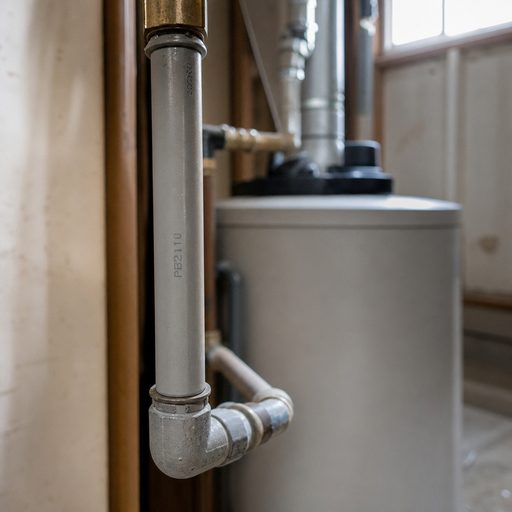
What Is Polybutylene Pipe and Should You Replace It?
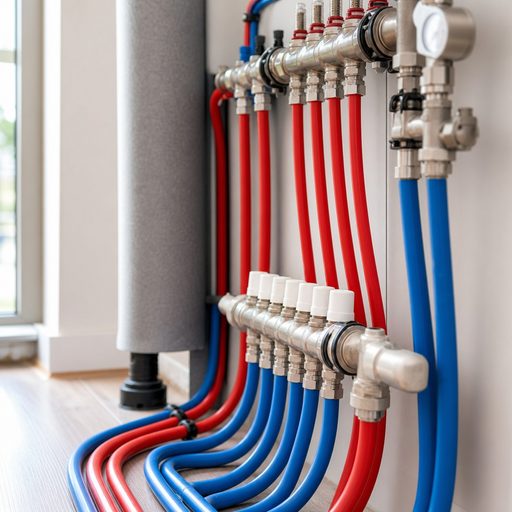
Is PEX Safe for Drinking Water?
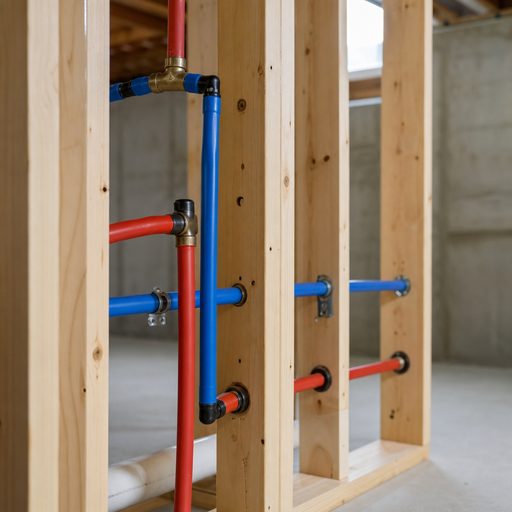
How Long Does PEX Plumbing Last?
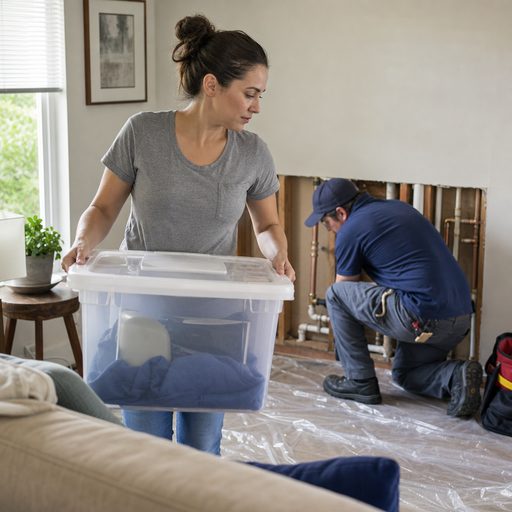
How Long Does a Repipe Take, and How Disruptive Is It?
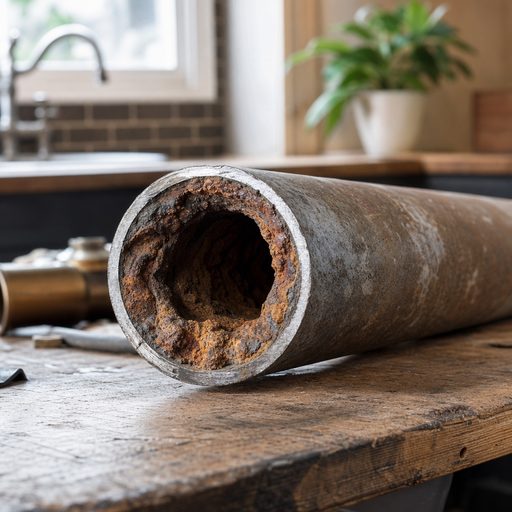
What Damages Home Pipes: Corrosion, Pressure, and Water Chemistry
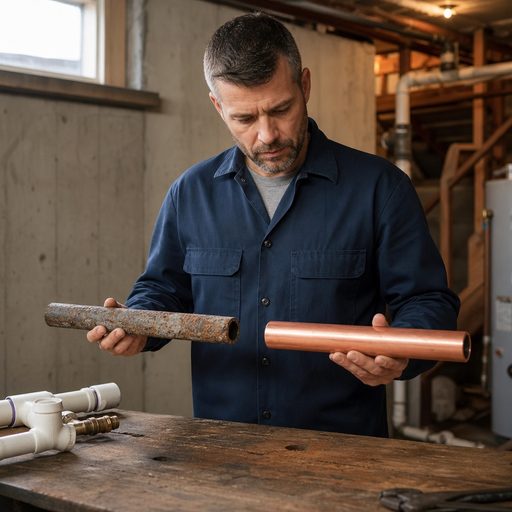
Pipe Repair vs. Section Replacement vs. Whole-Home Repipe
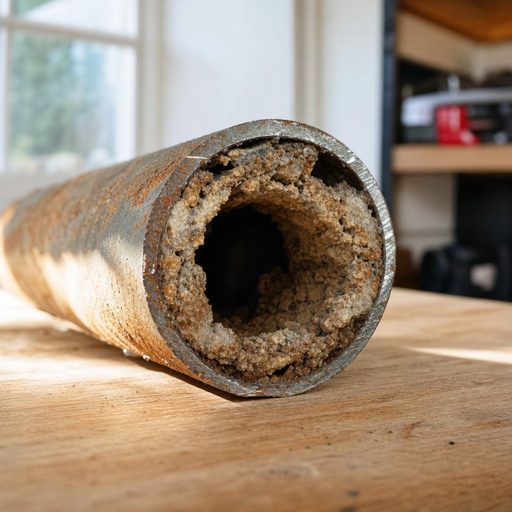
Galvanized and Polybutylene Pipe Risks Explained
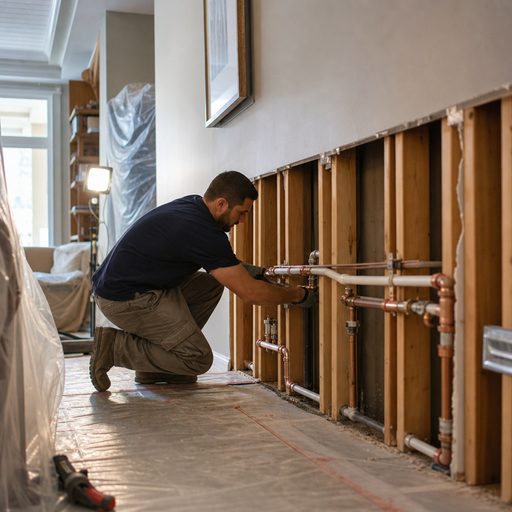
What to Expect During a Whole-House Repipe
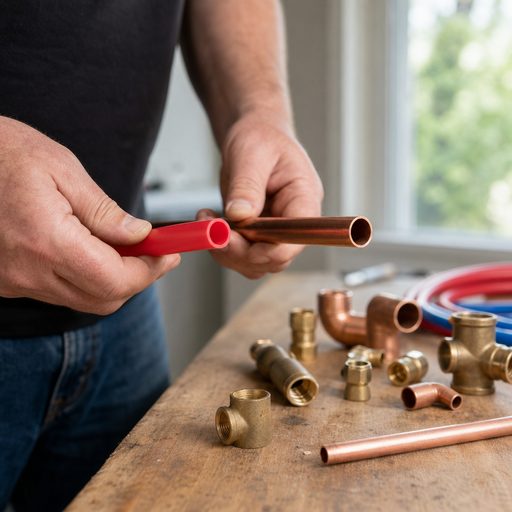
PEX vs. Copper for a Repipe: How to Choose
Need Plumbing Help Now?
Call Plumbing Advisors to connect with help for leaks, drains, water heaters, sewer lines, burst pipes, toilets, faucets, and more.
No-obligation request · Availability varies by location and provider