 Plumbing Advisors Editorial TeamEditorial StandardsUpdated April 29, 2026Source-Checked
When a pipe fails, it can feel like bad luck, but the truth is that most pipe damage builds up gradually from a handful of well-understood causes. Corrosion, water pressure, water chemistry, and simple age all work on your plumbing quietly for years before a leak ever appears. Understanding these forces helps explain why some homes seem to have constant pipe trouble while others go decades without an issue, and why fixing the cause sometimes matters as much as fixing the leak. Knowing what wears pipes down also points to the few things a homeowner can actually do to protect them.
Corrosion From the Inside Out
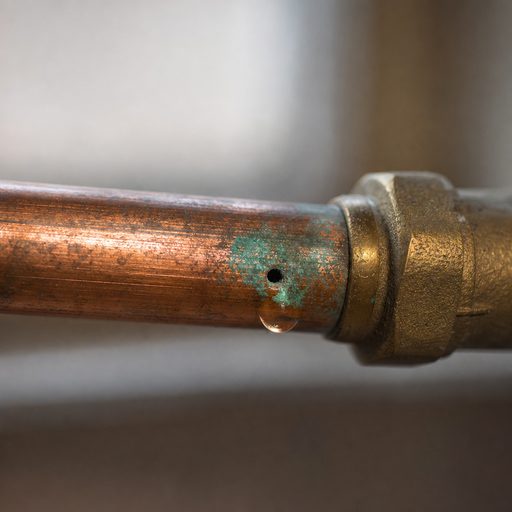
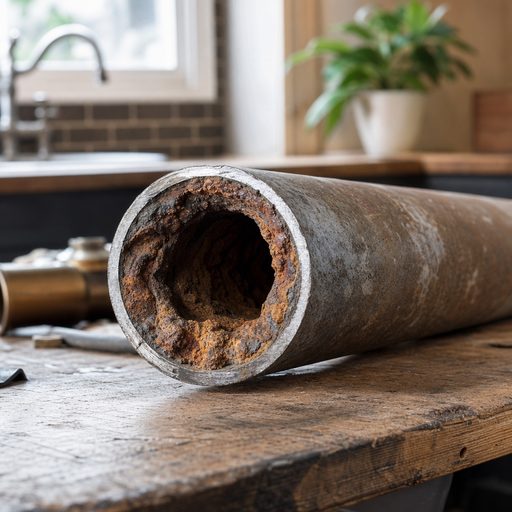
Corrosion is the slow chemical breakdown of pipe material, and it is one of the leading reasons older plumbing fails. In metal pipes, especially galvanized steel and copper, corrosion can eat away at the pipe wall from the inside, where the water flows and you cannot see it. Over time this thins the metal until a pinhole or crack forms, and it also leaves rust and mineral deposits that narrow the pipe and choke the flow. Corrosion rarely happens evenly, which is why one section can fail while another nearby still looks fine, and why discolored water is often the first hint that it is underway.
Pressure, Water Chemistry, and Hard Water
Beyond corrosion, the water itself does a great deal of damage depending on how hard it pushes and what it carries. Pressure that is too high stresses pipes and joints around the clock, and fast-moving water can physically wear at the pipe wall over time. The chemistry of the water matters just as much, because water that is too acidic or too alkaline attacks pipe material, and hard water leaves mineral scale that builds up inside the lines. The factors below are the most common water-related causes of pipe trouble in homes.
- High water pressure, which keeps every pipe and joint under constant strain and shortens their life.
- Fast flow velocity, often from undersized pipe, which erodes the protective inner surface of the line.
- Acidic or aggressive water chemistry that slowly corrodes copper and other metals from within.
- Hard water, whose dissolved minerals leave scale that narrows pipes and traps spots of corrosion.
- Sediment and grit that settle inside the line and concentrate wear in one place.
- Improper electrical grounding, which can drive a slow electrochemical reaction that pits copper.
High pressure is worth checking
Water pressure that is too high is a common, fixable cause of pipe and joint stress, yet many homeowners never check it. If your pipes bang, faucets splash hard, or you have had repeated leaks, ask a professional to test your pressure. Bringing it into a healthy range can quietly extend the life of your entire plumbing system.
Age and the Materials in Your Walls
Even with good water and reasonable pressure, no pipe lasts forever, and the material in your walls strongly shapes how it ages. Older homes may still carry galvanized steel that rusts and clogs from the inside, and the older a system gets, the more likely several spots are to fail around the same time. Physical factors play a part too, from a pipe rubbing against framing as the house settles to a line that freezes because it runs through an unheated space. The combination of a pipe's age, its material, and the conditions it has lived with for decades is usually what determines when, and where, it finally gives way.
When to Call a Professional
Because pipe damage builds up out of sight, a professional assessment is the best way to learn what is wearing your plumbing down and how much life is left in it. Pipe repair handles the failures that have already appeared, while a professional can flag whether the underlying cause, such as high pressure or aggressive water, is likely to keep attacking the system and whether repiping is worth considering. To recognize trouble early, see our guide on the signs of a failing or damaged water pipe, and if you have copper plumbing, our look at what causes pinhole leaks in copper pipe explains how these forces produce one of the most common failures.
Sources and further reading
These references support material safety, technical, consumer, or planning guidance in this article. Confirm property-specific requirements with the applicable authority and professional.