 Plumbing Advisors Editorial TeamEditorial StandardsUpdated May 20, 2026Source-Checked
If your home is a few decades old, the pipes behind the walls may be made of materials that the plumbing trade has since moved away from. Two in particular, galvanized steel and polybutylene, are known to degrade and fail in ways that newer materials do not, and discovering either one is a common reason homeowners begin considering a repipe. Knowing whether you have these pipes, why they are a concern, and what the warning signs look like helps you weigh the risk honestly and decide, with a professional, whether to keep an eye on them or plan to replace them.
Why Galvanized Steel Fails
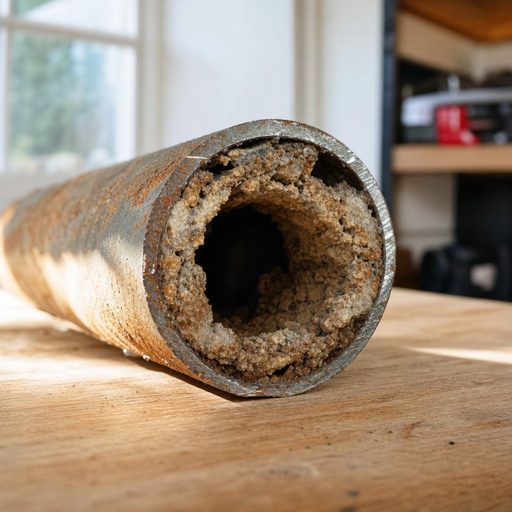
Galvanized steel pipe was common in homes built before the middle of the last century, and its weakness is corrosion from the inside out. Over the decades, the protective zinc coating wears away and the steel beneath rusts, building up scale that narrows the pipe's interior. That slow constriction chokes off water flow and can tint the water rust-brown, and as the walls thin from the inside, leaks become more likely. Because the corrosion is hidden inside the pipe, a galvanized system can look fine from the outside while it is well on its way to failing, which is part of what makes it a concern in older homes.
- Rusty, brown, or discolored water, especially in the first flow from a tap that has sat unused.
- Low or steadily declining water pressure throughout the home as scale narrows the pipes.
- Visible rust, flaking, or corrosion on any exposed sections of pipe.
- Uneven flow between fixtures as some lines clog more than others.
- A pattern of leaks in metal supply lines as the pipe walls thin from within.
Why Polybutylene Is a Concern
Polybutylene is a gray plastic pipe used in many homes built from the late 1970s into the 1990s. It was popular for being inexpensive and easy to install, but over time it developed a reputation for becoming brittle and failing, sometimes without much warning. The trouble is that the deterioration often happens inside the pipe and at the fittings, so the material can look intact while it is weakening. Many homeowners do not know they have it until a leak occurs or a plumber identifies it during other work. Because failures can be sudden, polybutylene is widely viewed as a material worth replacing rather than waiting out.
Do not ignore rusty water paired with leaks
Discolored water alone can have harmless causes, but rusty water combined with repeated leaks in metal pipes often signals corrosion that is well advanced. If you suspect galvanized or polybutylene pipe, have the system inspected sooner rather than later, before an aging line gives way inside a wall.
Identifying What You Have
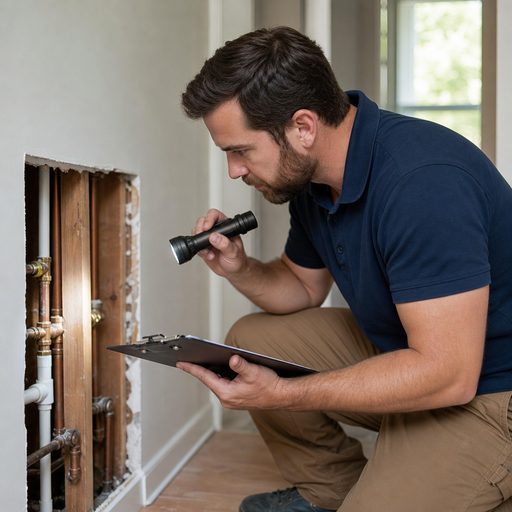
You can often get an early clue yourself by looking at exposed pipe where it enters the water heater, under sinks, or in a basement or crawl space. Galvanized steel looks like dull gray metal, often with visible rust or corrosion at the threads, while polybutylene is typically a gray, sometimes bluish or black, flexible plastic. The age of your home is another strong hint. These visual checks are a starting point, not a diagnosis, since pipe material can change between the visible sections and the lines hidden in the walls, so a professional inspection is the reliable way to know what is really there.
When to Call a Professional
If you suspect galvanized or polybutylene pipe, a professional can confirm the material and assess how far along its decline is. Repiping services can replace failing lines with modern materials before they cause water damage, while pipe repair may buy time on an isolated section if the rest of the system is sound. If leaks are already appearing, leak detection services can locate them without tearing into walls to guess. To weigh whether to replace now or monitor, see our guide on whether your house needs repiping, and if you decide to move forward, our overview of what to expect during a whole-house repipe walks through the project step by step.
Sources and further reading
These references support material safety, technical, consumer, or planning guidance in this article. Confirm property-specific requirements with the applicable authority and professional.