 Plumbing Advisors Editorial TeamEditorial StandardsUpdated July 5, 2026Source-Checked
PEX and copper are both excellent choices for whole-house repiping, each with clear pros and cons. PEX is flexible, easier to install, and may be ideal for tricky layouts, while copper is time-tested with proven durability. The right material depends on your water, your climate, your home's needs, and your long-term plans—understanding all the differences helps you choose wisely.
What Are PEX and Copper Pipes—and Why Does It Matter?
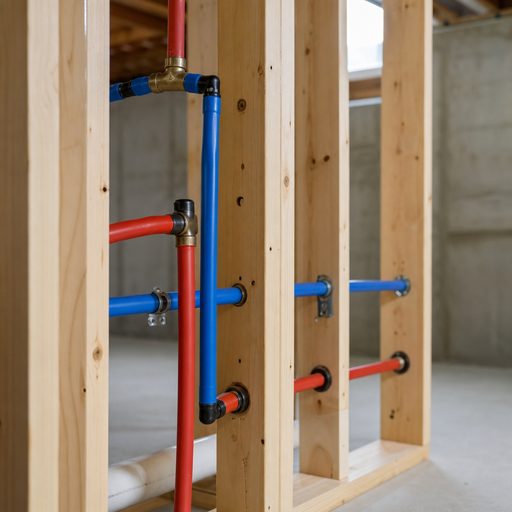
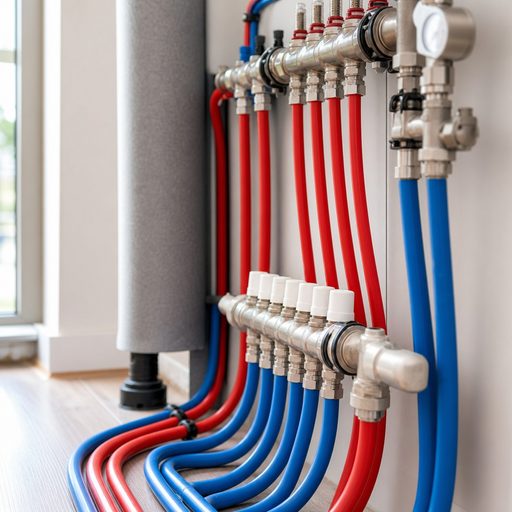
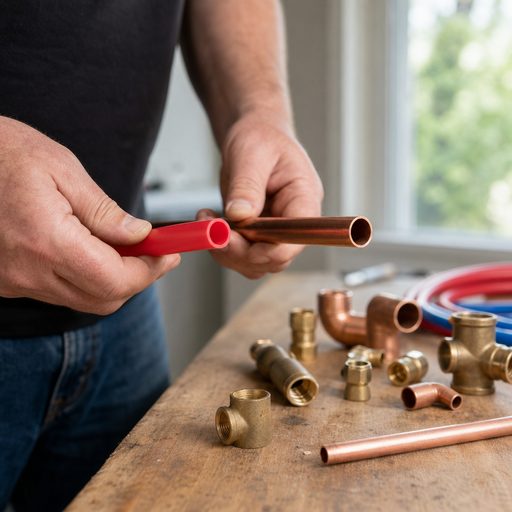
PEX (cross-linked polyethylene) and copper are the two leading types of piping used for residential repipes today. PEX is a flexible plastic tubing, available in red, blue, and white colors to identify hot and cold water lines. Its flexibility allows it to curve through walls, floors, and around obstacles with fewer fittings. Copper pipe, on the other hand, is rigid and has been the gold standard in plumbing for decades. The choice between the two is not just about material but about installation, performance, and the unique needs of your home.
The type of pipe you choose can impact future leak risks, water quality, and even your home’s resale appeal. Some regions and home buyers see copper as a premium feature, while others appreciate the convenience and modern benefits of PEX. Plumbers regularly work with both and can tailor a system to fit your house, but understanding how they differ helps you know what you’re getting and why one might be a better fit.
PEX vs. Copper: Comparing Key Features Side-by-Side
- Flexibility: PEX tubing can bend around corners with minimal fittings, making installation quicker and less invasive. Copper must be cut and joined at every turn or junction.
- Durability: Copper resists UV and extremely high temperatures, while PEX withstands freeze-thaw cycles better thanks to its ability to expand slightly.
- Corrosion Resistance: PEX doesn’t corrode or develop pinhole leaks from acidic water, a known risk with copper in some regions.
- Water Quality: Copper can impart a metallic taste if water sits in pipes for long periods, while some forms of PEX may transmit slight plastic odors, especially when new.
Both types have code-approved fittings: copper uses sweat (soldered) or press couplings; PEX connects with crimp, clamp, or push-to-connect fittings. When considering a repipe, pay attention to water chemistry (a local pro can test and advise), your region’s code requirements, and any limitations if lines will be exposed to direct sunlight (as PEX degrades under UV).
Component reliability varies most at connection points. Common failure areas in copper systems are at joints or where the pipe meets a valve or shutoff; in PEX, the worry is sometimes with improper crimping, cheap fittings, or using the wrong material—brass vs. poly fittings, for example—for local water. Always use reputable parts from brands like SharkBite or Apollo for PEX connections.
How Your Home’s Water Chemistry Influences Pipe Choice
Water chemistry is a critical factor when deciding between copper and PEX. Homes with naturally soft, acidic, or high-chlorine water sometimes experience premature corrosion and pinhole leaks in copper pipes. This is especially true in areas with aggressive water—a term pros use for water that quickly wears down metals. If your local water utility reports highly acidic or treated water, or if neighbors have had copper failures, ask a repiping professional about alternatives.
PEX tubing is immune to corrosion and won’t react with acidic or basic water. However, it comes with its own considerations: while rare, some water compositions can create scaling inside PEX pipes over time, particularly in well systems with excessive minerals. City water with chlorine or chloramine is generally compatible with both PEX and copper, but not all PEX brands have the same resistance—ask about certification for chlorine resistance, especially in older homes or those in hot climates.
Installation Factors: How the Process Differs
A PEX repipe usually involves snaking the flexible tubing through existing wall and ceiling cavities, limiting the need for large holes or removal of finishes. Fittings are used mainly at junctions with fixtures or where the main runs branch. This tends to make PEX faster and less invasive than copper, lowering both labor time and disruption to your home.
Code Compliance Varies by Region
Some municipalities still restrict or limit the use of PEX for certain residential applications, especially if pipes will run through attics or be exposed to sunlight. Always confirm local building codes before making your final decision; a reputable repiping pro can clarify what is allowed in your area.
Cost and Value Considerations
PEX installations are generally less costly—both due to the materials themselves and shortened labor times, since flexible piping requires fewer wall cuts and connections. Complex repipes, such as those with many tight bends or inaccessible runs, further accentuate PEX’s installation efficiency. Copper costs are driven by material prices and the labor-intensive soldering or pressing process. However, some homeowners see copper as an investment in long-term value, especially in markets where buyers prioritize traditional materials.
While copper and PEX offer similar water pressure and performance when installed correctly, you should also factor in local resale preferences, the presence of existing copper or galvanized piping, and your plans to remain in the home for years to come. If you’re evaluating your options, compare installation details and durability, then refer to the related cost guide to estimate how your decision may impact the overall price.
How to Decide: Key Factors to Consider
- Water chemistry and supply: If your city has a history of copper or PEX failures, ask a pro for recent case studies.
- Home construction: PEX is excellent for slab homes and tight spaces; copper may fit better in areas where exposed pipe runs are expected.
- Exposure to sunlight: Only copper should be used where piping may be exposed to direct UV rays.
- Long-term plans: If you intend to sell soon, consider materials preferred in your local market.
Whatever your situation, consult a professional who knows local water quality and regional codes. Repiping is a major project, but a thoughtful choice between PEX and copper now means fewer hassles and more reliable performance for decades ahead. For advice on timing and process, see our guide on What to Expect During a Whole-House Repipe.
Get Multiple Quotes and Ask Questions
It’s wise to request estimates that specify both PEX and copper options. Ask the pros about the brands of pipe and fittings they use—well-known names like Uponor (PEX) or Mueller (copper) often signal quality. Request local references to gauge each installer’s experience with your water conditions.
What to Expect from a Professional Repiping Service
Installers map out the pipe runs to minimize wall intrusion and disruption to finishes. After plumbing is in place, the system is tested for leaks at full pressure and inspected before walls are closed up. Expect the total duration to vary by home size, access, and material choice. For more details on the stages and timeline, as well as advice on living in your home during the work, see What to Expect During a Whole-House Repipe and prepare financially by reviewing How Much Does Whole-House Repiping Cost?.
Options for Partial Repiping or Pipe Repair
Not every pipe issue requires a full home repipe. If you have an isolated leak or a bad segment—such as a failed copper joint, burst PEX section, or corroded shutoff valve—pipe repair may be all that’s needed. Pros can often swap out problem sections with the improved material suited for your system and water quality, using couplings and adapters designed to join copper to PEX if necessary. Parts like SharkBite push-to-connect fittings are widely used for these transitions during repairs.
Partial repiping is also common in renovations or when adding fixtures. A professional will test pressure, check for other vulnerable areas, and provide guidance on whether a larger upgrade makes sense. For the pros and cons of scaling back to a partial project, ask about the immediate benefits versus longer-term peace of mind of a complete repipe.
Is PEX as safe for drinking water as copper?
Both PEX and copper are approved for potable water supplies. PEX must be certified to NSF/ANSI standards for drinking water use. Reputable brands manufacture PEX to strict safety requirements, though some users notice a faint taste or odor in new lines that fades with use. Copper pipes can also impart a slight metallic taste, especially if water sits for long periods.
Does PEX ever burst in freezing temperatures?
PEX is more tolerant of freezing than copper because it can expand slightly, reducing—but not eliminating—the risk of burst pipes. No material is freeze-proof. Proper pipe insulation, winterizing, and adequate heat are essential to prevent freezing, regardless of the pipe selected.
Are there any situations where copper is always better than PEX?
Copper is preferred where pipes are exposed to sunlight or high-heat appliances, such as boiler lines or outdoor runs. Some local codes or historic districts may also require copper for specific applications. In most homes, either can perform well as long as they’re installed to code and matched to water quality.
How long do PEX and copper pipes typically last?
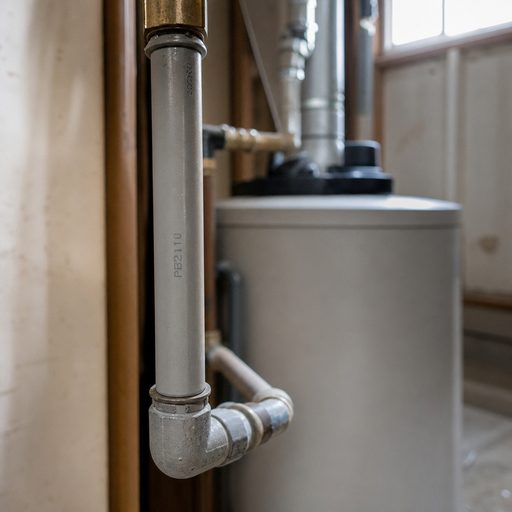
Copper pipes, especially Type L, can last 50 years or more in the right water conditions. PEX pipe is rated for decades—often 40+ years under normal use—but its real-world track record is shorter since widespread use is more recent. Longevity depends on installation quality and water chemistry for both.
What drives the repiping project’s cost most—the material or the labor?
Both material and labor contribute significantly, but PEX’s flexibility often means less labor time, fewer wall cuts, and fewer connections, which can lower the total cost. Copper typically requires more hours for precise cutting and soldering. the related cost guide gives a detailed breakdown of price drivers for each option.
Sources and further reading
These references support material safety, technical, consumer, or planning guidance in this article. Confirm property-specific requirements with the applicable authority and professional.