 Plumbing Advisors Editorial TeamEditorial StandardsUpdated May 6, 2026Source-Checked
Two of the biggest worries homeowners have about repiping are how long they will be living in a construction zone and how long they will be without water. The good news is that a repipe is usually less disruptive than people fear, and a well-run project keeps both the timeline and the downtime contained. Still, it helps to have a realistic picture of what to expect so you can plan around the work, arrange your household, and recognize whether a project is moving along as it should. The actual duration varies with the home, but the rhythm of the work is fairly consistent.
How Long the Work Takes
For a typical single-family home, a repipe is often measured in a small number of days rather than weeks, though larger or more complex houses naturally take longer. Several things stretch or shorten that window, and understanding them helps you set realistic expectations when you get an estimate. The points below are the main factors that shape the timeline.
- The size of the home and the number of bathrooms and fixtures, since more plumbing takes more time.
- The number of stories and the layout, as multi-level homes add complexity to running new lines.
- How accessible the pipes are, with open basements and crawl spaces faster to work in than slab or fully finished walls.
- The pipe material, since a flexible material with fewer connections can sometimes install more quickly.
- Whether drain and vent lines are replaced along with the supply lines.
- The drywall and finish restoration afterward, which is a separate phase that adds to the overall calendar even after the plumbing is done.
How Disruptive It Really Is
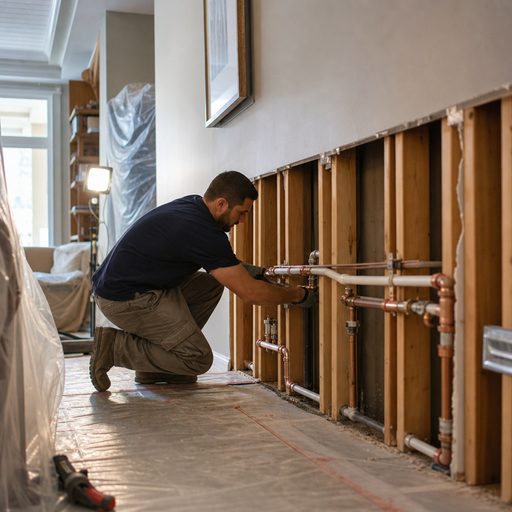
Most repipes let you stay in your home throughout the project. A professional crew protects floors and furnishings, opens only the access points it needs, and works in an organized way to limit the mess. Your water is typically on for much of the project and shut off only during the cutovers from old pipe to new, which the crew can often schedule so you know when to expect it. There will be noise, dust, and some rooms in disarray while the work is underway, but it is a temporary and manageable disruption rather than the gut-renovation many homeowners picture.
Ask about the water-off windows in advance
Before the project starts, ask the crew when and for how long the water will be shut off so you can plan around it. Filling a few containers for drinking and flushing and scheduling errands during a cutover window keeps the downtime from catching your household off guard.
How to Prepare Your Home
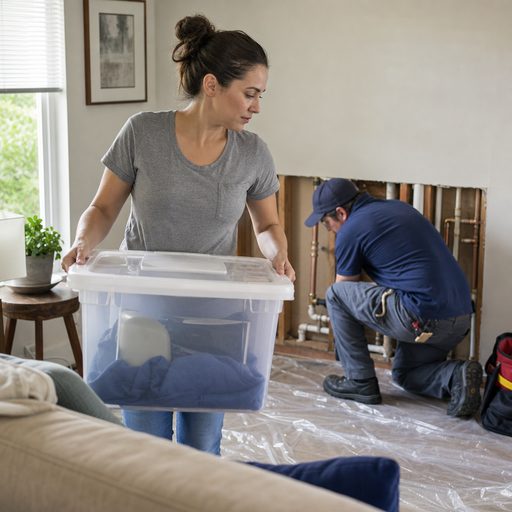
A little preparation makes the work go faster and protects your belongings. Clear access to the areas the crew will work in by moving furniture away from walls, emptying cabinets under sinks, and taking valuables and breakables out of the rooms in play. Make a plan for pets so they are safe and out of the work zone, and set aside what your household will need during any water-off windows. The more easily the crew can reach the pipes, the smoother and quicker the project tends to go, and the less restoration there is afterward.
When to Call a Professional
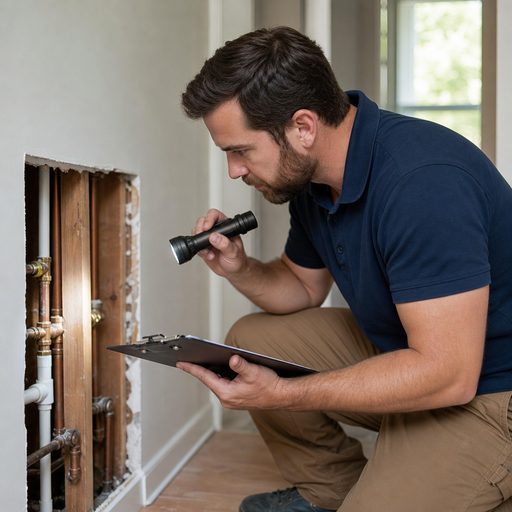
A repipe is a structured project best handled by licensed professionals who can give you a realistic timeline for your specific home. Repiping services can assess your layout, estimate the duration, and plan the water-off windows around your household, while pipe repair is the better fit when only a section needs work rather than the whole system. To understand each stage of the project itself, see our guide on what to expect during a whole-house repipe, and if you are still deciding whether the work is warranted, our overview of whether your house needs repiping can help you weigh repair against replacement.
Sources and further reading
These references support material safety, technical, consumer, or planning guidance in this article. Confirm property-specific requirements with the applicable authority and professional.