
Repiping
Repiping in Oregon
Repiping across Oregon begins with the same useful question: Recommend repiping only when documented failures show a system-wide pattern that isolated repairs cannot solve reliably. State context can guide credential and permit checks, but it cannot diagnose a specific property.
Plumbing Advisors provides guidance and connection assistance. Independent providers perform the plumbing work and confirm availability, pricing, timing, and credentials.
On this pageOverview
 Plumbing Advisors Editorial TeamEditorial StandardsSource-Checked
Repiping across Oregon
Repiping across Oregon begins with the same useful question: Recommend repiping only when documented failures show a system-wide pattern that isolated repairs cannot solve reliably. State context can guide credential and permit checks, but it cannot diagnose a specific property.
Pipe age or material alone does not prove whole-home replacement; scope should follow documented condition and goals.
When repiping may fit
- Leaks keep appearing in different spots, not just one pipe
- Your home still has galvanized steel or polybutylene pipe
- Water comes out rusty, discolored, or with a metallic taste
- Pressure has dropped across the whole house, not one fixture
- A plumber has found widespread corrosion during another repair
Causes or scope drivers to inspect
- Galvanized steel pipe rusting and closing up from the inside
- Polybutylene pipe that has grown brittle and leak-prone with age
- Copper developing pinhole leaks from water chemistry over decades
- High water pressure stressing joints and fittings throughout the system
- Mixed or incompatible past repairs that keep failing
- Original pipes simply reaching the end of their service life
Comparing a repiping quote
For repiping in Oregon, compare itemized quotes for the same inspected scope. Access, testing, equipment or parts, permits, restoration, and urgency can affect the final price.
Typical repiping costs
| Project | Typical cost range |
|---|---|
| Partial repipe (one bathroom or run) | $1,350–$5,500 |
| Whole-home repipe (overall range) | $4,000–$19,000 |
| PEX whole-home repipe | $3,500–$14,000 |
| Copper whole-home repipe | $8,000–$27,500 |
Per-item costs
| Item or service | Typical cost range |
|---|---|
| Repiping priced per fixture | $480–$1,600 per unit |
Additional project costs
| Additional work | Typical cost range |
|---|---|
| Drywall patch and paint after access | $600–$4,250 |
Cost ranges are estimates developed from standardized project scopes and reviewed pricing inputs. Government labor and regional cost data are used where applicable. See our Pricing Methodology for the exact sources, calculations, and review date. Actual prices vary by property, scope, materials or equipment, location, and provider.
What affects the cost
- Whole-home versus a partial repipe of only the failing runs
- Pipe material, with copper generally costing more than PEX
- Home size, number of stories, and the number of fixtures served
- How easy the pipes are to reach behind walls, floors, and slabs
- Drywall, tile, and finish repair needed after access is opened
- Permits and inspections where local code requires them
- Regional labor rates and crew size
State guidance for Oregon
For repiping in Oregon, prepare fixture count, routing, access openings, occupied-area protection, shutoffs, permits, testing, and restoration. Confirm the inspected scope, credentials, permits, inspections, exclusions, and restoration responsibility before authorizing work.
Credential verification
Plumbing in Oregon is regulated by the Building Codes Division (BCD), part of the Department of Consumer and Business Services, with help from the State Plumbing Board. For most plumbing work you should hire a state-licensed plumbing contractor and individual licensee, and you can confirm a license through the BCD's license holder search.
BCD issues individual plumbing licenses (such as apprentice, journeyman, and plumbing contractor levels) as well as business contractor licenses, plus limited specialty plumbing licenses for narrower work. It is fair to ask which license a plumber holds and to verify it before work begins.
Permits and inspections
Building and plumbing permits in Oregon are issued by local building departments, not the state, so requirements and fees vary by city and county. The person doing the work — homeowner or contractor — is responsible for pulling the permit, and BCD's Minor Label Program lets contractors handle certain minor installations (like water heater replacements) through a streamlined label in place of a full permit. Some ordinary minor repairs are exempt, so always check your local building department first.
Relevant water context
Water hardness in Oregon varies widely by source. Portland's Bull Run supply is very soft (often only a few parts per million), while groundwater and many communities in the Willamette Valley and eastern Oregon are moderately hard, where mineral-rich geology raises hardness. Harder water leaves scale that can shorten water heater and fixture life over time.
What to expect
- 1Have a plumbing professional inspect the system and confirm a repipe is warranted
- 2Agree on scope: whole-home or just the failing runs, and the pipe material
- 3Pull any permits your local code requires before work begins
- 4Shut off water and open access points in walls, floors, or ceilings as needed
- 5Run and connect the new pipe, then pressure-test every line
- 6Restore water, confirm pressure and water quality, and patch the openings
Safe checks before the visit
- Look at exposed pipes in the basement or crawl space for rust or green-blue staining
- Note whether discolored water clears after running the tap or stays cloudy
- Check whether low pressure affects the whole house or just one fixture
- Keep a simple list of where and how often leaks have happened
- Know where your main water shutoff is in case a leak starts
Repiping by city in Oregon
Related plumbing problems
Repiping in Oregon: FAQs
How do I prepare for repiping in Oregon?
Document whether failures repeat across unrelated sections and whether pressure or water quality problems are system-wide and prepare fixture count, routing, access openings, occupied-area protection, shutoffs, permits, testing, and restoration. Ask the professional to confirm the inspected scope, credential, permit responsibility, and exclusions in writing.
Does Oregon guidance diagnose my repiping problem?
No. State information helps with credential, permit, and planning questions. The cause, responsibility, and repair or project scope still need to be confirmed for the specific property.
How do I know if I need a repipe instead of another repair?
The strongest sign is a pattern. One leak on otherwise sound pipe is a repair, but pinhole leaks or failures appearing across the house, especially on galvanized or polybutylene pipe, usually mean the material itself is wearing out. A plumbing professional can inspect the overall condition and tell you whether repeated repairs or a repipe makes more sense.
Is PEX or copper better for a repipe?
Both are widely used and code-approved in most areas. PEX is flexible, faster to install, and resists freezing and corrosion, which often makes it less expensive. Copper is rigid, long-proven, and some homeowners prefer it for its track record. The best choice depends on your home, local code, and budget, so it is worth discussing with the plumber.
Do my walls have to be torn open?
Some access is almost always needed, since pipes run inside walls, floors, and ceilings. A good crew opens as few, and as small, areas as possible and works from existing access points where they can. Ask up front how much drywall will be opened and who handles patching and paint afterward.
How long does a whole-house repipe take?
Many single-family homes are repiped in a few days, though larger homes or those with difficult access can take longer. Water is typically off for portions of the work and restored by the end of each day where possible. Your plumber can give a realistic timeline once they have seen the home.
Will I have to move out during the work?
Most homeowners can stay, since water is usually restored at the end of the work day, but expect dust, noise, and stretches with the water shut off. If access is extensive, some people choose to be away during the day. The plumber can tell you what to expect for your specific layout.
Sources
These public and primary references support the state, safety, credential, permit, equipment, or efficiency guidance used here. They do not diagnose a specific property.
- U.S. EPA WaterSense - Home maintenance
- U.S. EPA WaterSense - Fix a Leak Week
- NSF - Faucets and plumbing products
- NSF - Safety of PEX plumbing products
- Oregon Building Codes Division — individual and contractor licenses
- Oregon Building Codes Division — State Plumbing Board
- Oregon Building Codes Division — about residential building permits (local departments)
- City of Portland — 2025 Drinking Water Quality Report (Bull Run hardness)
Repiping guides
Learn before planning repiping in Oregon.
Read related problem, scope, cost, and planning guidance before comparing options.
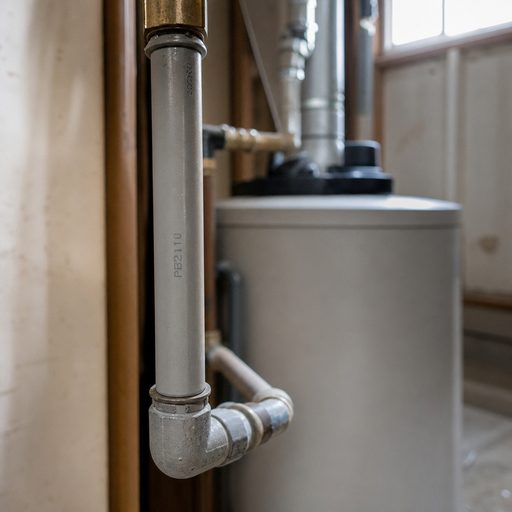
What Is Polybutylene Pipe and Should You Replace It?
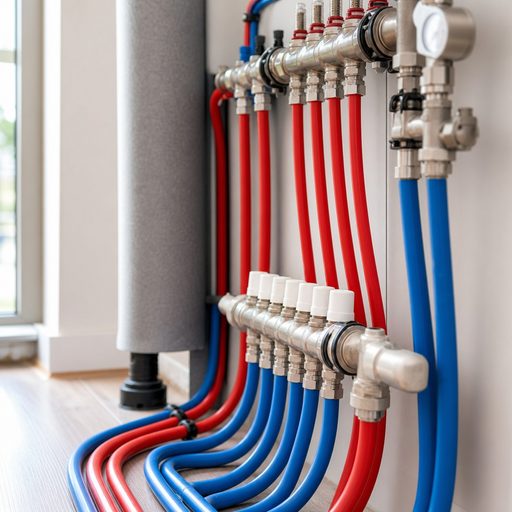
Is PEX Safe for Drinking Water?
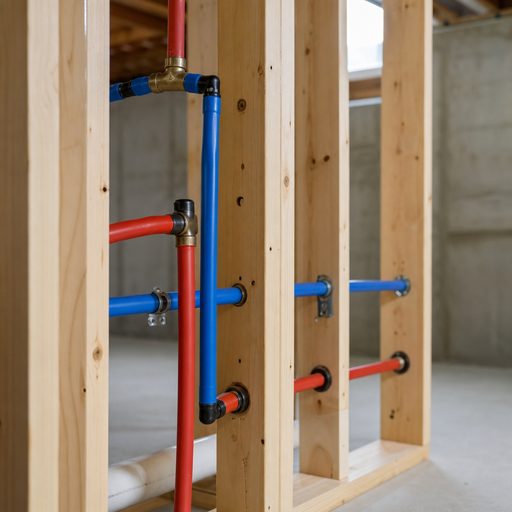
How Long Does PEX Plumbing Last?
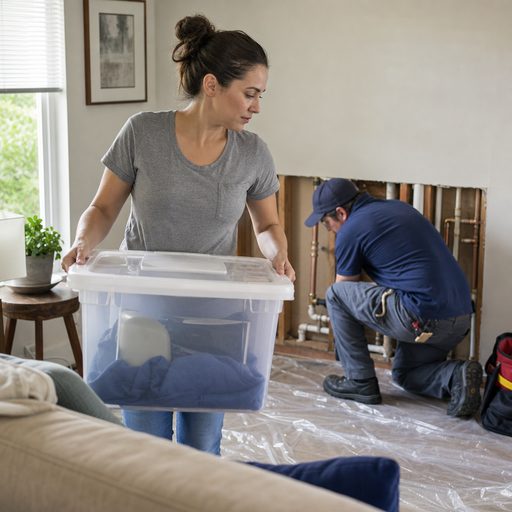
How Long Does a Repipe Take, and How Disruptive Is It?
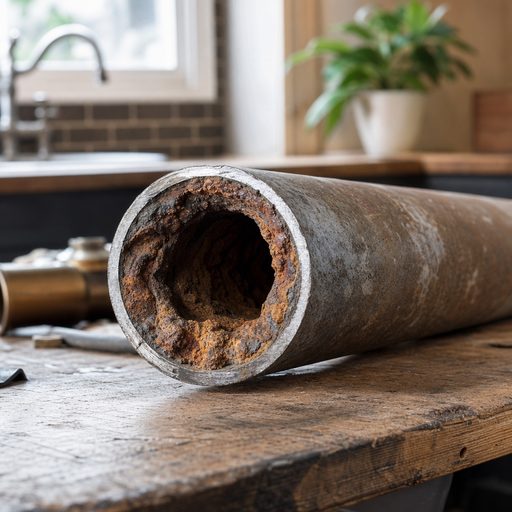
What Damages Home Pipes: Corrosion, Pressure, and Water Chemistry
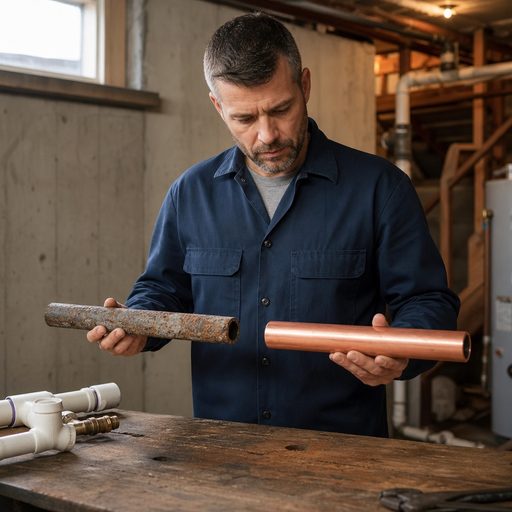
Pipe Repair vs. Section Replacement vs. Whole-Home Repipe
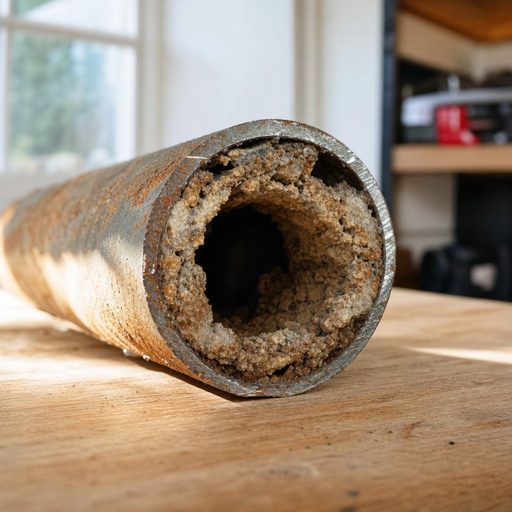
Galvanized and Polybutylene Pipe Risks Explained
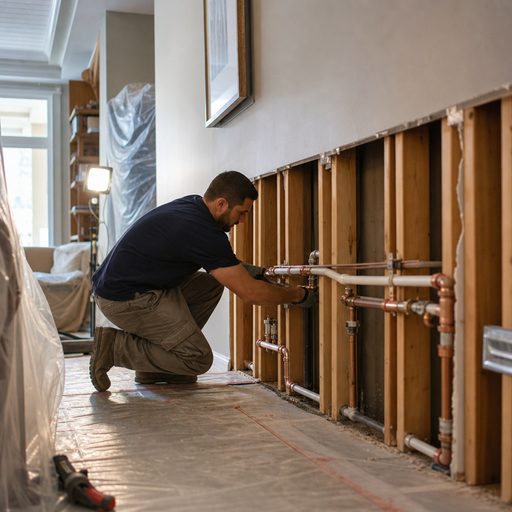
What to Expect During a Whole-House Repipe
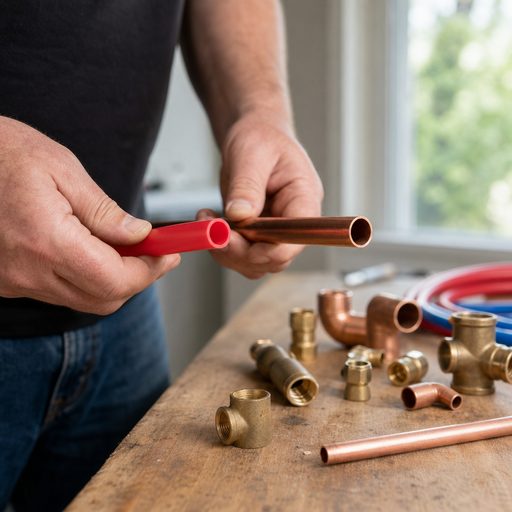
PEX vs. Copper for a Repipe: How to Choose
Need Plumbing Help Now?
Call Plumbing Advisors to connect with help for leaks, drains, water heaters, sewer lines, burst pipes, toilets, faucets, and more.
No-obligation request · Availability varies by location and provider