 Plumbing Advisors Editorial TeamEditorial StandardsSource review July 31, 2026Source-Checked
Document why a larger replacement is being recommended
One failed section or a system-wide pattern?
First separate interior supply piping from a possible water-service-line problem, then require evidence that repeated failures or observed condition justify replacement beyond one section.
One leak does not automatically justify a whole-home repipe. A broader scope should be tied to repeated failures, documented material or condition, access, and a clear comparison with a targeted repair.
What points toward repair, partial replacement, or repiping
Look for a pattern across rooms and over time. The decision becomes more useful when the proposal identifies the affected material and endpoints instead of relying on the home's age or city alone.
| What you notice | What it may indicate | What to do next |
|---|---|---|
| One accessible fitting or short section has failed | The problem may still be isolated | Ask whether the surrounding pipe was inspected and whether a targeted repair remains reasonable. |
| Leaks have occurred on different runs or in different rooms | A wider material or condition problem may be developing | Bring the repair history to the Chicago assessment and ask the provider to map each failure. |
| Pressure is weak at several fixtures | The cause may involve valves, service pressure, buildup, or the private supply system | Separate a utility or valve issue from pipe condition before using low pressure to justify repiping. |
| Discoloration appears at more than one tap | The water source, utility work, water heater, or supply piping may need to be distinguished | Check utility notices and ask what testing or inspection supports the proposed pipe scope. |
| A whole-home proposal follows one leak | The recommendation may be broader than the documented problem | Request the observed material, endpoints, photos, alternatives, and exclusions in writing. |
Separate a Chicago service-line issue from interior repiping
Chicago directs suspected water-service-line leaks to 311 so the City can determine whether a break is on the public or private side. The program excludes interior plumbing, so a whole-home repipe proposal should not blur the service line and the home's internal supply system.
Water appears near the service entry or outside
Contact Chicago 311 for the service-line assessment before folding that segment into an interior repipe bid.
Failures are limited to interior supply piping
Keep the proposal focused on the observed indoor material, failed runs, and replacement endpoints.
The bid combines service-line and interior work
Separate each system, responsible party, permit path, and restoration item in writing.
The plumbing license cannot be confirmed
Use the Illinois Department of Public Health verification resource before authorizing the work.
A Chicago 311 finding establishes the public-versus-private service-line boundary. It does not determine whether interior piping needs partial or whole-home replacement.
Sources: Breaks and Leaks Replacement Program, Plumbing
Compare repiping help in Chicago
Describe where leaks or pressure problems have occurred, what pipe material was actually observed, and what scope has already been proposed.
No-obligation request · Availability varies by location and provider
What professional repiping service does
When pipes start failing one leak after another, replacing them can cost less over time than patching them again and again. Plumbing Advisors helps you understand whole house repiping and connect with the right help.
A repiping assessment should map the existing supply system, identify the material and accessible condition, review prior failures, and distinguish one damaged section from a wider pattern. The provider should show what supports a partial or whole-home recommendation.
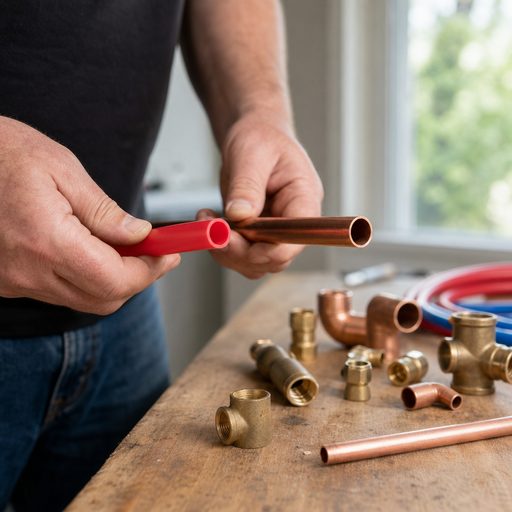
A useful proposal defines the replacement endpoints, material, access openings, fixture connections, pressure testing, permits or inspections, and restoration responsibility. That lets homeowners compare the same work rather than comparing headline totals with different omissions.
Why a larger pipe replacement may be considered
Leaks in more than one location
Repeated failures on different runs can justify evaluating the system beyond the newest leak, but the pattern still needs to be documented.
Sources: WaterSense - Leak Detection and Flow Monitoring Devices
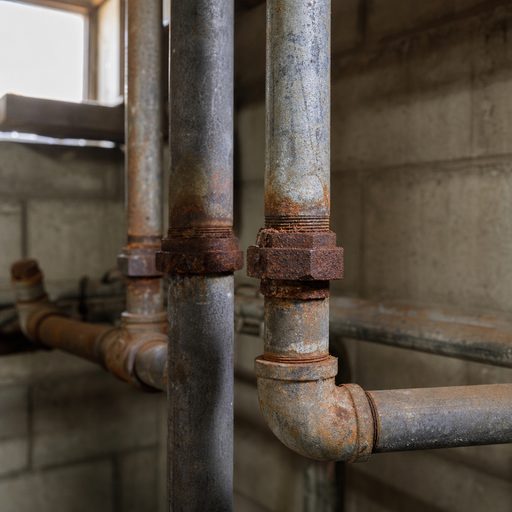
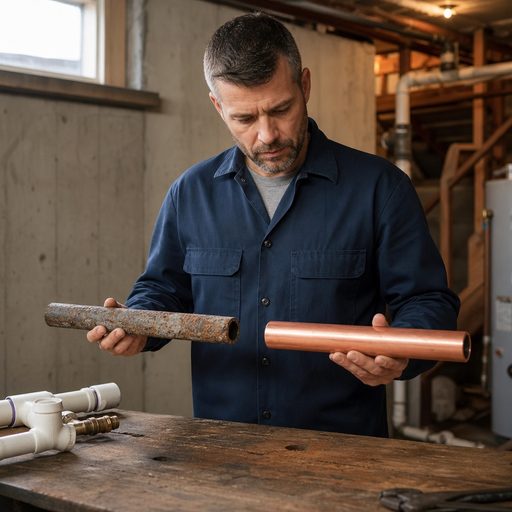
Observed corrosion or aging pipe
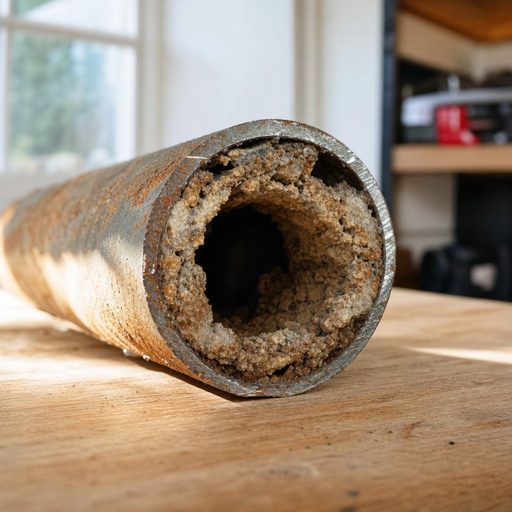
EPA lists older piping and corrosion among possible leak factors. A proposal should identify the actual material and condition rather than infer both from the home's age.
Sources: WaterSense - Leak Detection and Flow Monitoring Devices
Pressure or installation concerns
Irregular pressure and installation problems can contribute to failures. Those conditions should be measured or observed before they are used to justify a larger scope.
Sources: WaterSense - Leak Detection and Flow Monitoring Devices
An isolated fitting or accessible section
When the damage is limited and the surrounding pipe is sound, a targeted repair or partial replacement may remain the more proportionate option.
Sources: WaterSense - Home Maintenance
What to document before comparing proposals
- List each leak, its date, location, and the pipe material reported or photographed.
- Note whether low pressure or discolored water affects one fixture or several areas of the home.
- Photograph exposed piping and labels without removing walls, ceilings, or insulation.
- Ask whether the proposal is partial or whole-home and where the new piping begins and ends.
- Do not disturb active leaks or force an old shutoff valve that does not move normally.
Do not let one symptom define a whole-home scope
A meter change, one pinhole leak, or one low-pressure fixture does not establish that every supply line needs replacement. Ask what was inspected and what evidence supports the proposed endpoints.
Sources: WaterSense - Home Maintenance, WaterSense - Leak Detection and Flow Monitoring Devices
When the immediate leak comes before the repipe decision
Control an active interior leak or report a suspected service-line break before debating a full repipe. Once the immediate issue is stable, document which system and pipe runs are actually affected.
- Water is actively flowing from interior supply piping
- Water is surfacing near the service entry or public way
- A safe, accessible shutoff does not control the leak
- Moisture is spreading toward electrical equipment or occupied rooms
Sources: Breaks and Leaks Replacement Program, A Brief Guide to Mold, Moisture and Your Home
How to compare the available scopes
The right scope follows the condition that was actually found. Compare the same material, endpoints, access, testing, permit work, and restoration responsibility across every proposal.
| Method | Where it may fit | Important limitation |
|---|---|---|
| Targeted pipe repair | One documented failure with sound surrounding pipe | It does not address deterioration that is confirmed elsewhere in the system. |
| Partial repipe | A defined group of failing runs or one area that can be separated from sound piping | The proposal must show the transition points and what older pipe remains. |
| Whole-home repipe | A documented system-wide material or failure pattern | Access, fixture connections, testing, permits, and finish repair can change the total scope substantially. |
Sources: WaterSense - Leak Detection and Flow Monitoring Devices
What genuinely changes repiping plans in Chicago
Chicago 311 assesses suspected water-service-line breaks
The City uses 311 and a crew assessment to determine whether a service-line break is public or private. Keep that result separate from the condition of interior supply piping.
Sources: Breaks and Leaks Replacement Program
Interior plumbing is outside the City's service-line program
Chicago states that interior leaks are private-property issues. A repiping proposal therefore needs its own inspection findings rather than relying on service-line program eligibility.
Sources: Breaks and Leaks Replacement Program
Illinois licenses plumbing repair and maintenance work
The Illinois Department of Public Health provides license verification. Match the person and business information to the written proposal before work begins.
Sources: Plumbing
Comparing a repiping estimate
A Chicago repiping estimate should define the same material, endpoints, fixture connections, access, testing, permit work, and restoration before totals are compared.
Scope factors
- Partial versus whole-home replacement and the exact transition points
- Pipe material, fittings, fixture count, and number of stories
- Access through walls, ceilings, floors, cabinets, or other finishes
- Temporary water interruptions, pressure testing, and final connections
- Permit and inspection responsibility for the defined work
- Drywall, tile, paint, and other finish restoration exclusions
Questions for the estimate
- What observed condition supports partial or whole-home replacement?
- Where does the new piping begin and end, and what older pipe remains?
- Are access, permits, inspection, testing, and finish repair included?
- How do the material, connections, and warranty compare across bids?
What to tell Plumbing Advisors
Bring the leak history, observed material, affected fixtures, and written proposals so the scope can be compared without relying on memory.
- The date and location of each pipe failure at the Chicago property
- Photos or notes identifying pipe material that was actually observed
- Whether pressure or discoloration affects one fixture or several areas
- The beginning and ending points of every proposed replacement run
- Which access, testing, permits, inspections, and finish repairs each bid includes
- What pipe remains after a partial repipe and why the transition points were chosen
Plumbing Advisors does not dispatch its own local technicians. The independent professional is responsible for confirming availability, credentials, diagnosis, price, warranty terms, and work performance.
Repiping in Chicago: frequently asked questions
Is a Chicago water-service replacement the same as repiping the house?
No. The service line connects the property to the public water system, while an interior repipe replaces supply runs inside the property. A proposal that includes both should separate the scope and responsibility for each.
When should I call Chicago 311 about a pipe problem?
Chicago directs suspected water-service-line leaks or breaks to 311 so a City crew can determine the public-versus-private boundary. Interior plumbing failures remain private-property work.
How do I verify a Chicago repiping professional?
Illinois requires plumbing work to be performed under the state's licensing rules and provides an online verification resource. Match the license record to the person and business named on the proposal.
What should a Chicago partial-repipe bid show?
It should identify each replacement run, transition point, material, fixture connection, access opening, test, permit or inspection responsibility, and the older pipe that remains.
Sources and editorial methodology
Sources are included when they substantively support a local, safety, technical, or consumer decision on this page.
- Chicago, Illinois, and federal sources support the service-line boundary, license verification, leak factors, and moisture response.
- Property age is not used to infer interior pipe material or justify a repipe.
U.S. Environmental Protection Agency
WaterSense - Home MaintenanceU.S. Environmental Protection Agency
WaterSense - Leak Detection and Flow Monitoring DevicesU.S. Environmental Protection Agency
A Brief Guide to Mold, Moisture and Your HomeCity of Chicago
Breaks and Leaks Replacement ProgramIllinois Department of Public Health
Plumbing