
Pipe Repair
Pipe Repair in New Jersey
Pipe Repair across New Jersey begins with the same useful question: Identify the failed pipe section and whether a localized repair will leave sound adjacent material. State context can guide credential and permit checks, but it cannot diagnose a specific property.
Plumbing Advisors provides guidance and connection assistance. Independent providers perform the plumbing work and confirm availability, pricing, timing, and credentials.
On this pageOverview
 Plumbing Advisors Editorial TeamEditorial StandardsSource-Checked
Pipe Repair across New Jersey
Pipe Repair across New Jersey begins with the same useful question: Identify the failed pipe section and whether a localized repair will leave sound adjacent material. State context can guide credential and permit checks, but it cannot diagnose a specific property.
Concealed, pressurized, gas, fire-sprinkler, and service-line work requires the appropriate qualified trade.
When pipe repair may fit
- A pipe is dripping, leaking, or sweating heavily
- You see corrosion or discoloration on pipes
- Water pressure dropped due to a pipe issue
- A pipe was damaged by freezing or impact
Causes or scope drivers to inspect
- Corrosion in aging metal pipes
- Freezing and thawing that cracks pipes
- High water pressure stressing joints
- Physical damage or shifting
- Poor past repairs or incompatible materials
Comparing a pipe repair quote
For pipe repair in New Jersey, compare itemized quotes for the same inspected scope. Access, testing, equipment or parts, permits, restoration, and urgency can affect the final price.
Typical pipe repair costs
| Project | Typical cost range |
|---|---|
| Single leak repair, accessible pipe | $175–$680 |
| Leak repair behind a wall, floor, or ceiling | $430–$1,675 |
| Whole-home repipe | $4,325–$19,500 |
Service-call fees
| Service | Typical cost range |
|---|---|
| Diagnostic / service call | $75–$240 per visit |
Additional project costs
| Additional work | Typical cost range |
|---|---|
| Drywall patch and paint after access | $215–$910 |
Cost ranges are estimates developed from standardized project scopes and reviewed pricing inputs. Government labor and regional cost data are used where applicable. See our Pricing Methodology for the exact sources, calculations, and review date. Actual prices vary by property, scope, materials or equipment, location, and provider.
What affects the cost
- Location of the pipe and how easy it is to reach behind walls, floors, or ceilings
- Length and amount of pipe that must be repaired or replaced
- Pipe material, with copper generally costing more than PEX, and whether mismatched materials must be joined
- Whether the job is an isolated spot fix or part of a larger partial or whole-home repipe
- Water damage or drywall and finish repair that needs addressing alongside the pipe work
- Permits, where local code requires them for pipe work
- Regional labor rates and whether the visit is after-hours
State guidance for New Jersey
For pipe repair in New Jersey, prepare shutoff, wall or floor access, pipe material, connection method, and restoration boundary. Confirm the inspected scope, credentials, permits, inspections, exclusions, and restoration responsibility before authorizing work.
Credential verification
Plumbing in New Jersey is regulated by the State Board of Examiners of Master Plumbers, part of the New Jersey Division of Consumer Affairs. The Board exists to protect public health and safety and to ensure plumbing is performed in compliance with state law, so for most plumbing work you should hire a state-licensed plumber.
The Board licenses apprentice plumbers, journeyman plumbers, and master plumbers, with master plumbers renewing every two years and completing continuing education. You can verify a license through the Division of Consumer Affairs online license verification system before you hire.
Permits and inspections
Plumbing work in New Jersey falls under the statewide Uniform Construction Code (UCC), whose plumbing subcode is based on the National Standard Plumbing Code, but permits are issued and inspected locally. You apply through your municipality's construction or code office, and forms, fees, and review timelines vary from town to town. A licensed plumber typically signs and seals the plumbing application, though an owner-occupant of a single-family home may qualify to do their own work; required inspections still apply, so check with your local construction office first.
Relevant water context
Water hardness in New Jersey varies widely by region and source rather than following one statewide level. Northern systems drawing on reservoirs and surface water tend to be softer, while parts of central and southern New Jersey that rely on groundwater can be considerably harder. Because hardness can differ between neighboring towns, check your water utility's annual quality report; where water is hard, scale shortens water heater and fixture life.
What to expect
- 1Locate the leaking or damaged pipe section
- 2Shut off water to the area if it is safe and accessible
- 3Connect with a plumbing professional that services your area
- 4Have the pipe inspected to assess the damage
- 5Repair or replace the affected section
- 6Test for leaks and restore normal pressure
Safe checks before the visit
- Shut off water to the affected area if it is safe and accessible
- Identify where the leak or damage is
- Place a container to catch dripping water
- Avoid pressurized pipe repairs yourself
Pipe Repair by city in New Jersey
Related plumbing problems
Pipe Repair in New Jersey: FAQs
How do I prepare for pipe repair in New Jersey?
Document whether the leak is visible, concealed, pressure-related, freeze-related, or recurring near prior repairs and prepare shutoff, wall or floor access, pipe material, connection method, and restoration boundary. Ask the professional to confirm the inspected scope, credential, permit responsibility, and exclusions in writing.
Does New Jersey guidance diagnose my pipe repair problem?
No. State information helps with credential, permit, and planning questions. The cause, responsibility, and repair or project scope still need to be confirmed for the specific property.
Can a leaking pipe be repaired, or does it need replacement?
It depends on the cause and condition. A single damaged section can often be repaired, but widespread corrosion may call for replacing a larger run of pipe. A professional inspection determines the right approach.
Why do pipes corrode?
Corrosion can come from the age and type of pipe, water chemistry, and high pressure over time. Older metal pipes are especially prone to it, which can lead to pinhole leaks.
What should I do about a pipe that froze?
Shut off the water if you can do so safely, since a frozen pipe may crack and leak when it thaws. Then have it inspected. Our guide on preventing frozen pipes covers steps to reduce the risk.
Sources
These public and primary references support the state, safety, credential, permit, equipment, or efficiency guidance used here. They do not diagnose a specific property.
- U.S. EPA WaterSense - Home maintenance
- U.S. EPA WaterSense - Fix a Leak Week
- NSF - Faucets and plumbing products
- NSF - Safety of PEX plumbing products
- NJ Division of Consumer Affairs — State Board of Examiners of Master Plumbers
- NJ Division of Consumer Affairs — license verification
- NJ Dept. of Community Affairs — Uniform Construction Code overview
- NJDEP — Lead service line replacement and aging infrastructure
Pipe Repair guides
Learn before planning pipe repair in New Jersey.
Read related problem, scope, cost, and planning guidance before comparing options.
What Is Polybutylene Pipe and Should You Replace It?
How Long Does PEX Plumbing Last?
At What Temperature Do Pipes Freeze?
What Happens After a Leak Is Found
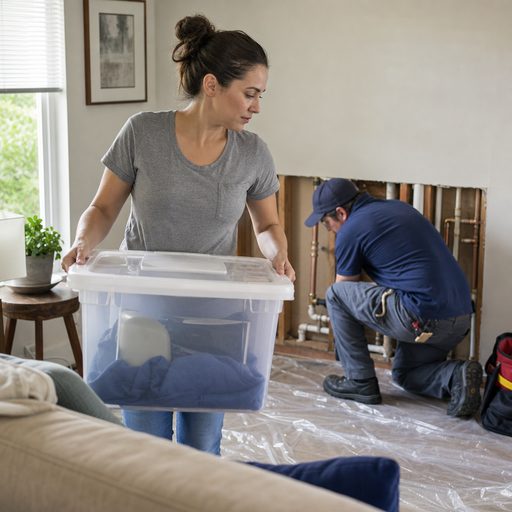
How Long Does a Repipe Take, and How Disruptive Is It?
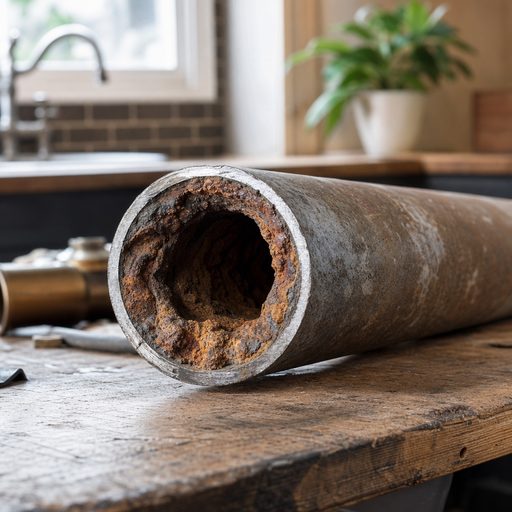
What Damages Home Pipes: Corrosion, Pressure, and Water Chemistry
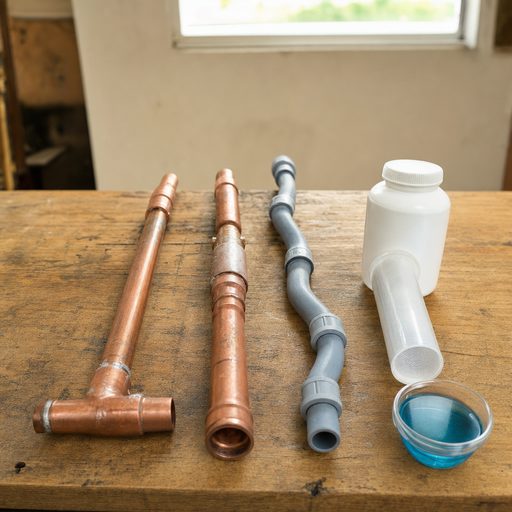
Slab Leak Repair Options: Spot Repair, Reroute, or Lining
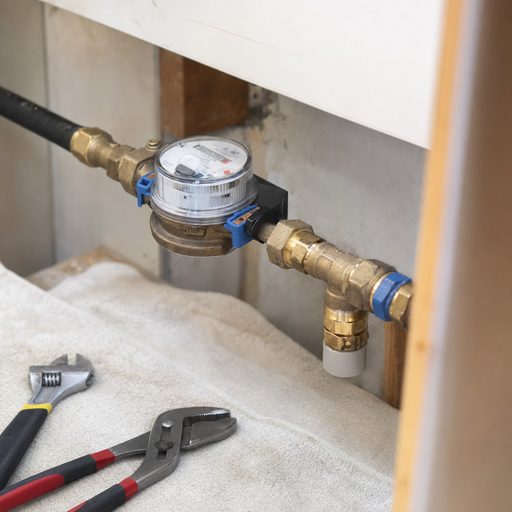
The Safe Water-Meter Leak Test, Step by Step
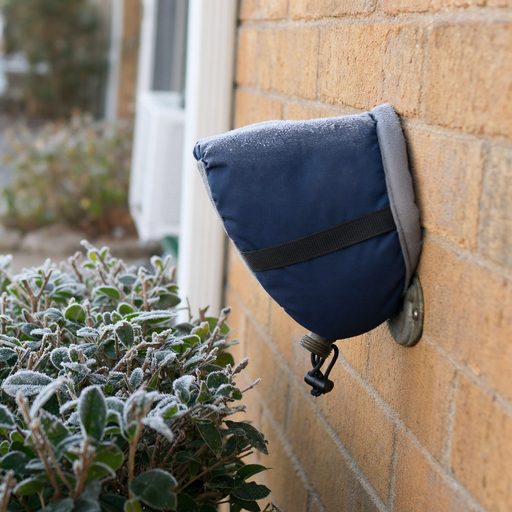
Dallas Plumbing: Preparing for Hard Freezes
Need Plumbing Help Now?
Call Plumbing Advisors to connect with help for leaks, drains, water heaters, sewer lines, burst pipes, toilets, faucets, and more.
No-obligation request · Availability varies by location and provider