 Plumbing Advisors Editorial TeamEditorial StandardsUpdated April 15, 2026Source-Checked
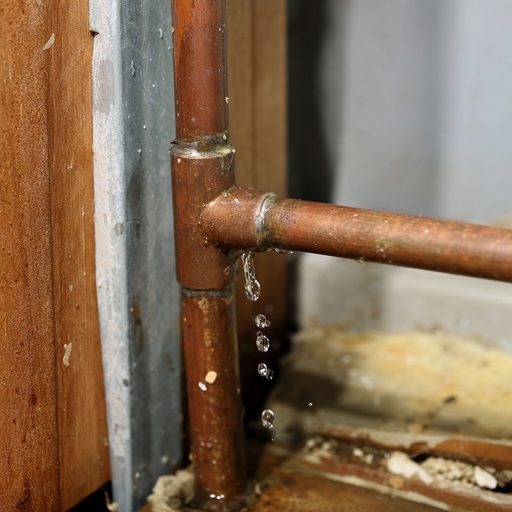
Most people picture a leak as a visible drip, but the leaks that do the most damage rarely show themselves so plainly. A pipe weeping inside a wall or under a floor can run for months, and by the time water appears on the surface, the real problem has often spread well beyond where you first see it. The good news is that hidden leaks leave a trail of quieter clues. Learning to read these subtle signals, especially when more than one appears at once, can help you catch a leak while it is still small and before it turns into a costly repair.
Clues You Can Hear, Smell, and Feel
Your senses often pick up a hidden leak before your eyes do. A faint sound, an unfamiliar odor, or a change in how a surface feels underfoot can all hint that water is moving where it should not be. Pay attention to the following, particularly when nothing in the home is running.
- A faint hiss, trickle, or rushing sound in the walls when every faucet and appliance is off.
- A persistent musty or earthy smell concentrated in one room, closet, or cabinet.
- A warm patch on the floor, which can point to a hot water line leaking beneath it.
- Floor tiles or laminate that feel loose, spongy, or unexpectedly cool in one spot.
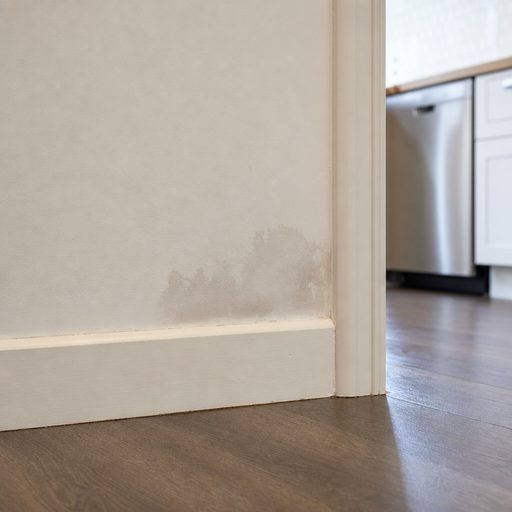
- Condensation, sweating, or a damp feel on a wall or baseboard that stays even in dry weather.
Clues Hiding in Your Home and Bills
Some of the most telling signs are easy to dismiss because they build up slowly. A water bill that creeps higher with no change in your habits is a classic example, and so is a water heater that seems to run more often than it used to, which can hint at a hot water line losing water somewhere out of sight. Indoors, watch for paint that bubbles or cracks, wallpaper that peels at a seam, baseboards that warp, or a faint discoloration that spreads on a ceiling. Outdoors, an unexplained patch of grass that is greener, lusher, or soggier than the lawn around it can signal an underground supply line leak. None of these prove a leak on their own, but several together make one much more likely.
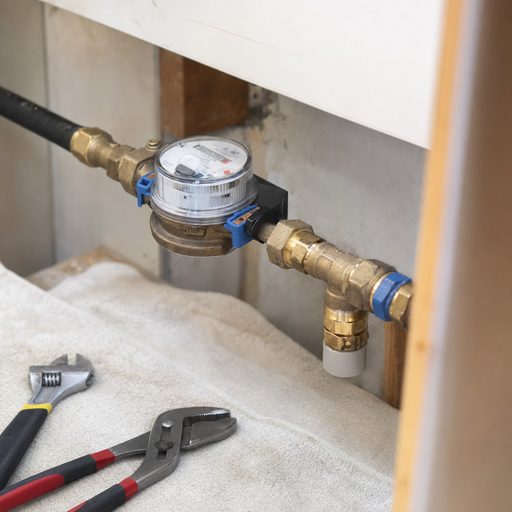
Confirm your suspicion with a meter check
If a few subtle signs point to a leak, a simple water meter test can tell you whether water is escaping somewhere in the system before you call anyone. It is a safe homeowner check that turns a vague worry into useful information you can share with a professional.
Why Subtle Leaks Deserve Attention
It is easy to put off a leak that is not actively flooding anything, but small concealed leaks rarely stay small. Moisture trapped inside a wall or under a floor feeds mold, softens framing, ruins insulation, and can quietly weaken the structure long before you see obvious damage. Acting on the early clues, rather than waiting for a stain or a puddle, usually means a simpler repair and far less restoration work afterward. The longer water moves through hidden spaces, the wider the damage tends to spread.
When to Call a Professional
If the subtle signs add up but you cannot see a source, resist the urge to open walls or pull up flooring on a hunch, since guessing wrong causes damage and rarely finds the leak. Leak detection service uses acoustic, moisture, and thermal tools to locate a concealed leak without unnecessary demolition, and pipe repair can then fix an accessible line once the source is confirmed. To turn your suspicion into something concrete before you call, our guide on the water meter leak test walks through a safe check step by step, and if you want to understand what kind of leak you may be dealing with, supply line versus drain versus slab leak explains how the sources differ.
Sources and further reading
These references support material safety, technical, consumer, or planning guidance in this article. Confirm property-specific requirements with the applicable authority and professional.