 Plumbing Advisors Editorial TeamEditorial StandardsUpdated May 22, 2026Source-Checked
Finding water in the cabinet under your kitchen sink is unsettling, and the garbage disposal is one of the most common sources. The good news is that a leaking disposal almost always drips from one of a few predictable spots, and once you know where to look, you can often identify the source before you call for help. Some leaks point to a simple loose connection, while others signal that the unit itself has reached the end of its life. Knowing the difference helps you decide whether a minor fix will do or whether the disposal needs to be replaced.
Where Disposals Usually Leak
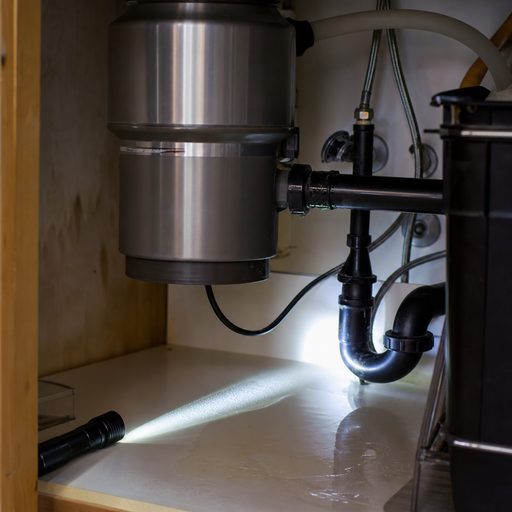
A disposal has several connection points, and a leak at each one tends to mean something different. The flange at the top, where the unit meets the sink drain, can loosen or lose its seal over time. The connections on the side, where the dishwasher hose and the drain pipe attach, can work loose or develop worn gaskets. A leak from the very bottom of the unit is the most serious sign, because it usually means the internal seals have failed and water is escaping through the housing itself.
- The top flange, where the disposal meets the sink, often from a loosened mounting or dried-out sealant.
- The side drain connection, where the pipe carries water away, sometimes from a loose nut or worn gasket.
- The dishwasher hose connection, if your dishwasher drains through the disposal.
- The bottom of the unit, which typically points to failed internal seals and an aging disposal.
- A cracked body, which can develop with age or after a hard freeze and means the unit needs replacing.
How to Find the Source Safely
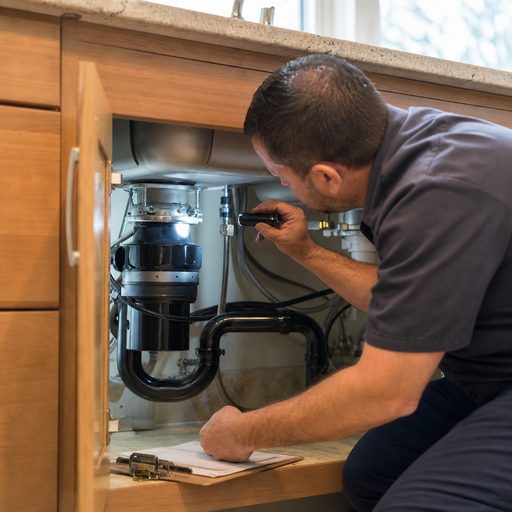
You can narrow down the source with a simple, safe check, no tools inside the unit required. With the disposal switched off, dry everything under the sink completely with a towel so you start from a clean baseline. Then place a stopper in the sink, fill the basin partway with water, and add a little dish soap so any drip is easy to see. Pull the stopper and watch each connection as the water drains, using a flashlight. A drip that appears at the top points to the flange, a drip from the side points to a drain or hose connection, and water collecting at the very bottom points to the unit itself. Note where the water first appears, since that is the spot a plumber will want to address.
Cut the power before inspecting the disposal
Before you look closely at or touch the disposal, turn the disposal switch off and unplug the unit or shut off its breaker. Never put your hand inside the disposal, even when you believe the power is off. Water and an electric appliance are a dangerous combination, so keep the unit powered down while you inspect it.
What You Can and Cannot Address
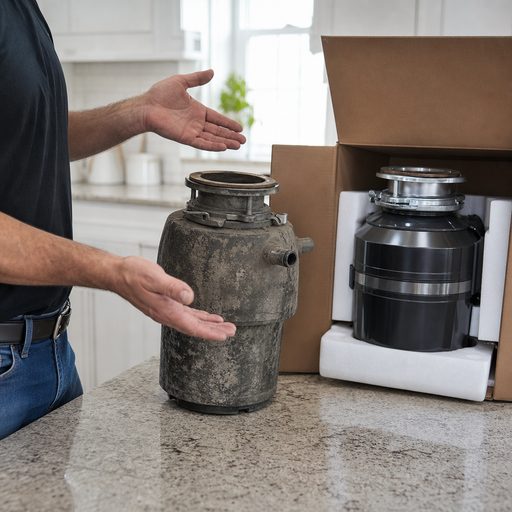
Some leaks have simple explanations that are worth ruling out. A connection that has merely worked loose can sometimes be the whole story, and confirming that the leak is coming from a fitting rather than the body of the unit tells you a lot about how serious the problem is. What you should not do is keep running a disposal that is leaking from the bottom, because a failed-seal leak will not get better and the water can damage the cabinet and floor beneath it. If the leak is at the housing or the unit is cracked, the disposal has reached the end of its service life and needs to be replaced rather than patched.
When to Call a Professional
If a leak persists after you have identified it, or if water is coming from the bottom of the unit, a garbage disposal repair service can reseal the connections or replace the disposal safely. When the housing has failed or the unit is simply old, garbage disposal installation is usually the lasting fix, and a pro can fit a properly sealed replacement. To decide whether resealing or replacing makes more sense for your unit, see our guide on whether to repair or replace your garbage disposal, and our guide on garbage disposal repair and replacement cost can help you understand how each path is typically priced.
Sources and further reading
These references support material safety, technical, consumer, or planning guidance in this article. Confirm property-specific requirements with the applicable authority and professional.