 Plumbing Advisors Editorial TeamEditorial StandardsUpdated July 5, 2026Source-Checked
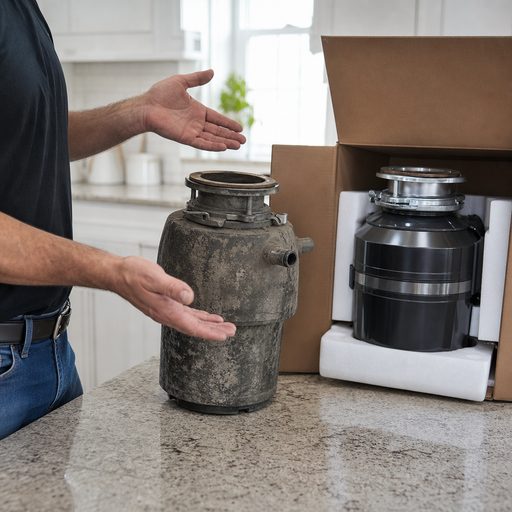
The cost to repair or replace a garbage disposal depends on whether the problem is minor, like a jammed impeller or loose flange, or if a full replacement is needed due to a failed motor or leaking housing. Understanding the factors below helps you interpret any estimate and spot whether repair or replacement—and related service costs—make sense for your specific situation.
Should You Repair or Replace Your Garbage Disposal?
Many plumbers will offer both repair and replacement quotes for you to consider. If your disposal is nearing its expected life, replacement often proves to be the more reliable long-term choice, especially if the needed repair approaches the cost of a basic new unit. Newer disposals also tend to be quieter and come with better performance or warranty coverage. For a more detailed breakdown of when each option makes sense, consider reviewing the guide Should You Repair or Replace Your Garbage Disposal?.
What Drives the Price for Garbage Disposal Repair or Replacement?
Several different components affect the overall price for disposal work, and understanding these drivers helps you make sense of the estimate. First, the nature of the problem matters: basic fixes like cleaning out jammed impellers or replacing a worn splash guard are generally straightforward for a plumber. More involved troubleshooting, such as diagnosing electrical faults or motor failures, requires more time and skill—and potentially more advanced parts like a replacement flywheel, impeller plate, or electrical switch.
If replacement is required, the choice of disposal matters. High-horsepower models, quiet or continuous-feed units from premium brands like InSinkErator Evolution Series or Moen EX Series, cost more than compact or basic batch-feed models. Labor time also rises if your under-sink area is cramped, the mounting assembly is rusted or the plumbing needs adjustments. Keep in mind that working around a dishwasher drain hose or old cast iron sink flange can add complexity.
- Nature of the repair versus full replacement—quick jam clear versus motor failure
- Disposal features—basic versus high-horsepower or quiet models
- Parts complexity—needing mounting rings, flanges, impellers, or electrical switches
- Access difficulty under the sink—space, existing plumbing, or dishwasher tie-ins
- Local labor rates—these vary widely by region
- Appointment timing—emergency, after-hours, or standard scheduling
What to Expect During a Professional Garbage Disposal Service Visit
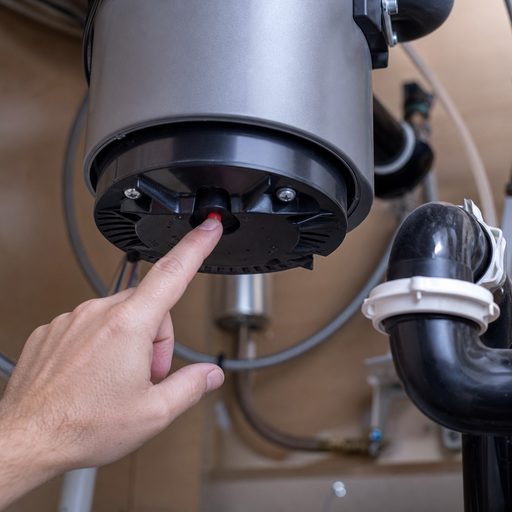
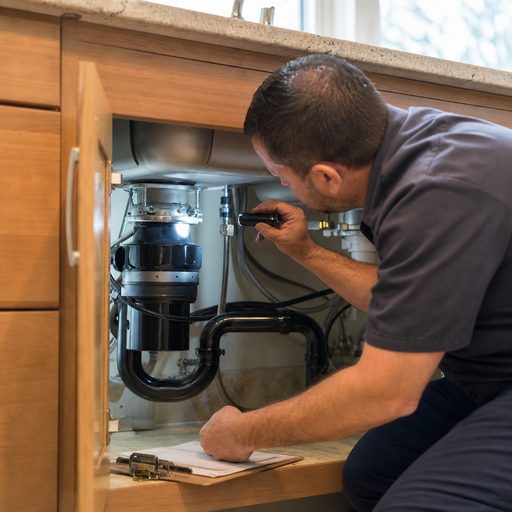
A pro will typically begin by inspecting the unit for obvious causes—checking the reset button, verifying power at the outlet, and examining for leaks or corrosion around the mounting assembly. The inspection may also include removing the splash guard to look for foreign objects under the sink baffle or inside the grinding chamber. If the jam is mechanical or caused by a stuck impeller, the plumber may use a disposal wrench (sometimes called a jam-buster tool) to free the blockage from below.
For persistent leaks, a plumber will check the sink flange, mounting ring, and dishwasher inlet hose connections. These parts—especially the rubber gasket, sink flange, and mounting assembly—are common culprits for drips under the sink. If the unit is leaking from the bottom or shows rust, the entire disposal may need replacement, as internal seals (which aren't serviceable) have likely failed. For electrical failures, a pro will test the wall switch, wiring, and internal overload protector; faulty electrical switches or connections can often be replaced without swapping the entire appliance.
How Plumbers Diagnose and Fix Garbage Disposal Issues
Professional diagnostics start by isolating the problem. The plumber will check if the flywheel can be manually turned, inspect for obstructions, and test the overload reset and wall switch. If these pass, but the disposal hums without turning, the capacitor or motor windings may be faulty—these parts are not user-replaceable and typically trigger the need for a new disposal. A leaking disposal is diagnosed by wiping components dry and running water to precisely locate the issue, whether it's at the drain line connector, mounting flange, or through the housing.
If repairable, they might swap a failed splash guard, P-trap, or tighten the mounting assembly. Wear on the grinding plate or loose impellers is less common but can occasionally be addressed without full replacement, depending on unit design and whether parts are available. Many disposals have parts like the gasket, sink flange, or mounting ring available as repair kits from the manufacturer (e.g., InSinkErator and Moen), which can extend the life of the appliance if caught early.
Replacement Parts and Components in Garbage Disposals
Some of the most common garbage disposal parts that may be repaired or replaced include the sink flange, mounting ring, splash guard, and rubber gaskets—these are subject to wear from years of vibration and water exposure. The grinding plate and impellers, located inside the disposal’s grinding chamber, handle food waste but generally aren’t replaceable without advanced work or special parts from the manufacturer.
For electrical issues, the wall switch, power cord, and internal overload reset can be replaced or reset by a professional. The discharge tube (where the disposal connects to your sink trap), as well as the dishwasher drain connector and associated hose clamp, are also common points for leaks or clogging. Replacing a full disposal unit means also addressing all mounting hardware, flanges, and sometimes the P-trap if corrosion or leaks are found during removal. To avoid surprise issues, using replacement components designed for your disposal’s make and model—InSinkErator, Moen, Waste King, and others—helps ensure reliability.
Keep Documentation Handy
Having the model number and brand of your garbage disposal handy can save time and help your plumber order the correct replacement parts, especially for brands like InSinkErator, Moen, or Waste King. Retaining installation and user manuals also helps clarify warranty status and compatible repair kits.
Preventing Future Garbage Disposal Problems
Regular maintenance is the best way to prevent problems with your disposal. This includes running plenty of cold water whenever you use the disposal, avoiding tough materials such as bones, fibrous peels, or coffee grounds, and never pouring grease down the unit. Periodically flushing the disposal with a few small ice cubes can help clean impellers and minimize buildup, though heavy cleaning tasks should be left to a professional plumber.
Catching leaks early is another crucial preventive measure. Check the cabinet under your sink for signs of moisture or mold, especially around the mounting flange, P-trap, or electrical connections. Early intervention on minor drips almost always avoids expensive cabinet or floor repairs later. If your sink begins to drain slowly, consider a professional drain cleaning rather than risking damage with chemical cleaners, which can harm seals and pipes.
- Run cold water before, during, and after using the disposal.
- Avoid disposing grease, bones, fibrous vegetables, or pasta.
- Clean with ice cubes and a splash of mild dish soap periodically.
- Listen for unusual noises—these can indicate loose parts or jams.
- Regularly check for leaks or dampness beneath the sink.
Why Estimates and cost guides Vary So Widely
It can be frustrating to see such a wide range when comparing estimates for garbage disposal repair or replacement. Major cost differences are driven by your local labor market, the brand and model of the unit, the difficulty of the work area, and the timing of your service. Some plumbing companies include diagnostic or trip fees, while others roll this into labor—even an itemized bill should be read carefully.
Be wary of unusually low or high estimates: the lowest costs may omit necessary parts or overlook challenges unique to your installation, while the highest could reflect extra steps that aren’t required for every job. To gain confidence, ask for clarification about line items on your estimate and consult the related cost guide for typical price components. For straightforward repairs that don’t require immediate service, waiting for a weekday appointment and sourcing compatible replacement parts can help keep costs reasonable.
When to Turn to Professional Garbage Disposal Repair or Installation
If the garbage disposal hums but doesn’t turn, trips the breaker, refuses to power on after pressing the reset button, or leaks under the sink, it’s time to call a professional. Issues with the grinding mechanism or visible corrosion seldom resolve without skilled diagnostics. Licensed plumbers can quickly assess whether a repair—such as replacing a worn flange, splash guard, or dishwasher connector—will suffice or if a new installation is the safer investment.
For multi-family homes, older wiring, or especially tight under-sink setups, professional service is the safest and most efficient route to restore functionality. Related services from reputable plumbers, including Garbage Disposal Repair and Garbage Disposal Installation, can address anything from basic leaks to complete swaps in one visit. Before the plumber arrives, review the troubleshooting guidance in Garbage Disposal Won't Turn On? Try the Reset Button First to rule out simple issues. For a deeper dive into your decision, explore Should You Repair or Replace Your Garbage Disposal?.
Request Written, Itemized Estimates
Always ask plumbers to separate parts and labor, as well as diagnostic fees, in their written estimate. This transparency helps you compare offers and understand exactly what is included in the service. Refer to the related cost guide for guidance on typical charges.
Which garbage disposal brands are the easiest to repair or replace?
Common brands like InSinkErator, Moen, and Waste King have widespread support and readily available replacement parts, making repairs or swaps generally straightforward for professionals. Older or lesser-known models sometimes have discontinued parts, which can complicate repairs and tip the balance toward full replacement.
How long should a garbage disposal last before needing replacement?
Most garbage disposals—especially those from reputable brands—last around 8 to 12 years under normal kitchen use. If your unit frequently jams, leaks, or loses power near this age range, replacement is typically recommended instead of repeat repairs.
What are common signs that a disposal must be replaced instead of repaired?
Replacement is likely needed when you notice leaks from the body of the unit (not just from connections), severe rust, a seized or humming motor that doesn’t respond to resets, or frequent tripped breakers. These issues signal major component failure and aren’t practical to fix.
Will a new disposal fit my existing sink and plumbing?
Most modern garbage disposals are designed to fit standard sink drain sizes and mounting assemblies, but compatibility can vary. Bringing your exact make and model information helps plumbers ensure a new unit will fit with minimal plumbing changes.
Can I extend the life of my garbage disposal with regular maintenance?
Regular good habits—such as running cold water, avoiding grease and hard waste, and monthly cleaning with ice cubes—can significantly extend the life of your unit. Early attention to leaks and a professional checkup at the first sign of trouble also prevent more serious issues.
Sources and further reading
These references support material safety, technical, consumer, or planning guidance in this article. Confirm property-specific requirements with the applicable authority and professional.