 Plumbing Advisors Editorial TeamEditorial StandardsUpdated May 26, 2026Source-Checked
Flip the switch and nothing happens. No hum, no grinding, just silence, or maybe a faint click. A garbage disposal that will not turn on is alarming, but the cause is often something simple rather than a dead motor. Most disposals have built-in protections that shut the unit down to keep it safe, and resetting them brings the disposal back to life surprisingly often. Working through a few safe checks in the right order will tell you whether this is a quick fix or a problem that needs professional attention, without ever putting you at risk.
Never reach inside, and cut the power first
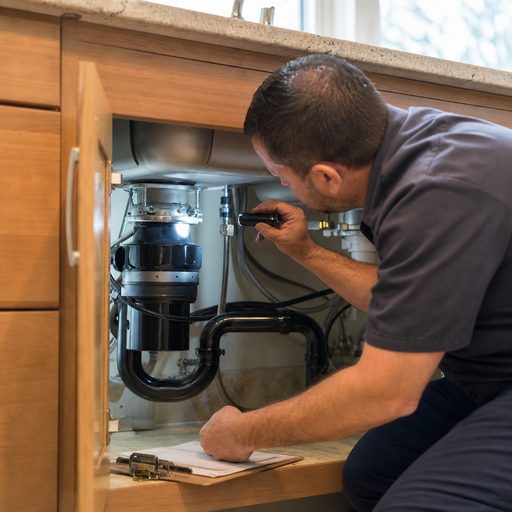
Before you do anything, turn the disposal switch off and unplug the unit or shut off its breaker. Never put your hand inside the disposal, even when it appears to be off. If you need to clear the chamber, use tongs or pliers and a flashlight, never your fingers. Restore power only when you are ready to test the unit.
Start With the Reset Button
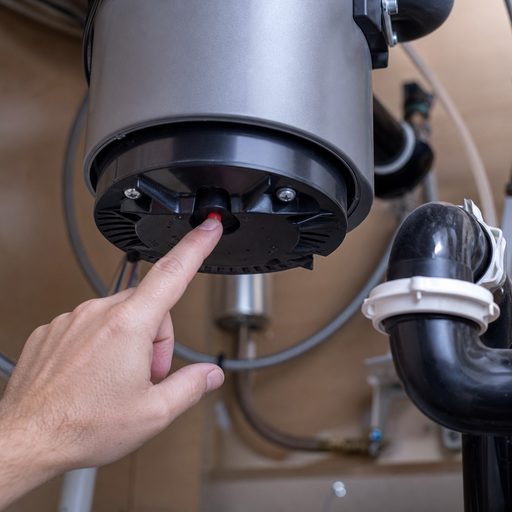
When a disposal does nothing at all, the most common reason is that its internal overload protector has tripped. This is a safety feature that shuts the motor off if it overheats or strains, often after a jam or heavy use. The fix is the small reset button, usually red, found on the underside of the unit. If the button has popped out, the disposal will be completely unresponsive until you press it back in. This is the very first thing to check, because it solves a dead disposal more often than any other single step.
- Confirm the disposal switch is off, then look under the unit for the small reset button.
- If the button has popped out, press it firmly back in until it stays seated.
- Make sure nothing is jamming the unit, since it may trip again immediately if there is.
- Restore power, run cold water, and switch the disposal on in a short burst to test it.
- If it trips again right away, stop and call a professional rather than resetting it repeatedly.
Check the Power Supply
If the reset button was already seated and the disposal is still dead, the next thing to rule out is a loss of power. Many disposals plug into an outlet inside the sink cabinet, so confirm the plug is fully seated. Check whether the circuit breaker that serves the kitchen has tripped, and reset it once if it has; if it trips again immediately, leave it off and call a professional. Some kitchens also wire the disposal through a wall switch, so make sure the right switch is being used. These checks are safe because they involve only the plug, the breaker, and the switch, not the unit's wiring.
What a Hum or Click Tells You
The sound the disposal makes when you flip the switch is a useful clue. Total silence usually points to the reset button or a power problem, as covered above. A hum without spinning is different: it means the motor has power but the grinding plate is jammed, which is a separate issue with its own safe steps. A repeated clicking with no other action can mean the unit is jammed or the motor is struggling. If you have ruled out the reset and power and the disposal still will not respond, the motor or internal wiring may have failed, which is beyond a safe homeowner fix.
When to Call a Professional
If the reset button and power checks do not bring the disposal back, or if it keeps tripping the reset or breaker, the unit likely has an internal fault that needs professional service. Garbage disposal repair service can safely diagnose a failed motor, switch, or wiring problem and fix or replace the unit. To decide whether a repair is worth it on an older disposal, see our guide on whether to repair or replace your garbage disposal, and our guide on garbage disposal repair and replacement cost can help you understand what each option typically involves before you call.
Sources and further reading
These references support material safety, technical, consumer, or planning guidance in this article. Confirm property-specific requirements with the applicable authority and professional.