 Plumbing Advisors Editorial TeamEditorial StandardsUpdated July 5, 2026Source-Checked
The cost of a plumbing repair depends on much more than just the type of fix—it’s shaped by factors like labor, access, local rates, and the specific parts needed. Instead of chasing precise figures, it’s smartest to understand what drives the price so you can spot a fair estimate, avoid unwelcome surprises, and plan for a quality repair.
What Key Factors Determine Plumbing Repair Costs?
No two plumbing calls are exactly the same, and that’s reflected in how plumbers set their rates. The complexity of the repair, the amount of time involved, the price and quality of replacement parts, and how difficult the problem is to reach can all affect your final bill. For example, a simple faucet repair should cost less than replacing a failed pressure reducing valve (PRV) hidden behind a finished wall. Local labor rates and the timing of your call (on a weekend vs. a weekday) also matter. Portioning out the drivers can help you make sense of the total.
Something as straightforward as swapping a worn-out flapper in a toilet tank will typically require far less time and skill than tracking down a leak behind tilework, which may need both advanced diagnostic tools and more involved labor to repair. Some manufacturers, such as Kohler and Delta for faucets or Moen for shower valves, offer replacement parts specifically designed for their branded fixtures. When your system uses specialty or high-end parts, that can lead to pricier components and possibly higher labor to install them.
- Labor hours—An intricate diagnosis, difficult access, or lengthy repair translates directly into more work time.
- Ease of access—Repairs requiring demolition (wall removal, slab work) are more extensive than open, exposed repairs.
- Local market rates—Expect different estimates in different cities or neighborhoods.
- Visit timing—After-hours or emergency calls nearly always carry a higher service charge or trip fee.
Why Exact Prices Are Hard to Pin Down
While most homeowners understandably want an exact number, pinning it down in advance can be impossible until the plumber sees the situation first-hand. The same named repair—say, a shower valve replacement—could mean something simple for one setup, or major wall surgery for another. Especially with plumbing, hidden issues like corroded connections, inaccessible pipes, or code-complicated setups can drive up both parts and labor.
It’s also important to remember that many pros rely on a diagnostic or trip fee, meant to cover the time spent evaluating your system and identifying the source of the problem. In some cases, this fee is credited against the repair if you go forward with the work. An up-front written estimate (listing both labor and parts) is the best way to know what you’re agreeing to—an open-ended verbal quote leaves both sides exposed to misunderstanding.
Why Written Estimates Matter
A detailed, itemized written estimate is your best protection against surprise costs. Reputable Plumbing Repair providers will clearly separate labor from parts so you can see and compare what you’re paying for. If you’re considering multiple contractors—or simply want clarity—insist on a written breakdown before work begins.
Common Parts and Components That Affect the Bill
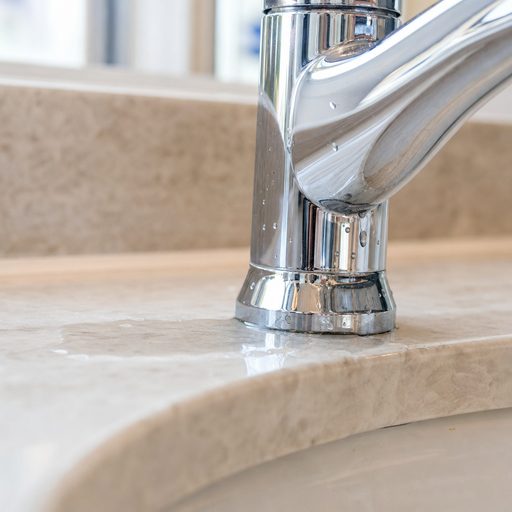
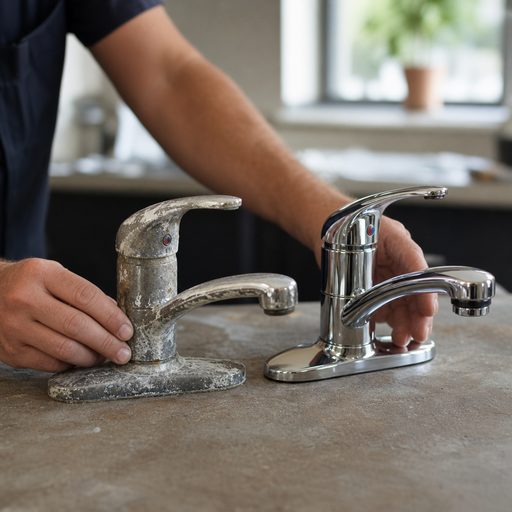
Many plumbing repairs involve replacing discrete parts, each with its own price point and longevity. For example, in a typical water heater repair, parts like the TPR (temperature and pressure relief) valve, anode rod, or heating element might eventually need replacement. For toilets, it’s often the fill valve, flapper, or wax ring that fails. Kitchen or bathroom faucet leaks usually come down to cartridges or stems—Moen cartridges are widely used for single-handle faucets, while Delta’s proprietary diamond-seal cartridges add long-term value but cost a bit more upfront.
It pays to use manufacturer-approved parts—especially for major brands like Kohler, Bradford White, or InSinkErator—as generic replacements may not seal or fit properly and can wear out faster. Some homeowners are surprised to learn that the actual cost of these small, specialized parts can represent a significant slice of the bill. If you suspect a specific part has failed, it helps to note the brand and model to make diagnosis and replacement more efficient for your plumber.
How Access and Home Construction Affect Repair Difficulty
Where your pipes, fixtures, or valves are located can significantly alter the scope of a plumbing repair. Fixes that are fully exposed—like a leaky P-trap under the kitchen sink—are typically straightforward and quick. But repairs inside finished walls, under concrete slabs, or in cramped crawlspaces involve careful demolition, protected finishes, and additional labor to repair both the plumbing and your home afterwards.
Extra steps like cutting drywall, removing tile, or pulling out cabinetry to expose the problem can sometimes double a project’s complexity. For repairs that might affect finishes—such as opening a wall to fix a copper supply line leak—professionals may suggest involving additional trades to restore your home. Some repairs (particularly in condos or historic homes) are more likely to be regulated by local plumbing codes, so always confirm local requirements before work starts.
- Easy access: Exposed shutoff valves, P-traps, or accessible supply lines.
- Moderate access: Fixtures set in cabinetry or partially behind walls, like bathroom faucets or under-sink dishwasher lines.
- Difficult access: Pipes inside walls, under floors, or behind built-in fixtures (often requires opening walls/floors and patching after).
Diagnosing and Quoting: What to Expect From a Pro Visit
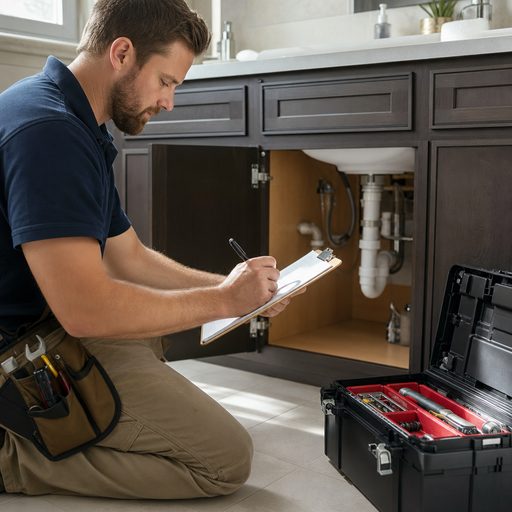
When you schedule a Plumbing Repair service call, the first step is usually a visual inspection and some diagnostic checks. A good pro will assess visible symptoms—such as leaks, pressure loss, or discolored water—then trace the problem to its source using basic tools (flashlight, mirror, moisture meter) and sometimes more advanced equipment (thermal camera, inspection camera for hidden pipes).
Prevent Bigger Bills by Acting Quickly
Small leaks and slow drains rarely resolve themselves and can quickly turn into larger, costlier problems. Addressing issues promptly with a licensed Plumbing pro not only limits damage but often keeps your repair in a lower cost bracket—especially if you catch the problem before it spreads or causes structural damage.
Saving on Plumbing Repairs: Practical Prevention and Planning
Maintenance goes a long way toward reducing unplanned plumbing bills. Simple periodic checks—like testing shutoff valves, examining visible joints for corrosion, or replacing worn-out toilet flappers—can prevent failures. Keeping drains clear of non-flushable items, insulating exposed supply lines in cold climates, and knowing where your home’s main shutoff is located all make emergencies less likely and smaller if they occur.
If you’re taking on a renovation, consider updating older components like galvanized or polybutylene pipes, and make sure new work uses proven brands (such as A.O. Smith for water heaters, or Delta and Moen for fixtures). Establishing a relationship with a trusted local Plumbing professional for annual check-ups or when trouble first appears often avoids both rush fees and sudden, costly breakdowns. the related cost guide can help set reasonable expectations for routine and urgent fixes alike.
- Check toilets for worn flappers and fill valves (replace as needed).
- Inspect water heater for corrosion, replace anode rods periodically.
- Clear slow drains with mechanical tools (plunger or auger)—never chemical cleaners.
- Insulate pipes at risk of freezing; replace aging supply hoses (stainless braided preferred).
- Schedule professional inspections for water pressure loss or unexplained moisture.
Understanding Local Plumbing Codes and Permits
Some plumbing repairs—especially those involving supply lines, water heaters, or drain-waste-vent systems—are governed by local codes designed to ensure safety and lasting performance. Requirements can differ dramatically (even between neighboring municipalities), so it is essential to confirm whether permits or inspections are needed before beginning work. Many common repairs, such as replacing a toilet fill valve or shutoff, typically do not require permits, but bigger changes (like rerouting pipes or swapping a water heater) often do.
While your Plumbing service provider should know local requirements, it pays to double-check before work starts, since unpermitted repairs can complicate insurance claims or future home sales. If a plumbing repair seems unusually complex or the technician suggests unfamiliar code requirements, don’t hesitate to ask for clarification. This is another reason why only licensed, insured plumbers should tackle anything beyond routine maintenance.
How can I avoid unnecessarily high plumbing repair bills?
Act on small leaks, slow drains, or odd water heater noises right away—early repairs almost always cost less than waiting for bigger failures. Schedule work for regular hours rather than emergencies, use a reputable local Plumbing company, and request written, itemized estimates in advance.
Why do plumbers charge a diagnostic or trip fee?
A diagnostic or trip fee covers the pro’s time and expertise in evaluating your system, identifying the root cause, and providing an estimate. Many plumbers credit this fee toward the repair if you approve the work. Ask about fee policies up front so you know what to expect.
How long does a typical plumbing repair visit take?
Simple repairs—like replacing a toilet flapper or faucet cartridge—can take less than an hour. Diagnosing and fixing hidden leaks, major valve swaps, or repairs inside walls may require several hours or multiple visits. Your plumber should provide a time estimate after seeing the scope of the job.
Are there plumbing repairs I should never attempt myself?
Yes. Jobs involving gas lines, water heater wiring, main supply shutoffs, and anything involving sewage or code-required inspections should always be handled by licensed professionals. Even seemingly simple tasks (like swapping TPR valves or accessing pipes in walls) can go wrong if you’re unfamiliar with local codes or proper repair techniques.
Sources and further reading
These references support material safety, technical, consumer, or planning guidance in this article. Confirm property-specific requirements with the applicable authority and professional.