 Plumbing Advisors Editorial TeamEditorial StandardsUpdated July 5, 2026Source-Checked
Deciding between a tankless and a traditional tank water heater depends on your priorities: tankless models offer on-demand, endless hot water, take up less space, and last longer, but come with a higher up-front cost and potentially more complex installation. Tank units are less expensive initially, simple to replace, and meet most households’ needs—making your best choice a matter of usage, space, and budget.
How Do Tank and Tankless Water Heaters Function?
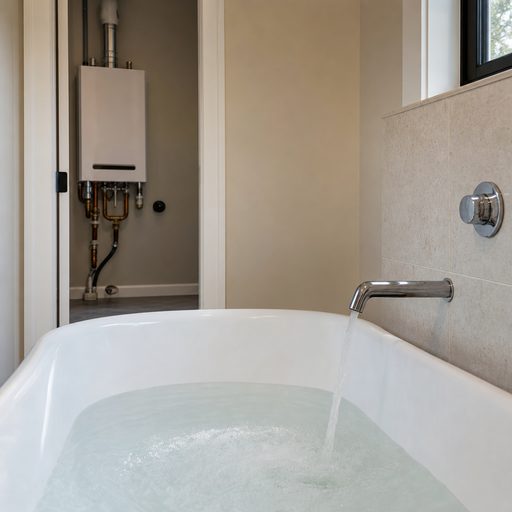
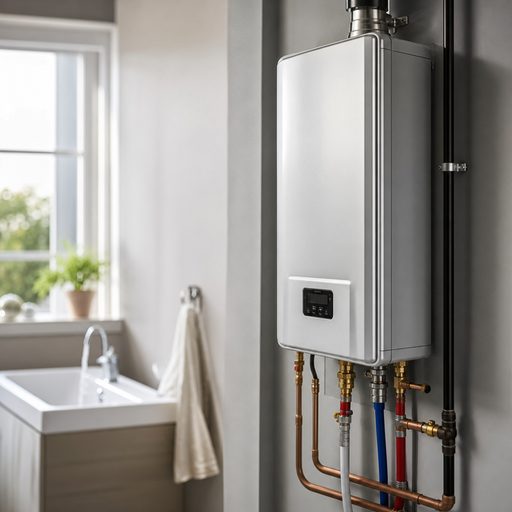
Tankless (on-demand) water heaters from manufacturers such as Rinnai, Noritz, and Navien use powerful gas burners or electric elements to heat water as it passes through a heat exchanger. There's no standing reservoir; the unit activates when you open a hot water tap. This design eliminates standby heat loss, making tankless models generally more energy-efficient, but each unit has a maximum flow rate it can support at any given moment.
What Are the Key Differences in Performance and Usage?
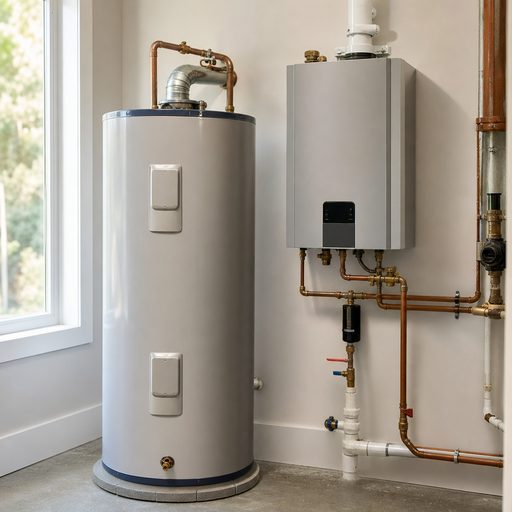
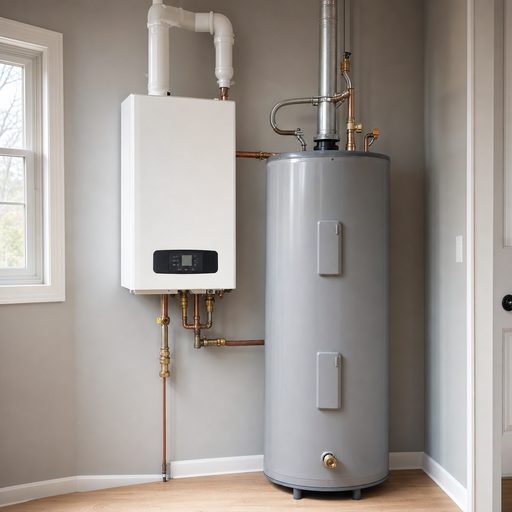
Space needs vary dramatically: tank heaters, especially with insulation jackets, take up several square feet of floor space and usually require a dedicated closet, utility room, or basement spot. Tankless heaters are compact and wall-mounted, freeing up usable space in tight homes or condos. Energy-wise, tank heaters lose heat continually (“standby loss”); tankless models heat only when used, but may require more power or gas per use, and must be sized correctly for cold-climate performance.
Check Your Electrical or Gas Setup
Moving from a tank to tankless water heater may require electrical upgrades (for electric models) or larger gas lines (for gas units). Confirm your home’s infrastructure with a professional before making the switch.
Energy Efficiency and Operating Costs
Energy savings are frequently cited as a reason to go tankless. Because it heats water only when needed, a tankless unit avoids the standby losses that cause tank models to reheat water even when hot water isn’t being used. However, tankless units may require higher gas or electric loads during operation, especially if several fixtures are on at once.
Fuel type also matters: both tank and tankless heaters come in electric and gas varieties, with gas units generally offering faster recovery or heating rates. High-efficiency models may feature condensing technology, recirculation pumps, or advanced controls. Upgrading to tankless can mean installation of new venting (for gas units) or heavy-duty wiring (for electric), which influences total costs. For an in-depth look at what factors most affect expenses, see the related cost guide.
Code Requirements Vary—Always Check Locally
Water heater installation must follow local building codes for venting, seismic strapping, drain pans, and expansion tanks. Requirements differ by jurisdiction, so always confirm the details with your plumbing professional before starting the project.
Installation Considerations and Home Fit
Swapping a tank heater for another tank model is usually straightforward, especially if footprint and connections are similar. Key components like water supply flex lines, TPR valve, and natural gas shut-off are reused or updated. Transitioning to tankless is often more complex: it could entail upsizing gas lines, installing stainless steel venting, adding dedicated electrical circuits, or rearranging plumbing for wall-mounting.
Venting is a major concern for gas-powered models. Tank water heaters often use atmospheric or power venting; tankless heaters frequently require direct venting to the outdoors to safely exhaust combustion gases. Electric tankless models sidestep venting but may need new circuits or subpanels. Proper installation directly impacts safety and manufacturer warranty validity—an important reason to work with providers offering professional water heater installation.
Factors to Weigh in Your Decision
Household size, simultaneous usage, and preferred routines are big factors. A couple with low, spread-out demand might love the efficiency and space-saving offered by tankless. A large family with multiple morning showers might need a high-capacity tank (or more than one unit) to keep up. Incoming water temperature also impacts tankless performance; in colder climates, output flow rates drop, requiring careful unit selection.
- How many showers, appliances, or faucets might run at once?
- What is your available installation space—wall or floor?
- Is your home’s electric or gas system able to support a higher-output unit?
- How long do you plan to stay in the home—long-term savings vary?
- Are you willing to schedule annual maintenance like flushing or descaling?
Consulting a professional for a sizing assessment can optimize comfort and efficiency. For some homes, a hybrid or point-of-use setup (combining smaller tankless units for distant bathrooms or kitchens) delivers the best balance. See our guide When to Repair vs. Replace a Water Heater for more on timing this investment.
Upkeep, Repairs, and Service Differences
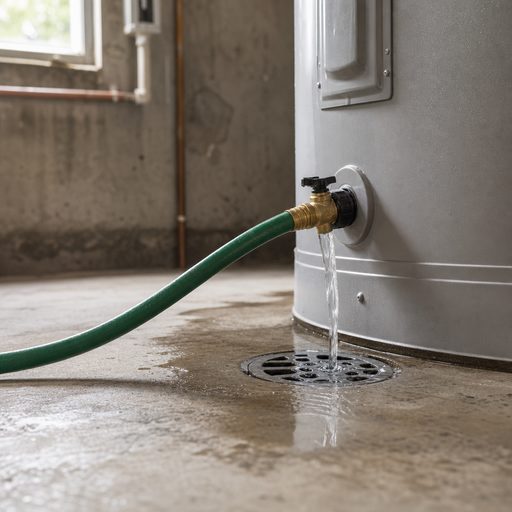
Both types require attentive upkeep. Tank units benefit from annual draining and flushing to remove settled minerals, visual inspection for tank leaks or corrosion, and checking or replacing the anode rod. Electric tanks may also need thermostats or heating elements serviced. For hard water areas, adding a water softener or a sediment filter protects all heater types from scale and damage.
Tankless units call for regular descaling of the heat exchanger—many models have built-in service valves for this—and checking the water filter screen for debris. Some service involves software updates or error code diagnostics using the onboard display. Items like flow sensors and ignition packs can require expert troubleshooting from water heater repair pros. Following the manufacturer's maintenance schedule preserves warranty coverage and extends equipment life.
Leave Complex Repairs to Professionals
Water heater repairs involving gas lines, high-voltage wiring, or venting carry serious risks and should always be handled by a licensed plumber or technician. Never attempt these repairs yourself; seek water heater repair service for anything beyond simple maintenance.
The Impact of Water Quality and Usage Patterns
- Anode rod: Protects tank interiors, should be checked every few years.
- TPR valve: Safety device for temperature/pressure relief—test annually.
- Heat exchanger: Main component in tankless units, keep free of scale for efficiency.
Very high or very low usage can further push your choice: vacation homes or rarely-used guest suites may not justify the higher cost and upkeep of tankless, while households with unpredictable schedules might benefit from the endless supply—provided the system is sized for peak demand. To learn in detail how to handle sediment, see our guide How to Flush Your Water Heater for maintenance steps suitable for both types.
Consulting a Professional for Selection and Installation
Selecting the right water heater involves more than matching tank size or flow rate. A professional will check your home’s plumbing and gas sizing, calculate necessary output for worst-case demand, and advise on the pros and cons of tank vs. tankless for your actual usage. They’ll evaluate venting, space constraints, and code adherence to keep the installation safe and efficient.
Pros can also walk you through available features, like digital controllers, recirculation pumps for instant hot water at distant taps, or hybrid heat pump systems that blend storage and on-demand technology. Scheduling a consultation for water heater installation helps make sure your system is correctly sized, smoothly integrated with existing utilities, and set up for future maintenance needs. If your current heater is acting up, Water Heater Repair service may be all you need, and our repair versus replace guide helps you decide what makes the most sense.
Will a tankless water heater supply enough hot water for a large family?
A properly sized tankless water heater can supply continuous hot water, but it’s critical to match capacity with simultaneous household use. If several showers, dishwasher, and laundry run at once, a single tankless may struggle; sometimes multiple units or hybrid setups work best. Professional sizing ensures your system meets peak demand.
How often should I flush or descale my water heater?
Tank-type water heaters should be flushed once a year to remove sediment, especially in hard water areas. Tankless units need descaling every 12-24 months, with frequency depending on local water hardness and usage patterns. Always follow manufacturer guidelines, and schedule professional service for more complex maintenance.
What are the signs my water heater needs replacing rather than repair?
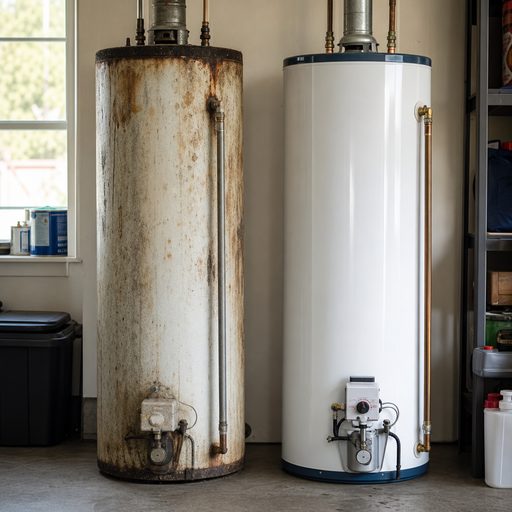
Signs include chronic leaks, rust-colored water, loud banging noises (from sediment build-up), reduced hot water supply, or an aging unit past its typical service life (8-12 years for tank, 15-20 for tankless). See our guide When to Repair vs. Replace a Water Heater for more help deciding.
Can I install a tankless water heater in the same spot as my old tank?
Not always. Tankless units are compact but may need new venting, larger gas lines, or upgraded electrical circuits. Wall-mounting may call for extra bracing or rerouted plumbing. A professional can assess your installation site and suggest the smoothest upgrade path.
Do tankless water heaters really save on energy bills?
Tankless units avoid standby heat loss, making them more energy-efficient over time, especially in homes with lower, more spread-out hot water use. Savings depend on your usage patterns, fuel type, and local utility rates. For more on what influences cost, see the related cost guide.
Sources and further reading
These references support material safety, technical, consumer, or planning guidance in this article. Confirm property-specific requirements with the applicable authority and professional.