 Plumbing Advisors Editorial TeamEditorial StandardsUpdated April 15, 2026Source-Checked
A slow or clogged drain is one of the most common household plumbing headaches, and plenty of them clear with nothing more than a plunger and a little patience. But some clogs are a sign of something a plunger simply cannot fix, and continuing to fight a deeper problem on your own can waste time and even make a backup worse. Knowing where the line falls between a safe do-it-yourself fix and a job for a professional helps you act on the right one before a minor annoyance turns into a mess.
When a DIY Plunge Is Usually Enough
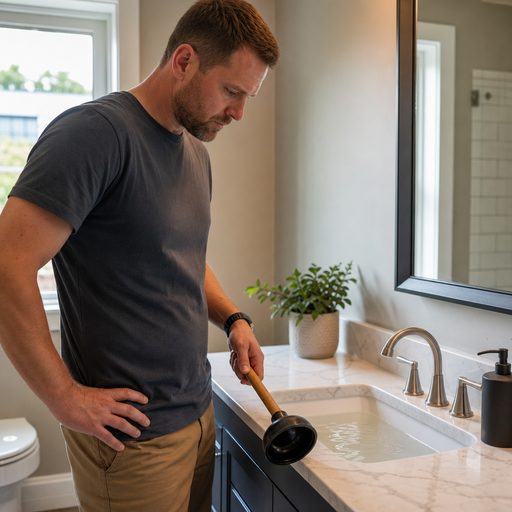
If only one fixture is draining slowly and the clog is shallow, a plunger or a quick cleaning of the visible stopper often does the trick. A single slow bathroom sink is usually hair and soap near the trap, while a tub or shower collects much the same. These shallow, localized clogs are the least concerning and tend to respond to basic, safe methods that do not require any special tools or harsh products.
- Only one fixture is affected while everything else drains normally.
- A plunger or removing and cleaning the stopper noticeably improves the flow.
- The slowdown came on gradually rather than appearing all at once.
- There are no smells, gurgles, or backups at other drains in the home.
- The drain clears fully once it finally opens, rather than staying sluggish.
Signs the Clog Is a Job for a Pro
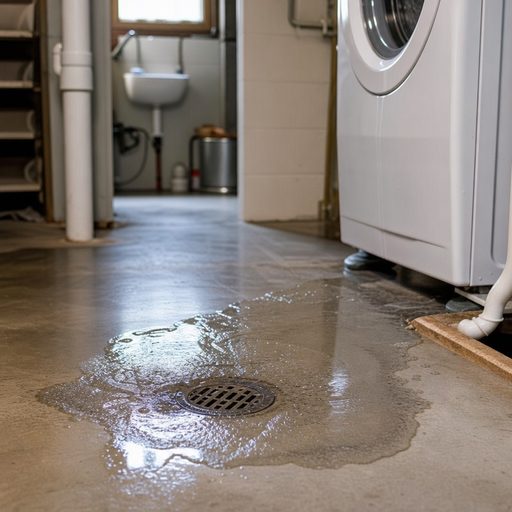
Certain symptoms point to a blockage that sits too deep, too far down, or in a shared line that a plunger cannot reach. These are the situations where professional equipment is needed, and where continuing to run water risks pushing a backup into your living space. Pay attention to the patterns below, because they often signal that the problem is bigger than the fixture in front of you.
- Several fixtures drain slowly or back up at the same time.
- Water comes up in a different fixture when you run a sink, tub, or washer.
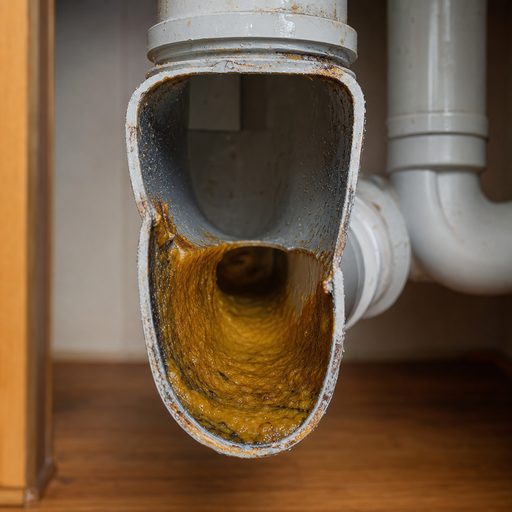
- Drains gurgle, smell of sewage, or back up repeatedly despite plunging.
- The same drain clogs again within days or weeks of clearing it.
- A toilet bubbles or the lowest drains in the home overflow first.
Do not reach for chemical drain cleaners
It is tempting to pour a bottle of chemical drain cleaner down a stubborn drain, but these products often fail to clear the real blockage and can corrode pipes, damage seals, and release dangerous fumes. Skip them entirely. Stick to a plunger for shallow clogs and call a professional for anything deeper.
Why the Difference Matters
Treating a deep or shared-line clog like a simple one usually just delays the real fix and can turn a contained problem into a backup that reaches your floors. A professional has cameras and clearing tools that reach far beyond what a plunger can, and can confirm whether the issue is a single branch drain or something in the main line. Matching the response to the actual problem saves you the frustration of plunging away at a clog that was never going to budge from above.
When to Call a Professional
If a plunger has not solved the problem, or if the warning signs above sound familiar, it is time to bring in help. Drain cleaning service can clear a stubborn clogged drain safely and check whether the blockage runs deeper than one fixture. To pin down how serious the situation is, our guide on telling a single-fixture clog from a main-line clog walks through the difference, and if the same drain keeps clogging, reading what causes recurring drain clogs can help you and the plumber get to the root of it for good.
Sources and further reading
These references support material safety, technical, consumer, or planning guidance in this article. Confirm property-specific requirements with the applicable authority and professional.