 Plumbing Advisors Editorial TeamEditorial StandardsUpdated July 5, 2026Source-Checked
Drain snaking and hydro jetting are professional methods for clearing tough clogs, but they work very differently. Drain snaking breaks apart or removes individual obstructions, while hydro jetting scours the inside of pipes with high-pressure water. Understanding each process helps you make sense of a plumber’s recommendation, possible risks, and why one might cost more than the other.
What Is Drain Snaking and When Is It Used?
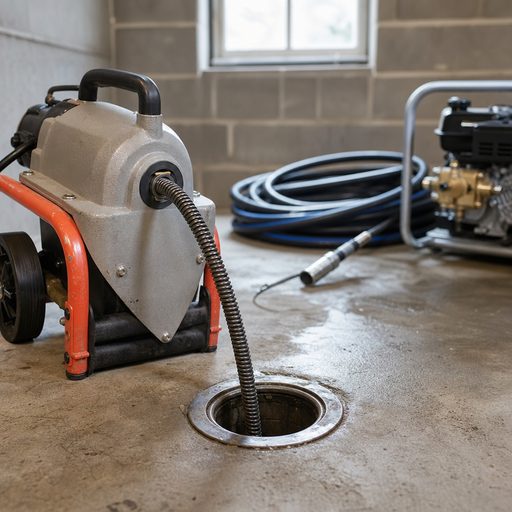
Drain snaking is also called cabling or augering. It employs a flexible steel cable, often referred to as an auger or drain snake, equipped with a corkscrew-like tip. The plumber inserts the cable into the affected pipe and rotates it manually or with a motor. As it advances through the line, the head grabs, cuts, or breaks up the blockage. This method excels at dislodging compact clogs caused by hair, soap, food scraps, or small objects stuck in sink, tub, shower, or toilet drains. Well-known brands for hand and motorized snakes include RIDGID and General Pipe Cleaners.
Snaking is preferred when the problem is isolated to a single fixture or short section of pipe. It is precise, lower-pressure, and gentle on fragile or older pipes such as those found in many pre-1970s homes. Most common drain snakes range from 1/4" to 5/8" in diameter, suitable for branch lines and traps. The plumber will select the coil or blade shape depending on what’s suspected in the pipe, such as a spiral tip for hair or a cutting blade for tougher obstructions.
- Ideal for clearing simple, localized clogs (like hairballs or kitchen scraps).
- Used on branch drains leading from sinks, tubs, showers, and toilets.
- Gentle enough for delicate or older pipes if used with care.
- Main tool for retrieving non-flushable objects (toys, wipes, jewelry).
How Does Hydro Jetting Work?
Hydro jetting is an advanced drain cleaning technique that deploys a high-pressure hose with a specialized nozzle, connected to a machine capable of delivering water at several thousand PSI. The hose enters the drain, and the nozzle directs powerful streams both forward to break up blockages and backward to propel the hose while flushing debris toward the sewer main. This method is far more aggressive than snaking and can clear dense grease, heavy sludge, pipe scale, and even small tree roots.
Jetting scours the entire inner surface of the pipe rather than simply punching a hole through the blockage. It is especially useful for recurring clogs caused by accumulated grease or soap, commercial kitchens, sewer main blockages, and root intrusion. Plumbers often use a camera inspection before hydro jetting to assess pipe condition and to ensure the line (especially if it’s made from cast iron, clay, or brittle PVC) can withstand the intense pressure. Common hydro jetters are made by manufacturers like Spartan Tool and Jetters Northwest.
- Removes stubborn buildup like grease, sludge, and mineral scale.
- Treats entire main lines, especially when snaking fails to prevent recurring clogs.
- Powerful enough to clear some root intrusions (within limits).
- Typically combined with camera inspections for best results.
Which Drain Issues Require Snaking vs. Jetting?
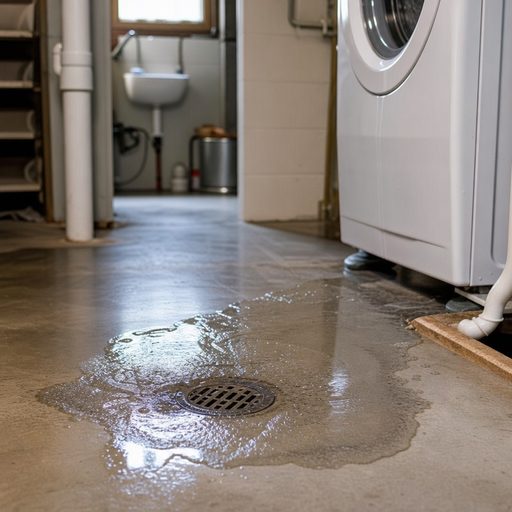
Not all clogs are created equal, so plumbers decide between snaking and jetting based on several factors: the type of blockage, the affected pipe, and the clog’s history. For a single slow-draining fixture where food, hair, or paper created a plug, snaking is usually sufficient. If the entire home is backing up, or you notice repeated blockages in a kitchen or high-use bathroom, hydro jetting may be needed to fully clean scale and buildup from longer stretches of pipe.
Pipe condition is also a major factor. Hydro jetting works best on sturdy materials such as newer PVC or modern cast iron, but older clay or corroded metal pipes could be damaged by the high pressure. Many pros use a video camera inspection to check pipe health and locate the clog before proceeding. In some cases, they might first snake the line to get water flowing and then follow up with jetting to remove residual buildup, ensuring longer-term prevention.
Professional tip
Hydro jetting delivers a deep clean and can restore proper pipe flow even when other methods fail. However, it also requires judgment and careful equipment use—making expertise and pre-cleaning inspections critical for safety and results.
Safety Considerations and Why DIY Is Risky
While manual drain snakes are available for homeowners, professional-grade cable machines and all hydro jetting equipment should be operated only by trained plumbers. Incorrect use can damage pipes, cause leaks, or even result in bodily injury from rapidly spinning cables or high-pressure water. There’s also risk of contamination or exposure to sewage, especially with main line clean-outs. Additionally, many municipalities require compliance with specific plumbing codes regarding drain clean-out access and hydro jetting procedures.
Using the wrong technique on the wrong pipe can push obstructions deeper, rupture old joints, or even force wastewater into your home. Plumbers also watch for signs of pipe collapse or bellies (sags), which cannot be resolved with cleaning alone. If you suspect a main line issue, call a professional for camera inspection and service. The Clogged Drain and Drain Cleaning services connect you to experienced local pros who can diagnose and resolve tough problems safely.
Parts and Components Used in Snaking and Jetting
Both methods rely on specialized equipment and parts that increase their effectiveness. In drain snaking, the business end is the auger tip or cutter—specific tips are selected based on the clog type, such as a retriever head for solid objects or a serrated cutter for roots. The cable itself, typically steel, offers the flexibility and strength needed to navigate bends, P-traps, and branch lines. Modern machines often use interchangeable drum cartridges for various cable sizes and lengths.
Hydro jetting equipment consists of a high-pressure hose, nozzles designed for different pipe diameters and blockages, and a powerful jetting pump. Nozzle types include rotating (for grease and soap buildup) and penetrating nozzles (for cuts through compacted sludge). High-quality units include water filtration and backflow preventers to protect municipal water from contamination. When necessary, the jetting hose is guided into the line through a cleanout, a code-required access point. Using the right combination of parts is essential for thorough, safe cleaning and pipe longevity.
How Professionals Diagnose Tough Drain Clogs
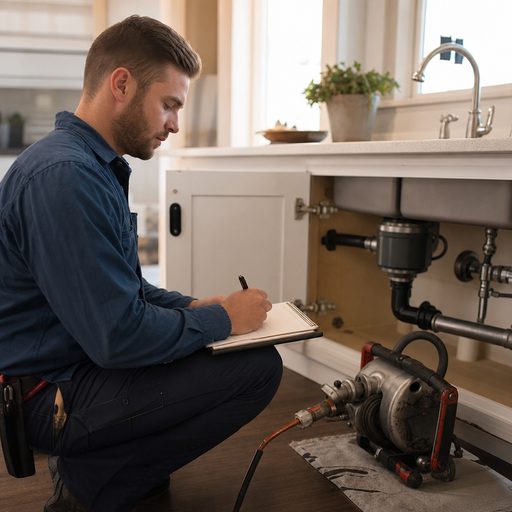
Before selecting a cleaning method, experienced plumbers gather clues through both physical checks and technology. They’ll test each fixture for drainage speed, look for signs of vent or main line blockages (such as gurgling toilets or simultaneous backups), and may access cleanouts to get closer to the problem area. The use of a video inspection camera is now standard practice for persistent or main-line clogs—it helps spot stuck objects, heavy buildup, tree root penetration, or even damaged pipe segments like collapsed bellies or joints separated by ground movement.
Diagnostic tools involved may include sewer cameras, locating transmitters, and specialty auger head attachments to sample the blockage makeup. In addition, pressure testing identifies leaks in the main soil stack or lateral lines. Once the exact cause and location of a clog is confirmed, the plumber chooses the safest, most effective method. Diagnostics are subject to local plumbing codes, especially when hydro jetting is used near a septic tank or older municipal systems. Consult the guide Single-Fixture Clog vs. Main-Line Clog: How to Tell for more strategies to narrow down the likely source.
- Sewer inspection cameras for visual confirmation.
- Cleanout access points to insert tools further down the line.
- Variety of specialized auger heads based on blockage type.
- Locating equipment to pinpoint trouble spots underground.
What Drives the Cost of Drain Snaking and Jetting?
The price difference between snaking and hydro jetting is influenced by the equipment complexity, labor time, diagnosis requirements, and the pipe’s accessibility. Snaking a branch line (like a bathroom sink) often requires less time and gear than jetting a main sewer line. Jetting is inherently more involved—requiring powerful machinery, additional preparation, and frequently a camera inspection to ensure the line can withstand the pressure. The number and length of pipes, the nature of the clog, and whether special parts like large-diameter hoses or cutting nozzles are used will also play a role.
If the plumber encounters additional issues, such as needing to access an outdoor sewer cleanout, or discovers damaged pipe sections that may need repair or replacement, that will further affect the overall cost. Local labor rates and code requirements can also be factors. For a breakdown of typical price drivers, see the guide How Much Does Professional Drain Cleaning Cost? It’s a good idea to describe your clog in detail to the pro, mention any repeated issues, and ask if inspection fees may apply.
Future Prevention: Caring for Your Pipes After Service
Once your line has been cleared, preventing future clogs is key. After snaking, recognize that some debris or buildup may remain, so follow up with best-practices such as using drain strainers to catch hair and food particles, and never flushing wipes, hygiene products, or large amounts of grease down the drain. After hydro jetting, pipes are usually scoured nearly clean, but recurring issues could signal tree root ingress or old, deteriorating pipes needing repair. Regular professional camera inspections may be recommended if you’ve experienced main line blockages.
A key component for prevention is the installation and maintenance of accessible cleanout points—these allow future service without structural disruption. Also, for homes with mature trees near the sewer line, periodic inspection and root deterrent treatments may be warranted. Your plumber can advise on non-invasive ways to protect your lines. For persistent issues, schedule routine maintenance visits; the Drain Cleaning service can help connect you to qualified professionals for ongoing care.
Skip chemical drain cleaners entirely
Avoid store-bought chemical drain cleaners—they can rapidly corrode metal pipes, deteriorate rubber seals, and create hazardous vapors. Professional snaking or jetting is safer, more effective, and protects the long-term health of your home’s plumbing.
Is hydro jetting safe for all types of pipes?
Hydro jetting is safe for most modern pipes in good condition, such as PVC, cast iron, and schedule 40 ABS. However, it can damage old clay, corroded, or brittle pipes. A plumber will always check pipe condition—often with a camera—before jetting to avoid causing leaks or ruptures.
Can I snake or hydro jet my own drain?
Homeowners can use small hand snakes for minor clogs, but motorized snaking machines and all hydro jetters should be handled by professionals. The risk of pipe damage, injury, or contamination is high without expertise and proper tools. Always consult a drain cleaning pro for stubborn blockages.
When should I consider hydro jetting over snaking?
Hydro jetting is best for heavy, recurring clogs—like thick grease in kitchen lines, or tree roots in main drains—where snaking has proven ineffective. It thoroughly cleans pipe walls instead of just opening a hole, preventing repeat blockages. Your plumber can recommend the right approach after a camera inspection.
What parts or equipment are commonly used in these methods?
Drain snaking uses steel cables with interchangeable auger tips or cutting heads (by brands like RIDGID). Hydro jetting employs high-pressure hoses with specialized nozzles and a jetting pump (from manufacturers such as Spartan Tool). Cleanout access, sewer cameras, and safety gear are also integral to both methods.
Does hydro jetting help prevent future clogs?
Yes, hydro jetting removes much of the accumulated buildup from pipe walls, greatly reducing the chances of near-term re-clogging. However, issues like tree roots or aging pipes can still lead to future problems, so ongoing inspections and maintenance may still be needed for some homes.
Sources and further reading
These references support material safety, technical, consumer, or planning guidance in this article. Confirm property-specific requirements with the applicable authority and professional.