 Plumbing Advisors Editorial TeamEditorial StandardsUpdated July 25, 2026Source-Checked
Your main sewer line carries all the wastewater from your home to the municipal sewer or septic system, so when it develops a problem, the effects can show up throughout the house rather than at a single fixture. The good news is that sewer issues usually give off warning signs well before a full backup occurs. Catching them early can save you from an unpleasant, unhealthy, and costly mess, and it gives a professional the chance to address the cause before it turns into an emergency.
Warning Signs to Watch For
Because the sewer line is shared by every drain in your home, problems tend to affect multiple fixtures rather than just one. The signs below often appear together, and the more of them you notice at the same time, the more likely the issue lies in the main line rather than in a single branch drain. Trust the pattern: several of these symptoms occurring together is a strong clue that the main line, not just one fixture, is involved.
- Several drains are slow or backing up at the same time across the home.
- Toilets gurgle or bubble when you run a sink, shower, or the washing machine.
- Sewage odors come from drains, the yard, or around a basement floor drain.
- Water backs up into a tub or shower when you flush the toilet.
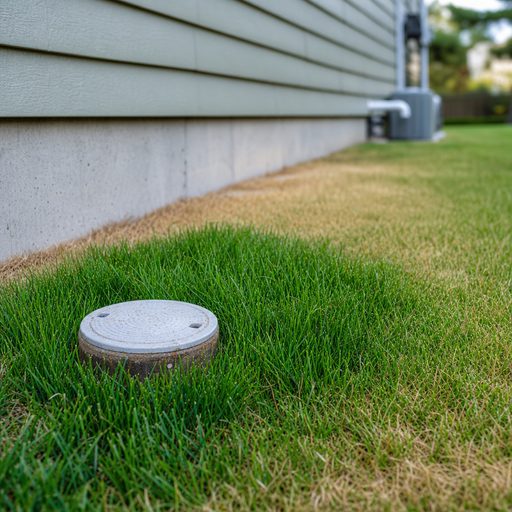
- Unusually lush, soggy, or sunken patches appear in the yard above the sewer path.
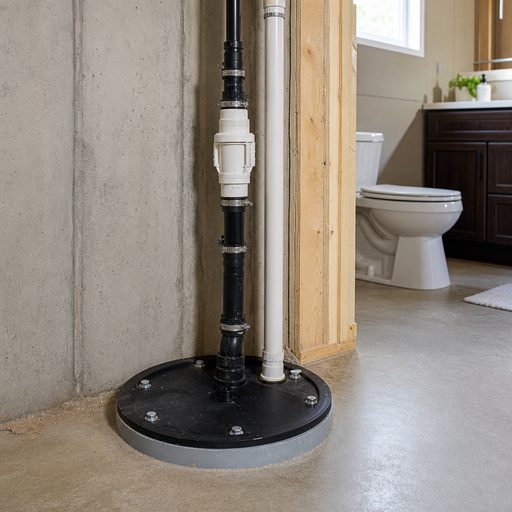
- The lowest drains in the house, such as a basement, are the first to back up.
Treat sewage backups as a health hazard
Sewage contains harmful bacteria. If wastewater backs up into your home, avoid contact, keep children and pets away, and stop using water that drains to that line. Do not attempt to dig up or open the sewer line yourself; this work requires professional equipment and expertise.
Common Causes of Sewer Line Trouble
Sewer lines fail for a handful of common reasons, and the cause influences the right fix. Older clay or cast-iron pipes are especially prone to several of these problems, but newer lines are not immune either, particularly where large trees grow nearby or where the ground shifts with the seasons. Knowing the usual causes can help you understand what a professional may find during an inspection.
- Tree roots growing into pipe joints and seams in search of moisture.
- Grease, wipes, and other non-flushable items building up over time.
- Pipe corrosion, cracks, or full collapse in older lines.
- Bellied or sagging sections of pipe where waste collects and stalls.
- Ground shifting from freeze-thaw cycles, settling soil, or nearby construction.
Main-line problem or one fixture?
| Pattern | More likely direction | What to do |
|---|---|---|
| One sink or tub is slow | A clog near that fixture | Stop using the fixture if it backs up and avoid chemical drain cleaners |
| Several low fixtures back up together | A branch or main sewer restriction | Reduce water use and arrange drain or sewer diagnosis |
| A tub fills when a toilet flushes | Wastewater cannot move freely downstream | Stop testing with more water and call for service |
| Neighbors are affected or a street manhole is overflowing | A possible municipal sewer problem | Report it to the sewer utility and keep wastewater away from people and pets |
Who may be responsible for the repair?
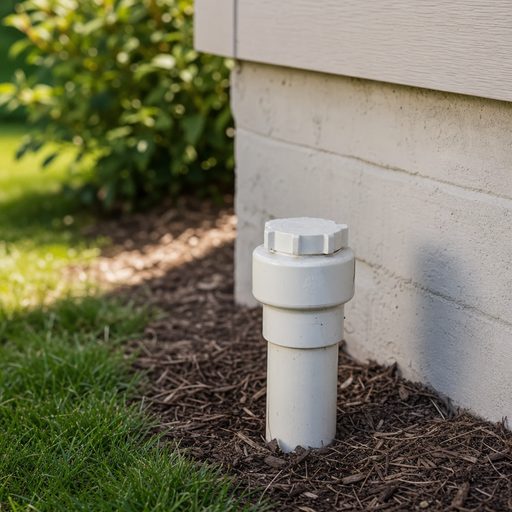
Responsibility often depends on where the blockage or defect sits. The property owner commonly maintains the private building sewer or lateral, while the utility maintains the public main, but the boundary and cleanout rules vary by community. A plumber can locate a private-side restriction; the sewer utility can investigate a main problem, especially when multiple properties or public manholes are affected. Confirm the local ownership boundary before authorizing excavation.
What a camera inspection can and cannot show
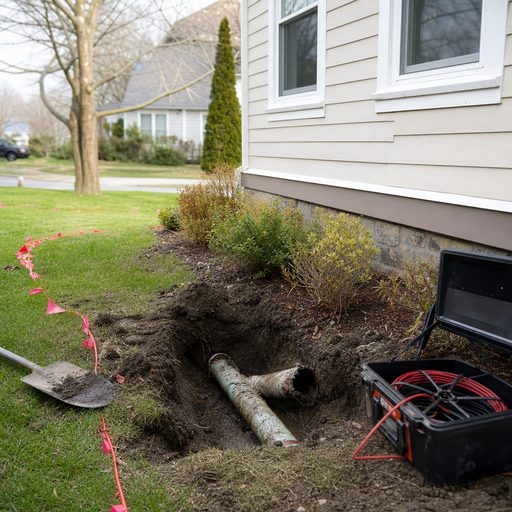
A sewer camera can document roots, standing water, offsets, cracks, corrosion, and a collapsed section when the line is open enough for the camera to pass. It does not by itself measure every defect or prove who owns the damaged segment. Good diagnosis pairs the video with the line route, cleanout locations, observed flow, and sometimes locating equipment. Ask for the recording and a clear explanation of the defect before comparing repair options.
When to Call a Professional
Sewer line issues are not a do-it-yourself project. A professional can use a camera inspection to pinpoint the exact problem and its location without guesswork or unnecessary digging. If you notice any of the warning signs above, sewer line repair service can diagnose and resolve the underlying cause, while professional drain cleaning may clear root intrusion or buildup before it leads to a full backup. For context on how a routine clog differs from a main-line failure, see our comparison of drain cleaning versus sewer line cleaning and our guide to telling if a drain clog is serious.
Can one clogged toilet mean the main sewer line is blocked?
It can, but one fixture alone more often points to a local toilet or branch clog. A main-line problem becomes more likely when several low fixtures react together or one fixture backs up when another drains.
Should I keep running water to test a possible sewer backup?
No. Repeated testing can add wastewater to a blocked line and push sewage into lower fixtures. Reduce water use and arrange diagnosis once the multi-fixture pattern is clear.
Does a sewer odor always mean the sewer line is broken?
No. A dry trap, loose cleanout cap, failed wax seal, or venting issue can also release odors. Odor combined with repeated backups, wet soil, or several affected drains deserves faster investigation.
Will a sewer camera find every problem?
No. A camera needs enough access and visibility to travel through the line, and it may not quantify a leak or show the outside of the pipe. It is most useful when combined with flow observations and line locating.
Sources and further reading
These references support material safety, technical, consumer, or planning guidance in this article. Confirm property-specific requirements with the applicable authority and professional.