 Plumbing Advisors Editorial TeamEditorial StandardsUpdated July 5, 2026Source-Checked
Knowing the difference between drain cleaning and sewer line cleaning helps you describe your plumbing problem more accurately and helps you get the right fix the first time. Drain cleaning targets individual fixtures, while sewer line cleaning addresses blockages deep in your main pipe. Understanding these services prevents wasted money and frustration with recurring clogs.
How Does Drain Cleaning Work?
- Effective for clearing blockages in individual sinks, tubs, or showers.
- Removes buildup from hair, soap, toothpaste, and food particles.
- Utilizes hand augers, small drum machines, or air plungers.
- Often involves cleaning or replacing P-traps, pop-ups, or tailpieces.
- Limited to clearing problems near fixtures—not main pipes.
What Is Involved in Sewer Line Cleaning?
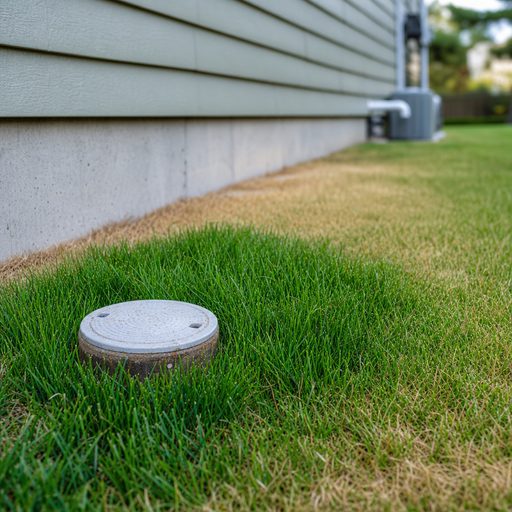
Hydro jetting is one common method for main sewer lines, using high-pressure water to scour the inside of the pipe and break up roots, sludge, and hardened deposits. Mechanical sewer augers, often called 'sewer snakes,' have longer cables and powerful cutting heads to break through tough blockages. In many cases, the plumber will first do a video camera inspection with brands like RIDGID or Spartan to pinpoint the location, type of obstruction, or structural defects in the pipe. Components often checked or discussed during these visits include cleanout access points, the main sewer trap, and large-diameter couplings.
- Clears obstructions in the main pipe servicing entire property.
- Removes tree roots, grease, wipes, and dense waste blockages.
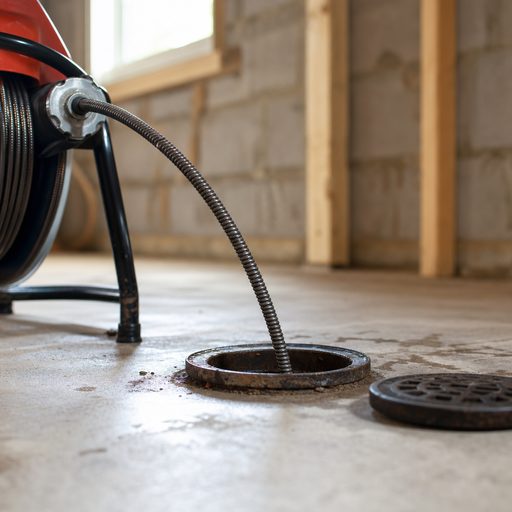
- Uses hydro jetting and commercial-grade sewer augers.
- Often starts with a video camera inspection for diagnosis.
- Involves accessing cleanouts and may require more setup time.
How to Tell Which Service You Need
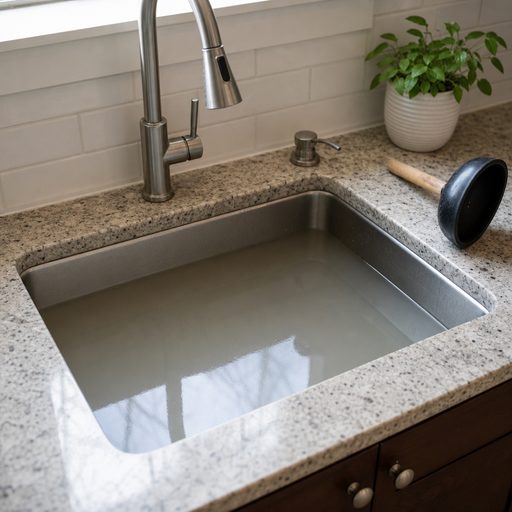
Matching your symptoms to the right service is essential, both for effectiveness and to avoid repeat calls. A good rule of thumb: if just one fixture (like a kitchen sink or bathtub) drains slowly or backs up while everything else in your house works fine, you likely need traditional drain cleaning. Problems isolated to one drain almost always mean the branch line or even just its P-trap is the problem, not the main sewer. See our service pages on Drain Cleaning and help with a Clogged Drain for more about these symptoms.
On the other hand, if you notice slow draining or backups in multiple fixtures—especially those at the lowest points in your house (such as a basement floor drain, downstairs shower, or ground-level toilet)—the culprit is almost always the main sewer line. Gurgling from one fixture when you use another, raw sewage odors near drains, or water backing up whenever you flush a toilet also signal a problem deeper in the system. For help decoding tricky symptoms, browse our guides on the Signs of a Sewer Line Problem and How to Tell If a Drain Clog Is Serious.
- One fixture affected: likely a branch drain clog.
- Multiple fixture backups: main sewer line likely blocked.
- Gurgling, sewage odors, or floor drain overflow: main line or vent issue.
- Recent heavy rains: could cause main line backup via municipal system.
- Frequent repeats: possible hidden pipe damage beyond usual clogs.
What a Professional Inspection Includes
A comprehensive plumbing visit starts with an interview about your plumbing symptoms, followed by basic checks at the affected fixtures. For branch drains, this might include removing the P-trap, snaking into the waste arm, and inspecting for signs of leaks or corrosion. Plumbers may also examine older pop-up assemblies found on many Kohler or Delta faucets, since debris often gets trapped there. If the problem isn’t resolved quickly, they often recommend using a video camera to look further down the line or even in the main drain.
Camera inspections of main sewer lines are increasingly common, especially when homeowners face repeated backups. Brands such as RIDGID, Spartan, and General Pipe Cleaners manufacture sewer inspection cameras that help identify not just the location but the exact cause: root intrusion, collapsed pipe, debris, or even a foreign object. These cameras also allow your plumber to check important components like the main cleanout, the sewer trap, and the vent stack where clogs or breaks can also occur. Confirm locally for code requirements about access points and backflow valves, as regulations can vary considerably.
Main Parts and Components Affected
Whether you need drain cleaning or sewer line cleaning, a handful of plumbing parts are key to both diagnosis and repair. For branch lines, the P-trap (the curved pipe under sinks), the waste arm, and the branch vent are common clog points. In kitchens, the garbage disposal unit (e.g., InSinkErator or Moen), and the dishwasher drain hose can also contribute to buildup. Bathroom fixtures may have hair or debris packed around the pop-up drain assembly.
In sewer line cleaning, focus shifts to large-diameter segments such as the main line itself, cleanout fittings, and sometimes the main house trap (where fitted), which can be a common pinch point in older plumbing systems. Other critical components are backwater valves (to prevent sewage backflow), large rubber couplings (like Fernco brand fittings), and the main vent stack. A pro may also check the main shutoff if flooding or a sewer backup risks water intrusion. Many of these parts can last decades, but tree roots and shifting soils can prematurely damage even modern, code-compliant materials.
- P-trap: beneath sinks, a common clog collector.
- Pop-up drain assembly: in bathroom sinks, can trap debris.
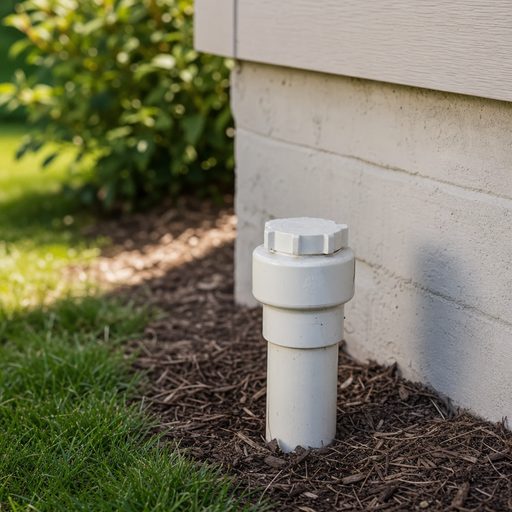
- Main sewer cleanout: key access for inspection and cleaning.
- Backwater valve: prevents wastewater from flowing back indoors.
- Rubber or no-hub couplings: connect and seal main drain sections.
What Drives the Cost of Each Service?
Drain cleaning and sewer line cleaning differ in both complexity and time required, which heavily influences their price range. For a basic branch line clog, a visit can often be resolved quickly with a handheld auger or simple snaking. However, multiple stubborn clogs, hard-to-reach locations, or corroded pipes can increase the effort and time required, leading to a higher service charge. Brand and part compatibility—such as those involving Moen, Kohler, or Delta fixtures—can also make a difference in terms of available replacement parts.
Sewer line cleaning costs more because it requires specialized machinery (hydro jetters, heavy-duty augers), more time, and greater expertise—particularly if excavation or spot repairs are needed. Factors driving costs include the severity and location of the blockage, the need for a camera inspection, access to an exterior cleanout, and whether tree roots or pipe collapse are involved. Home age and plumbing material can also impact the complexity of the job. For a qualitative breakdown of what affects your bill, consult the related cost guide for details by service type and situation.
Get Camera Inspections for Repeat Sewer Clogs
If you face repeated main drain backups, request a camera inspection before authorizing more cleaning. Identifying cracks, roots, or pipe misalignment early can save on frequent service calls and help you decide if sewer line repair is the better investment.
When Hidden Problems Are Found
Not all drain or sewer blockages are caused by simple clogs or buildup. Underground sewer lines can suffer from root infiltration, bellied or sunken piping, or joint separation—particularly in older homes with clay or cast iron pipes. Even heaving from seasonal freeze-thaw cycles can shift pipes enough to cause chronic problems that cleaning won’t fully resolve. When a camera inspection reveals structural pipe damage, you may need more extensive Sewer Line Repair rather than another round of cleaning.
Check Local Plumbing Codes
Branch and main sewer line installations are governed by local plumbing codes. Access points, backwater valve requirements, and sometimes even cleaning methods will vary. Always have a licensed plumber confirm that any repair or cleaning approach meets your area’s code before proceeding.
Prevention Tips: Keeping Drains and Sewer Lines Clear
Preventing drain and sewer problems is easier and more affordable than dealing with emergencies. In branch lines, simple habits like not putting grease, coffee grounds, or fibrous foods (like celery) down the kitchen sink can help. Use sink strainers and hair catchers for bathroom drains, and regularly clean P-traps if you notice recurring slowdowns. Avoid flushable wipes and only dispose of toilet paper down toilets—most wipes do not break down quickly enough and often contribute to main line clogs.
For main sewer line protection, periodic camera inspections (especially for homes with mature trees) can catch minor root intrusion early. If your yard is prone to shifting soils or you have an old clay or cast-iron line, consider discussing sewer pipe relining or root management with a pro. Address slow drains promptly and avoid harsh chemical cleaners, which can damage pipes and offer only temporary relief.
- Install hair catchers and strainers in all drains.
- Never pour grease or oil down kitchen sinks.
- Limit food waste in disposals; avoid fibrous peels and coffee grounds.
- Schedule periodic camera inspections for older homes or root-prone yards.
- Deal with slow drains promptly to prevent main line issues.
What is the main difference between drain cleaning and sewer line cleaning?
Drain cleaning addresses clogs in branch lines serving individual fixtures like sinks and tubs, using smaller, less invasive tools. Sewer line cleaning targets the main waste line for the whole house, requiring heavier equipment and often a camera inspection to clear deep blockages affecting multiple fixtures.
Are chemical drain cleaners safe for home use?
No. Chemical cleaners can corrode pipes, harm septic systems, and pose health risks from fumes. They rarely work on stubborn or deep clogs and may make the problem worse. Professional cleaning methods are safer, more effective, and won’t compromise your plumbing.
How do plumbers find out where a blockage is located?
Plumbers use a combination of symptom checks, experience, and video camera inspections. A camera sent down the line reveals not only blockage location but also its cause—such as roots, collapsed pipe, or dense buildup—allowing targeted cleaning or repair.
Why do my drains keep clogging even after cleaning?
Repeat clogs often indicate an underlying issue—like a partially collapsed pipe, poor slope, venting problems, or persistent tree roots. If standard cleaning does not fix it, ask about a camera inspection to check for structural problems or hidden debris further along the line.
Do all homes have a main sewer cleanout?
Not all homes, especially older ones, have an easily accessible cleanout. In such cases, cleaning and inspection may be more complex and time-consuming. If your home lacks a cleanout, discuss options for installation with a pro—many plumbing codes require one for future maintenance.
Sources and further reading
These references support material safety, technical, consumer, or planning guidance in this article. Confirm property-specific requirements with the applicable authority and professional.