 Plumbing Advisors Editorial TeamEditorial StandardsUpdated April 21, 2026Source-Checked
A clogged drain always seems to strike at the worst moment, but the good news is that most clogs are preventable with a few simple habits. The vast majority of everyday blockages come from a small set of culprits, and once you know what they are, keeping them out of your pipes becomes second nature. Building a few easy routines into how you use your kitchen and bathroom can spare you the hassle of slow drains and backups, and it goes a long way toward keeping your whole plumbing system flowing smoothly for years to come.
Habits for Your Kitchen Drain
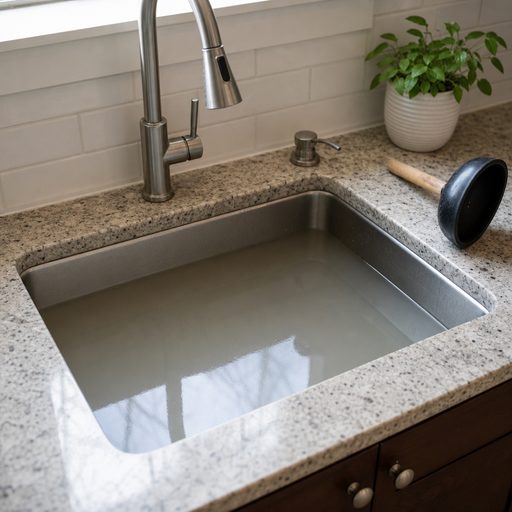
The kitchen sink takes a daily beating from grease and food, which together cause a large share of household clogs. Grease is especially deceptive: it pours down as a warm liquid, then cools and hardens inside the pipe, catching food particles until the line is blocked. A few careful habits keep your kitchen drain clear and reduce strain on a garbage disposal if you have one.
- Never pour cooking grease, oil, or fat down the drain; let it cool and throw it in the trash instead.
- Scrape food scraps into the trash or compost before rinsing dishes in the sink.
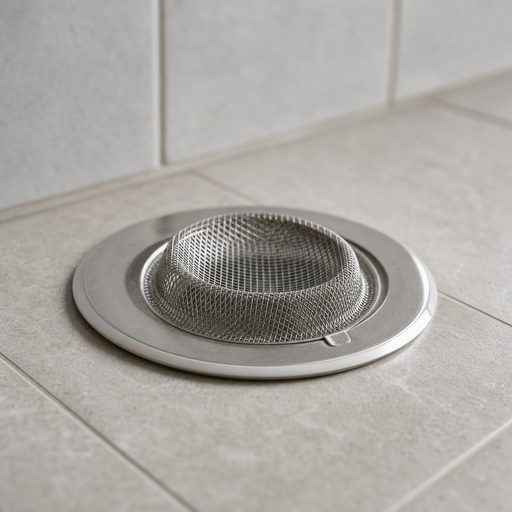
- Use a sink strainer to catch food particles, and empty it into the trash.
- Run plenty of cold water before, during, and after using a garbage disposal.
- Avoid putting fibrous foods, coffee grounds, eggshells, pasta, and rice down the disposal, as they easily build up.
Habits for Your Bathroom Drains
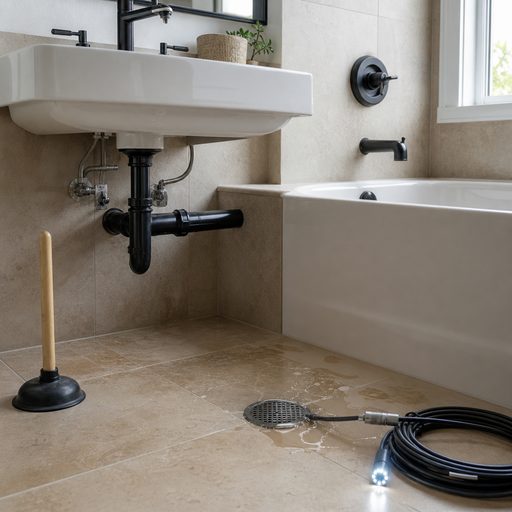
In bathrooms, the main offenders are hair and soap, which combine into a sticky mass that snags on the inside of the pipe and grows over time. Sink, tub, and shower drains all benefit from a few small precautions that stop this buildup before it starts. These habits are simple and make a noticeable difference in how freely your bathroom drains run.
- Place a hair catcher or screen over tub and shower drains and clean it out regularly.
- Remove and clean visible stoppers from sink drains every so often to clear trapped hair and gunk.
- Avoid washing loose hair, dental floss, or cotton swabs down any bathroom drain.
- Consider switching to liquid soap, since bar soap can leave behind a residue that contributes to buildup.
- Wipe up hair from the sink and counter and put it in the trash rather than rinsing it away.
What Should Never Go Down a Drain or Toilet
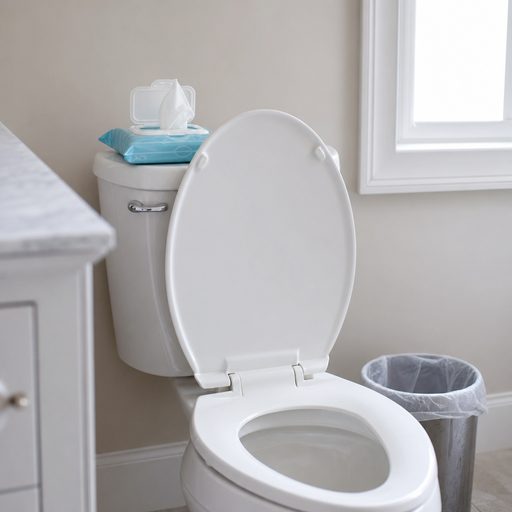
Plenty of clogs come from items that simply should never enter your plumbing, even when a product label suggests otherwise. Toilets in particular are designed to handle only human waste and toilet paper; almost everything else can lodge in the line or the main sewer and cause a backup. Keeping the following out of your drains and toilets prevents some of the most stubborn and unpleasant clogs.
- Wipes of any kind, including those labeled flushable, which do not break down like toilet paper.
- Paper towels, facial tissues, cotton balls, and cotton swabs.
- Feminine hygiene products, dental floss, and hair.
- Grease, oil, fat, and food scraps in the kitchen sink.
- Medications, paint, and harsh chemicals, which should be disposed of properly instead.
A Simple Hot-Water Routine
Beyond watching what goes down the drain, a periodic hot-water flush helps keep lines clear by rinsing away the light grease and soap film that builds up over time. Once a week or so, run hot tap water down your kitchen and bathroom drains for a minute or two to help carry away residue before it has a chance to harden and accumulate. For an occasional deeper clean that is safe for your pipes, you can pour in baking soda followed by white vinegar, let it fizz for a few minutes, and then flush it through with hot water. These gentle routines take only a moment and help prevent the slow buildup that eventually leads to a clog.
Do not rely on chemical drain cleaners
Chemical drain cleaners are not a prevention strategy and should be avoided entirely. They corrode pipes, produce hazardous fumes, and rarely clear a real blockage. Stick to good habits, strainers, and an occasional hot-water flush, and call a professional for any clog these measures do not prevent.
When to Call a Professional
Even with good habits, some drains are simply prone to trouble, and periodic professional drain cleaning is a smart way to keep a problem line flowing, especially if you have older pipes, large nearby trees, or a history of repeat clogs. If a drain is already slow or backing up despite your best efforts, help with a clogged drain can clear it safely and check for any underlying cause. Scheduling a cleaning before a known trouble spot acts up is often far easier than dealing with a full backup later. To tell whether a clog you are facing is minor or a sign of something deeper, see our guide on how to tell if a drain clog is serious, and if odors are part of the problem, our guide on how to get rid of smelly drains covers safe ways to clear them.
Sources and further reading
These references support material safety, technical, consumer, or planning guidance in this article. Confirm property-specific requirements with the applicable authority and professional.