 Plumbing Advisors Editorial TeamEditorial StandardsUpdated April 14, 2026Source-Checked
A foul smell drifting up from a sink, shower, or floor drain is unpleasant, but it is rarely a sign of disaster. Most drain odors come from ordinary buildup or a simple plumbing quirk that you can address safely yourself. The trick is to identify the source, because the right fix depends on what is causing the smell in the first place. In a few cases, a persistent odor can point to a deeper problem in your venting or sewer line, so it helps to know both the everyday causes and the warning signs that mean it is time to call a professional.
Common Causes of Drain Odors
Drain smells usually trace back to one of a few sources, and pinpointing which one you are dealing with makes the problem far easier to solve. Some causes are confined to the drain you are smelling, while others, like a venting issue or a sewer problem, can affect more than one fixture. The list below covers the most common culprits.
- Biofilm buildup, a slimy layer of food, soap, grease, and bacteria coating the inside of the pipe and trap.
- A dry P-trap in a drain that has not been used in a while, letting sewer gas rise up through it.
- Garbage disposal residue, where food particles cling to the splash guard and grinding chamber.
- Venting issues that let sewer gas escape into the home instead of out through the roof vent.
- A deeper sewer odor coming from the main line, which can signal a more serious problem.
Safe Fixes You Can Try
Several gentle, safe methods clear the most common drain odors without any harsh products. Start with the simplest options, since a good portion of smelly-drain complaints come down to ordinary buildup or a trap that has dried out. The steps below are safe for your pipes and easy to do.
- Flush the drain with a kettle of hot, not boiling, water to loosen and rinse away light buildup and grease.
- Pour in about half a cup of baking soda followed by a cup of plain white vinegar, let it fizz for several minutes, then rinse with hot water.
- Refill a dry trap by running water down a seldom-used drain for a minute to restore the water seal that blocks sewer gas.
- Clean a garbage disposal by scrubbing the rubber splash guard, running it with cold water, and grinding a few ice cubes to scour the chamber.
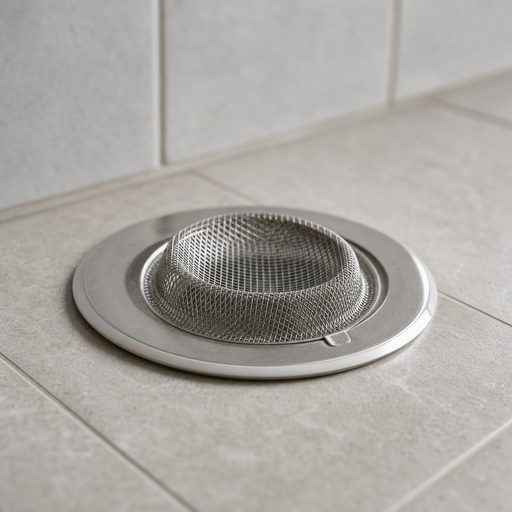
- Wipe and clean visible stoppers and strainers, which often trap odor-causing debris right at the surface.
Skip the chemical drain cleaners
Avoid the temptation to use a chemical drain cleaner on a smelly drain. These products corrode pipes, create hazardous fumes, and rarely address the real cause of the odor. Stick to hot water, baking soda and vinegar, and cleaning the trap or disposal, and call a professional if the smell persists.
How a Dry Trap Causes Odors
One of the most common and most easily fixed causes of a drain smell is a dry P-trap. The P-trap is the curved section of pipe beneath a sink, tub, or floor drain, and it is designed to hold a small amount of water at all times. That trapped water forms a seal that blocks sewer gas from rising up out of the pipe and into your home. When a drain goes unused for a while, such as a guest bathroom or a basement floor drain, the water in the trap can slowly evaporate, breaking the seal and letting odors through. Simply running water down the drain for a minute refills the trap and restores the barrier, which is why an occasional flush of rarely used drains keeps these smells from appearing in the first place.
When a Smell Means a Real Problem
Most drain odors clear up with the simple steps above, but some point to a problem that needs professional attention. A persistent sewer smell that returns no matter how much you clean, or one that appears at several drains at once, can indicate a venting issue or trouble in the main sewer line rather than ordinary buildup. Pay attention if a strong odor is paired with other warning signs, such as multiple slow drains, gurgling fixtures, or sewage smells in the yard, since those together suggest the source runs deeper than a single trap.
When to Call a Professional
If the safe fixes do not banish the smell, or if the odor comes with signs of a larger issue, it is worth bringing in a professional. Persistent buildup deep in a line is best handled by professional drain cleaning, which clears the source of the odor without harsh chemicals or risk to your pipes. If the smell seems to come from a main-line or venting problem, or several fixtures are affected at once, help with a clogged drain or a sewer evaluation can locate the real cause, often with a camera inspection. To judge whether the trouble is minor or serious, see our guide on how to tell if a drain clog is serious, and to keep odors from coming back, our guide on how to prevent clogged drains covers the habits that keep your lines clear.
Sources and further reading
These references support material safety, technical, consumer, or planning guidance in this article. Confirm property-specific requirements with the applicable authority and professional.