 Plumbing Advisors Editorial TeamEditorial StandardsUpdated April 25, 2026Source-Checked
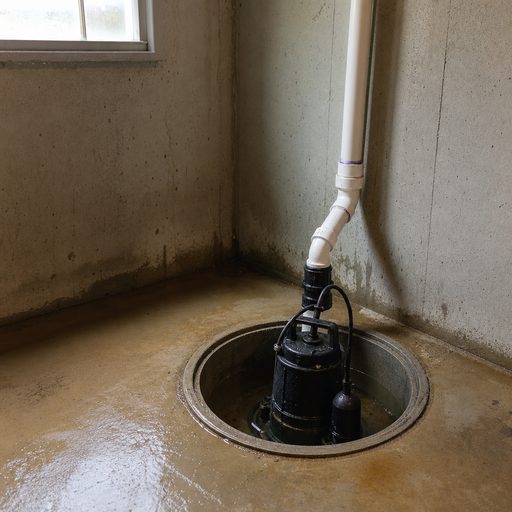
A sump pump quietly protects your basement by pumping out water that collects beneath your home, and it is easy to forget about until the day it fails. Unfortunately, that day often arrives during a heavy storm, exactly when you need it most and when a flooded basement does the most damage. The reassuring part is that a sump pump usually gives off warning signs before it quits for good, so learning to recognize them and running a few safe checks can help you catch a problem before the next downpour finds it for you.
Signs Your Sump Pump Is Failing
Sump pumps tend to show their age and wear in fairly recognizable ways. Some signs are about how the pump behaves, while others are about its condition or simply how old it is. If you notice any of the patterns below, treat it as a prompt to test the pump and consider service before you are relying on it in an emergency.
- The pump runs constantly or cycles on and off rapidly, even when there has been little rain.
- The pump does not turn on at all when the pit fills with water.
- Strange noises such as grinding, rattling, or loud humming while it runs.
- Visible rust or corrosion on the pump, or rusty, discolored water in the pit.
- Excessive vibration, which can signal a damaged or jammed impeller inside the pump.
Safe Checks You Can Run
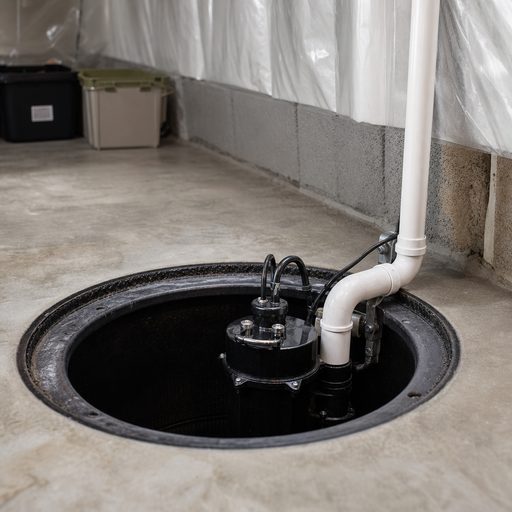
A handful of simple checks can tell you a lot about whether your pump is working, and none of them require taking the pump apart. Confirm the pump is actually receiving power and that nothing has interfered with its switch, then test it the way nature would. The most telling test is to pour a bucket of water into the sump pit and watch what happens: the float should rise, the pump should switch on, remove the water, and shut itself off cleanly.
- Confirm the pump is plugged in and that the outlet has power. If a breaker has tripped, you may reset it once, but if it trips again, stop and call a professional.
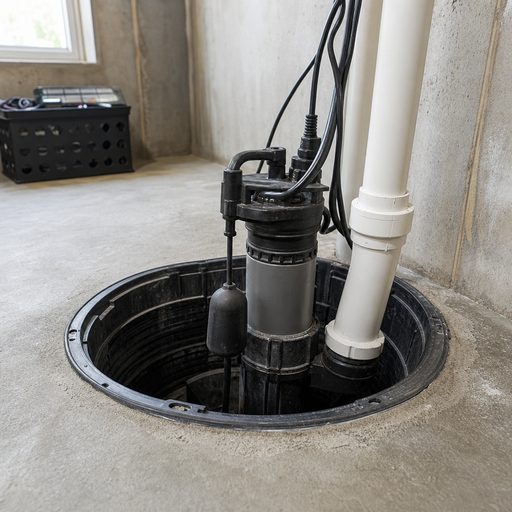
- Check that the float can move freely and is not stuck against the side of the pit or tangled in debris.
- Pour a bucket of water into the pit to test the cycle, watching that the pump turns on, drains the water, and shuts off on its own.
- Look outside to confirm the discharge line is not clogged, frozen, or pointed back toward the foundation.
- Clear any visible debris from the pit that could jam the pump or block the intake.
Never step into a flooded basement with power on
Standing water and electricity are a deadly combination. If your basement has flooded and the sump pump or any outlet sits in or near the water, do not wade in to check or unplug it. Stay out of the water and, if you can safely reach your breaker box without standing in water, cut power to the area. Otherwise, keep clear and call a professional.
Why Failure During Storms Is So Damaging
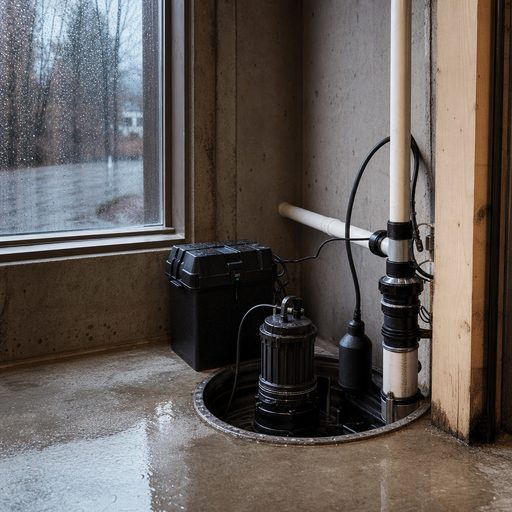
Sump pumps are stressed hardest during heavy storms, when groundwater rises fast and the pump must run almost continuously. Storms are also when power outages are most likely, and a pump with no power cannot move a drop. This is why a battery backup is such a worthwhile safeguard: it keeps the pump running through an outage or when the main pump is overwhelmed, which is precisely the moment a basement is most likely to flood. A pump that tested fine in dry weather can still be caught out by the combination of a downpour and a dead outlet.
When to Call a Professional
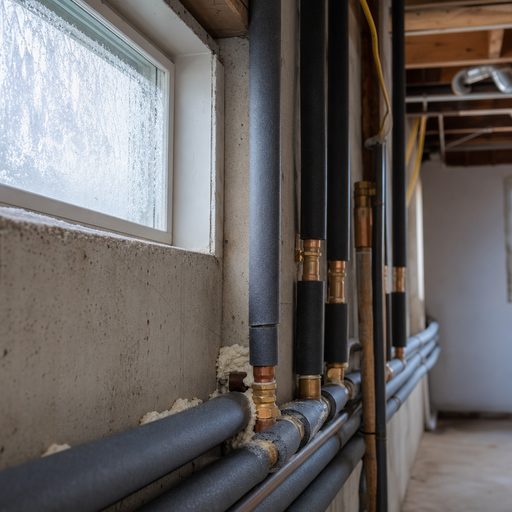
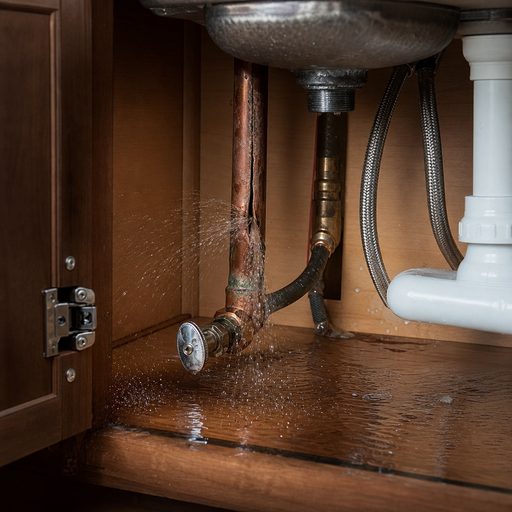
If your pump fails the bucket test, makes grinding noises, trips a breaker repeatedly, or is simply reaching the end of its expected life, it is time for service. Sump pump repair can diagnose a failing motor, switch, or impeller and get reliable protection back in place, and a professional can also add a battery backup so the next storm and outage do not catch you off guard. If a pump has already failed and your basement is actively flooding, emergency plumber service can help you respond quickly and safely. Because storms and freezing both put plumbing at risk, our guide on how to prevent frozen pipes and our guide on what to do when a pipe bursts are useful companions for protecting your home in bad weather.
Sources and further reading
These references support material safety, technical, consumer, or planning guidance in this article. Confirm property-specific requirements with the applicable authority and professional.