 Plumbing Advisors Editorial TeamEditorial StandardsUpdated July 5, 2026Source-Checked
A frozen pipe is not always a burst pipe, but both pose a significant risk to your home—especially during thawing. A frozen pipe means water inside the pipe has turned to ice and blocked flow, while a burst pipe means the pipe has split open, often hidden until the ice plug melts. Accurate identification and careful steps during thawing can prevent major water damage and expensive repairs.
How Do You Tell if a Pipe Is Frozen or Burst?
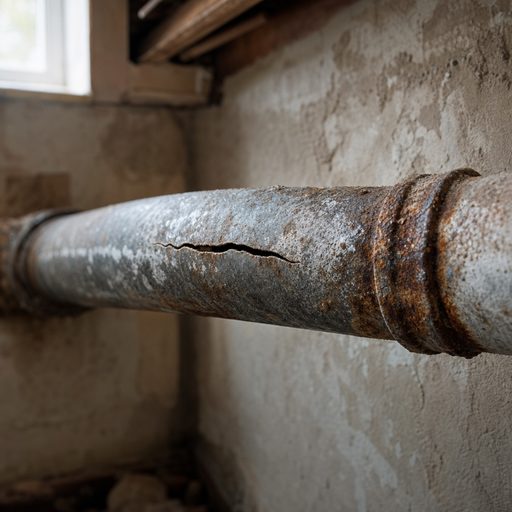
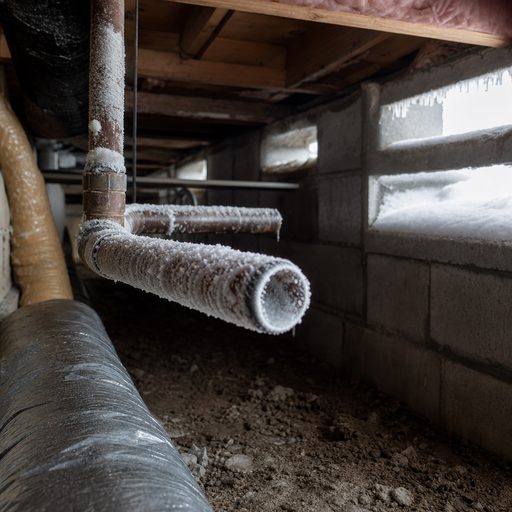
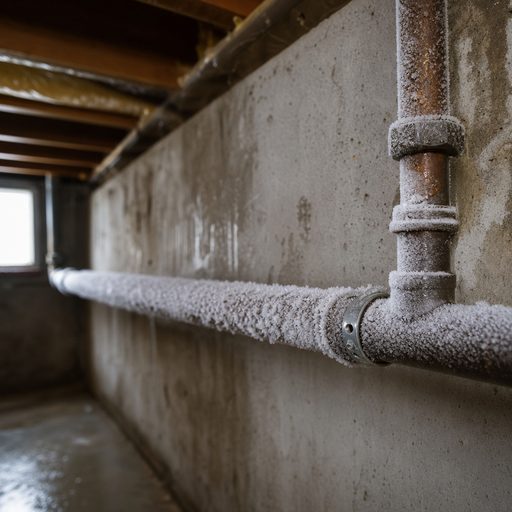
Frozen pipes usually reveal themselves in cold weather by a sudden loss or drastic reduction of water flow from one or more fixtures, even when others work fine. Often, the affected section will feel extremely cold or show a layer of exterior frost. Visibly swollen, bulging, or cracked pipes are clear warnings that freezing has pushed the pipe to bursting or already split it. The real challenge is that a burst caused by freezing may not leak immediately: ice acts as a temporary plug, so damage stays hidden until thawing. Finding wet spots, stains, or unexpected puddles around pipes after a freeze signals it's time to take immediate action.
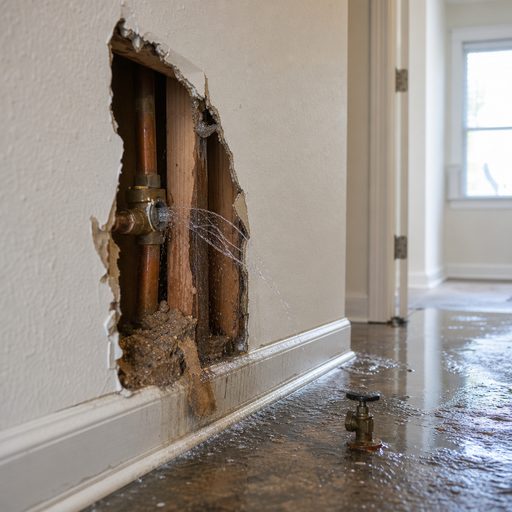
Some telltale symptoms point more toward one or the other. Low water pressure or no flow at a specific tap typically means a frozen blockage, not necessarily a ruptured pipe. But if, after a cold snap or attempted thaw, water stains appear on walls or ceilings, or you notice musty odors or bubbling paint, these are strong signs the pipe has split and is leaking. While visible pipes might show physical clues—a split seam, a bulging section, or even a fine spray as thawing begins—many breaks are hidden behind walls or under floors, and only become apparent once thawing starts.
- No water or a trickle at one faucet during freezing weather: suggests a frozen pipe.
- Frost, ice buildup, or condensation on exposed pipes: pinpoint the freeze spot.
- Bulging, cracks, or splitting along a pipe—especially joints or seams: indicates bursting.
- Water stains, pooling, or damp drywall around pipes: often appear as thawing begins.
- Strange odors or discolored water after thawing: can suggest pipe damage and potential contamination.
Why Do Pipes Burst When They Thaw?
Pipes burst not from the ice itself, but from the pressure that builds up when water expands as it freezes and blocks the pipe. The ice plug often forms in the most exposed, coldest section—behind an exterior wall, in an uninsulated crawlspace, or outside. Water trapped between the freeze and a closed faucet or upstream valve has nowhere to go, causing pressure to build until the pipe wall splits, often along weakened seams, elbows, or around fittings like tees and couplings.
When temperatures rise and the ice plug starts to melt, it’s common for previously hidden breaks to unleash water suddenly. The thawed water now has a direct path, escaping through any cracks or splits created during the freeze. In copper, PEX, or PVC lines, this typically occurs at vulnerable points—the connections, soldered joints, or transition fittings. Manufacturers like NIBCO (for copper fittings) and SharkBite (for push-to-connect repairs) offer solutions, but a professional should determine whether a simple patch, a full section replacement, or re-routing is safest. For a deeper look into what causes a pipe to burst, see our separate guide: What Causes a Pipe to Burst?
Don’t Let Thawing Catch You Off Guard
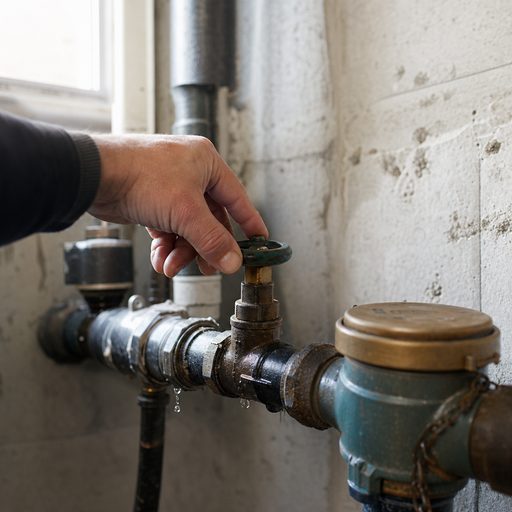
Most water damage from burst pipes happens during thawing, not while the freeze is in effect. Always know the location of your main water shutoff valve before attempting to thaw any pipe. Have towels and buckets ready, and watch at-risk areas closely as temperatures rise.
What Should You Do If You Find a Frozen Pipe?
If you suspect a pipe is frozen but not yet damaged, act quickly but cautiously. First, open the affected faucet so that as the ice melts, water can flow out and relieve pressure. Use a hair dryer, portable heater (kept clear of flammables), or towels soaked in hot water to gently warm the frozen section, working from the faucet end toward the frozen spot. Focus heat on the pipe itself, not on wall surfaces, to minimize fire risk.
Never use an open flame, torch, or very high heat device—this can not only damage the pipe (especially with older PVC or CPVC), but also poses a fire hazard. If the frozen section is not accessible (e.g., inside a wall) or you’re unable to locate the freeze, it’s time to call for emergency plumbing help. Professionals use specialized equipment like thermal cameras and pipe locators to pinpoint and safely thaw sections, reducing further risk.
How to Respond to a Burst Pipe During Thawing
If a pipe bursts while thawing, speed is critical. Immediately shut off the main water supply using your main shutoff valve—usually found near where the water service enters your house. This minimizes water damage and stops further flooding. Open any remaining faucets to drain residual pressure and reduce leaks. For electrical hazards (such as water near outlets or the breaker panel), cut power to that area if safe and avoid contact until a pro gives the all-clear.
Once the situation is safe, document any visible damage for future reference. Call a licensed plumber experienced in burst pipe repair. They’ll typically inspect nearby pipe segments for hidden stresses or hairline cracks, check fittings like TPR (Temperature and Pressure Relief) valves on water heaters, and may evaluate insulation levels in affected areas to help avoid repeat incidents. For more on what to do during a pipe burst, see our guide: How to Stop the Water From a Burst Pipe.
Diagnosis Pros Use: How Plumbers Find Hidden Breaks
Diagnosing damage behind walls or underground requires more than visual inspection. Professional plumbers use moisture meters to detect hidden leaks behind drywall or flooring, and thermal imaging cameras to spot temperature anomalies. In many cases, acoustic listening devices help isolate hissing or dripping sounds indicating a break, even in slab or underground pipes.
Technicians might cut small access holes or use inspection cameras to directly observe pipe interiors for splits or breaks. At this stage, they’ll also check related components: pipe hangers for strain, expansion joints, and any inline valves such as pressure reducing valves (PRV), which can sometimes be affected by freeze/thaw cycles. If there’s a risk to water heaters, appliances, or multi-unit lines, those get tested as well to ensure broader system integrity isn’t compromised.
Pro tip: Prevent future frozen pipes with insulation and smart monitoring
Adding pipe insulation, heat tape, or smart leak detectors (such as those from Moen or Honeywell) in vulnerable areas can help prevent freezes or alert you to leaks before major damage occurs. Staying proactive with these upgrades is usually less disruptive than repeated repairs.
Repair Options for Frozen and Burst Pipes
Frozen pipes that have not burst can often be restored simply by thawing. However, when there’s a split, full repair is required. Repair approaches depend on the pipe material and location. Copper pipes often require cutting out the damaged section and replacing it with new copper and soldered joints or push-fit connectors—brands like SharkBite are popular for fast repairs. For PEX pipes, replacement involves special crimp or clamp fittings. For PVC or CPVC, solvent-weld couplings or new pipe runs are used.
What Drives the Risk of Frozen or Burst Pipes?
Several factors affect which pipes freeze or burst first: exposure to cold (especially pipes in crawlspaces, exterior walls, or unheated garages), pipe material, insulation or lack thereof, and home layout all play roles. Older homes with minimal wall insulation are at higher risk, while certain pipe types (like galvanized steel or thin-walled copper) may split more readily under extreme pressure. Components such as uninsulated hose bibbs, water meter assemblies, and outdoor plumbing fixtures are especially prone unless winterized.
The cost to fix or prevent these issues is driven by repair complexity, how easy it is to access the damaged section, what parts need replacement, and whether other parts of the system (like shutoff valves, PRVs, or water heater TPR valves) are involved. If major sections have failed, costs rise due to increased labor and the need for more materials. To gauge the potential costs in your situation, review the related cost guide.
How to Prevent Frozen or Burst Pipes in the Future
Preventing frozen and burst pipes relies on a combination of insulation, smart plumbing practices, and system upgrades in risk-prone areas. Pipe foam insulation and heat tape are first lines of defense for exposed runs. Smart leak detectors from brands like Moen, Honeywell, or Flo can send instant alerts if they detect moisture, letting you catch problems during thaws or overnight cold snaps. Regularly check vulnerable spots: outdoor hose bibbs, attic or crawlspace pipes, water heater supply lines, and meter boxes.
If you plan on traveling when cold weather is expected, keep the thermostat above freezing and, if possible, shut off your main water supply and drain lines. Some homeowners choose to upgrade older plumbing to more freeze-resistant materials (like PEX), or reroute exposed pipes indoors or into conditioned space. Consulting with a plumber to assess risk in your specific home is often worthwhile. For detailed advice about underlying system issues, our What Causes a Pipe to Burst? guide provides in-depth explanations.
- Insulate exposed pipes in basements, crawlspaces, attics, and garages.
- Install smart leak or temperature sensors for early warning.
- Keep a slow trickle running at risk-prone faucets during deep freezes.
- Seal exterior wall gaps where pipes enter, to reduce cold drafts.
- Regularly maintain shutoff valves and water filtration assemblies.
If my pipe is frozen but hasn’t burst, is it safe to thaw it myself?
You can thaw an accessible frozen pipe with safe methods like a hair dryer, warm towels, or a space heater. Always open the faucet first to relieve pressure and start at the end nearest the tap. Never use a torch or open flame. If the pipe is out of reach or in a wall, call a professional.
What are the most common spots for pipes to freeze in a home?
Pipes near exterior walls, in uninsulated basements, crawlspaces, attics, or inside cabinets on exterior walls are most likely to freeze. Outdoor hose bibbs, meter boxes, and plumbing in unheated garages are also at high risk without insulation or winterization.
How can I detect a burst pipe if the leak is hidden behind a wall?
Signs of a hidden burst include new water stains or bulges in drywall, unusual odors, loss of water pressure, and unexplained sounds of running water. A plumber can use moisture meters, thermal cameras, or inspection cameras to confirm the location without major demolition.
Is homeowner's insurance likely to cover burst pipe damage?
Most homeowner's policies cover sudden water damage from burst pipes, but may not cover gradual leaks or resulting mold issues if maintenance was neglected. Check your policy specifics and document any damage promptly to support your claim.
What can a plumber do to make my pipes more resistant to freezing?
A plumber can add pipe insulation or heat tape, reroute exposed lines to protected areas, install smart leak detectors, and check or upgrade vulnerable sections with more freeze-resistant materials like PEX. They may also recommend automatic shutoff valves or winterization strategies tailored to your plumbing layout.
Sources and further reading
These references support material safety, technical, consumer, or planning guidance in this article. Confirm property-specific requirements with the applicable authority and professional.
- U.S. EPA WaterSense - Home maintenance
- U.S. EPA WaterSense - Fix a Leak Week
- MedlinePlus - Drain cleaner poisoning
- U.S. EPA - Household hazardous waste
- U.S. Department of Energy - Water heating
- U.S. Department of Energy - Water-heater selection guide
- American Red Cross - Preventing and thawing frozen pipes