 Plumbing Advisors Editorial TeamEditorial StandardsUpdated April 28, 2026Source-Checked
A burst pipe can release a startling amount of water in a very short time, so the single most useful thing you can do is stop the flow quickly. Every minute the water keeps running adds to the damage, which means knowing where your shutoffs are and how to use them safely is worth far more than any cleanup tip. The good news is that stopping the water is usually a simple, safe action any homeowner can take. The steps below walk through how to do it calmly and in the right order, along with the hazards to keep in mind so you stay safe while you work.
Find and Turn Off the Main Shutoff Valve
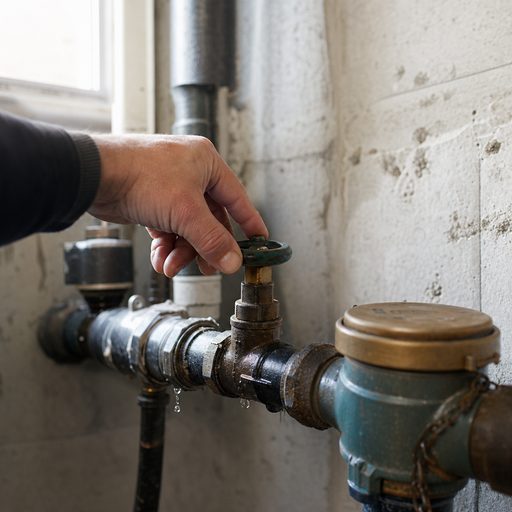
Your fastest way to stop the water is the main shutoff valve, which controls the entire home's water supply. It is usually located where the water line enters the house, often in a basement, crawl space, utility closet, or garage, or outside near the meter in warmer climates. To close it, turn a round wheel-style valve clockwise until it stops, or turn a lever-style valve a quarter turn so it sits crosswise to the pipe. If you have never located your main shutoff, the time to find and label it is now, before an emergency, because searching for it while water pours out costs precious minutes.
- Go straight to the main shutoff valve and close it to stop water to the whole house.
- If the break is at a single fixture, such as under a sink or behind a toilet, you can instead close the smaller shutoff valve serving just that fixture.
- After the main is off, open a few cold faucets on the lowest level to drain the remaining water in the lines and relieve pressure on the broken pipe.
- Flush a toilet once to help clear water from the system.
- If you cannot find or turn the valve, many homes have a shutoff at the street meter, though that may require a special key and a call to your water utility.
Keep clear of water near electricity
Water and electricity together are dangerous. If water is pooling near outlets, appliances, or your electrical panel, do not step into it. If you can reach your breaker box without standing in water, shut off power to the affected area; if you cannot reach it safely, stay clear and call a professional. Never attempt electrical work yourself, and when in doubt, keep your distance and wait for help.
Relieve Pressure and Contain the Flow
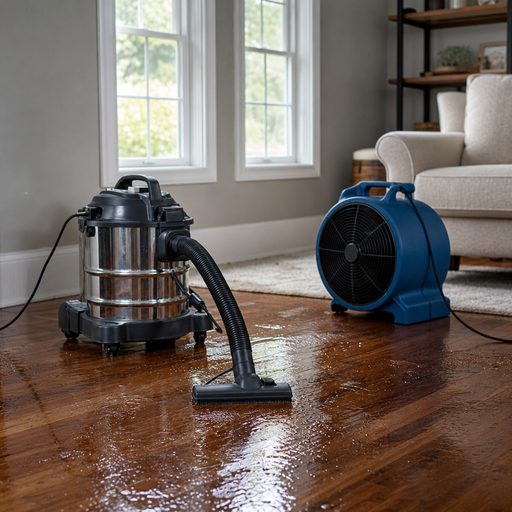
Once the main valve is closed, opening faucets and flushing a toilet drains the water still sitting in the pipes so it stops feeding the break. While that happens, do what you safely can to contain the water already loose. Place buckets, bins, or towels under active drips, and move furniture, rugs, electronics, and valuables out of the way. If the break is overhead and a ceiling is bulging with trapped water, you can carefully poke a small relief hole to channel it into a bucket only if you can do so safely from stable footing. The aim is simply to limit how far the water spreads until a plumber arrives.
A gas smell takes priority over everything
If at any point you smell rotten eggs or sulfur, stop, leave the home immediately, and call your gas utility's emergency line from a safe location. Do not flip switches, light anything, or try to find the source. There is no safe do-it-yourself step for a suspected gas leak, and it always comes before any plumbing concern.
When to Call a Professional
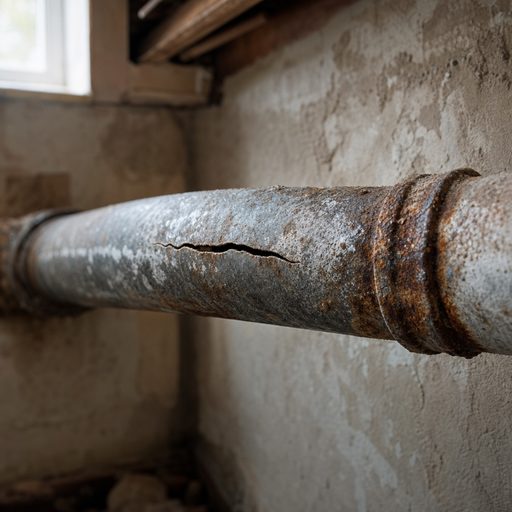
Stopping the water buys you time, but the broken pipe still needs a proper fix. Once the flow is under control, professional burst pipe repair can repair or replace the damaged section and check for related damage behind walls or under floors that you may not be able to see. If you cannot stop the water, or the break is inside a wall or ceiling, reach out for emergency plumber service right away rather than waiting. After the immediate crisis, our guide on burst pipe water damage covers what to handle next, and understanding what causes a pipe to burst can help you prevent a repeat once the repair is done.
Sources and further reading
These references support material safety, technical, consumer, or planning guidance in this article. Confirm property-specific requirements with the applicable authority and professional.