 Plumbing Advisors Editorial TeamEditorial StandardsUpdated April 14, 2026Source-Checked
A burst pipe can feel like it came out of nowhere, but in most cases the break is the final step in a problem that has been developing for a while. Understanding why pipes burst does more than satisfy curiosity. It helps you spot the early warning signs, take simple steps to lower your risk, and have a more useful conversation with a plumber about whether one repair will hold or whether a larger issue is brewing. The causes below are the ones plumbers encounter most often, and several of them are at least partly within your control.
Freezing Temperatures
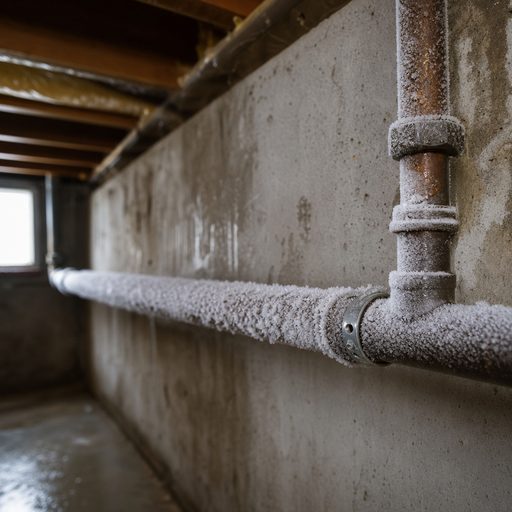
Freezing is one of the most common and most preventable causes of a burst pipe. When water inside a pipe freezes, it expands, and that expansion creates enormous pressure inside the line. Interestingly, the pipe often does not split at the ice itself but downstream of it, where pressure builds between the blockage and a closed faucet. Pipes in unheated or poorly insulated areas, such as crawl spaces, attics, garages, and exterior walls, are the most vulnerable. This is why a sudden cold snap, especially in a region not used to hard freezes, can lead to a wave of burst pipes across a community.
Corrosion and Age
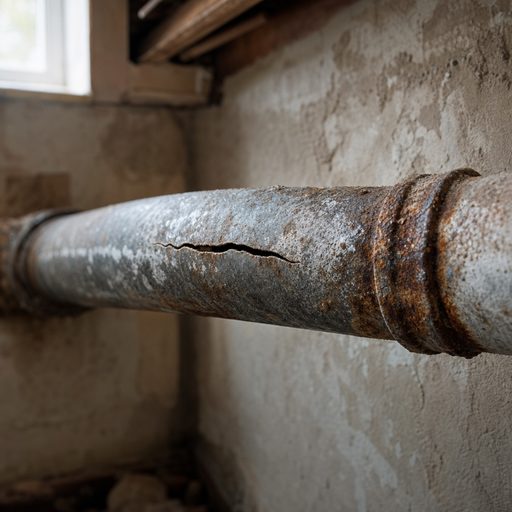
Pipes do not last forever. Older galvanized steel pipes corrode from the inside out, gradually thinning until a weak spot finally gives way. Copper can develop pinhole leaks over time, particularly where water chemistry is aggressive. As corrosion advances, the pipe wall becomes too thin to handle normal pressure, and a small disturbance can be enough to cause a break. If your home has its original plumbing and you have started seeing discolored water, recurring small leaks, or low pressure, age-related deterioration may be at work, and a single repair may be only a temporary answer.
- Water that comes out rusty, brown, or discolored, hinting at corrosion inside the lines.
- Frequent small leaks or pinholes appearing in different spots over time.
- Visible flaking, dimpling, or green or white mineral buildup on the outside of pipes.
- A gradual drop in water pressure as corrosion narrows the inside of the pipe.
- Older galvanized or aging plumbing that has never been updated.
High water pressure quietly stresses your pipes
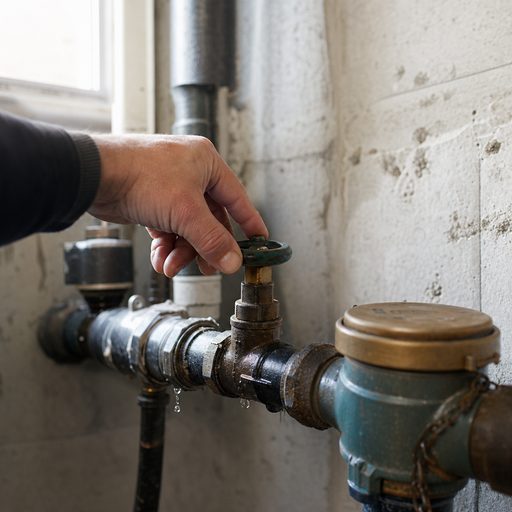
Water pressure that is set too high puts constant strain on pipes, joints, and fixtures and can shorten their life. If your pressure feels forceful or you hear banging when faucets shut off, a plumber can test it and, if needed, install or adjust a pressure-reducing valve. Keeping pressure in a healthy range is one of the simplest ways to protect your whole system.
Pressure Spikes and Physical Damage
Beyond slow wear, pipes can fail from sudden stress. Excessively high water pressure, or a pressure surge known as water hammer that happens when flow stops abruptly, can shock a line into failing, especially one already weakened by age. Physical damage is another culprit. A nail or screw driven into a wall, shifting soil, settling foundations, or a careless dig in the yard can all crack or sever a pipe. Tree roots can wrap and crush underground lines as well. These causes are less about gradual decline and more about a single event that the pipe simply could not withstand.
When to Call a Professional
If a pipe has already burst, professional burst pipe repair is the safe path to fixing the break and confirming the rest of the line is sound. If you are seeing the warning signs of corrosion or repeated leaks but nothing has burst yet, a pipe repair professional can evaluate whether a targeted fix will hold or whether aging pipes are due for broader attention before they fail. Because freezing is such a frequent and preventable cause, our guide on telling a frozen pipe from a burst pipe can help you respond correctly in cold weather, and knowing how to stop water from a burst pipe means you will be ready to act fast if one ever does give way.
Sources and further reading
These references support material safety, technical, consumer, or planning guidance in this article. Confirm property-specific requirements with the applicable authority and professional.