 Plumbing Advisors Editorial TeamEditorial StandardsUpdated July 25, 2026Source-Checked
When water freezes inside a pipe, it expands with enough force to crack metal or plastic, and the real damage often comes later, when the ice thaws and water pours from the break. Frozen pipes are one of the most common and most preventable causes of winter water damage. A little preparation before and during cold snaps can keep your pipes flowing and spare you the expense and disruption of an emergency, so it is well worth taking the time to protect your most vulnerable lines before the temperature drops.
Which Pipes Are Most at Risk
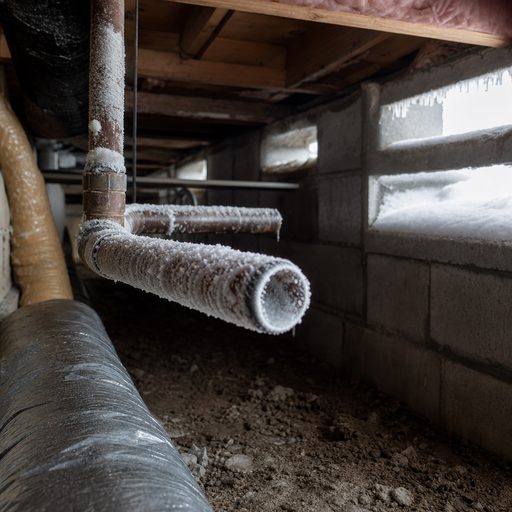
The pipes most likely to freeze are those in unheated or poorly insulated areas, and those that run along exterior walls where cold air can reach them. Knowing where your vulnerable pipes are located lets you focus your efforts where they matter most before a hard freeze arrives, rather than scrambling once the forecast turns cold.
- Pipes in unheated basements, crawl spaces, attics, and garages.
- Pipes running along exterior walls with little or no insulation.
- Outdoor hose bibs, spigots, and sprinkler supply lines.
- Pipes in vacation homes or in rooms kept cool or shut off during winter.
- Pipes near drafts, vents, or gaps where cold outside air leaks in.
Steps to Prevent Freezing
Most prevention measures are simple and safe to do yourself. The goal is to keep pipes warm and keep water moving so that ice cannot form and build up enough to block the line. Combining several of the steps below gives you the best protection during a severe cold snap, and many of them take only a few minutes to put in place.
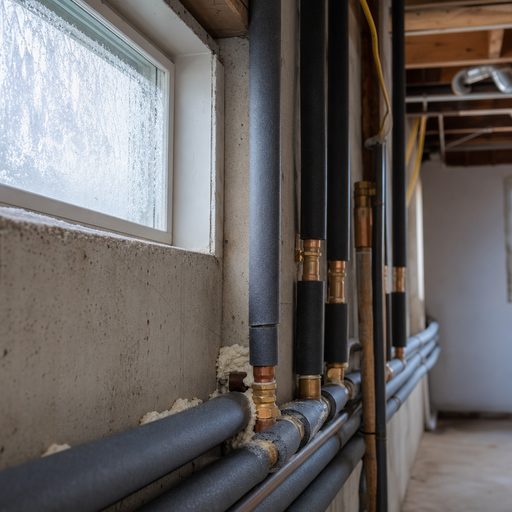
- Insulate exposed pipes with foam pipe sleeves, especially in unheated spaces.
- Disconnect and drain garden hoses, then shut off and drain outdoor faucets before winter.
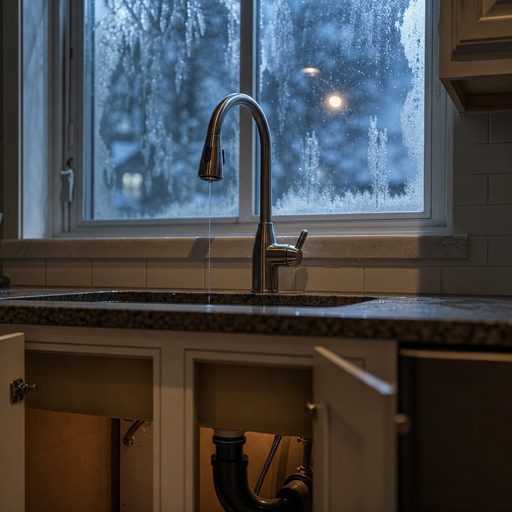
- Let both the hot and cold sides of a vulnerable faucet drip slightly during extreme cold to relieve building pressure.
- Open cabinet doors under sinks to let warm room air reach the pipes behind them.
- Keep your home heated to at least 55 degrees, even when you are away.
- Seal drafts and gaps near pipes where cold air can enter the space.
Never thaw a pipe with an open flame
If a pipe does freeze, never use a torch, open flame, or other high-heat device to thaw it, as this is a serious fire hazard and can damage the pipe. Keep the nearby faucet open and apply gentle warmth instead. If you cannot safely thaw it or you find a leak, shut off the water and call a professional.
Build a freeze plan before the forecast
The most useful winter preparation happens before temperatures fall. Identify pipes in exterior walls and unheated spaces, confirm that pipe insulation is intact, disconnect outdoor hoses, and learn which indoor valve shuts off the home's water. If the property will be vacant, keep the heat on and arrange for someone to check the building. A monitored leak detector near vulnerable plumbing can provide an earlier warning, but it does not replace heat, insulation, or a working shutoff.
- Label the main water shutoff and make sure an adult in the home can reach it.
- Inspect crawl spaces, garages, attics, cabinets on exterior walls, and other cold plumbing routes.
- Follow the manufacturer's instructions for pipe sleeves or listed heat cable; damaged or improvised heating products can create a fire risk.
- Open sink-cabinet doors during severe cold only after moving cleaners and other hazards away from children.
- Keep the thermostat steady and make a separate plan for vacant or seasonal properties.
After a frozen line begins to thaw
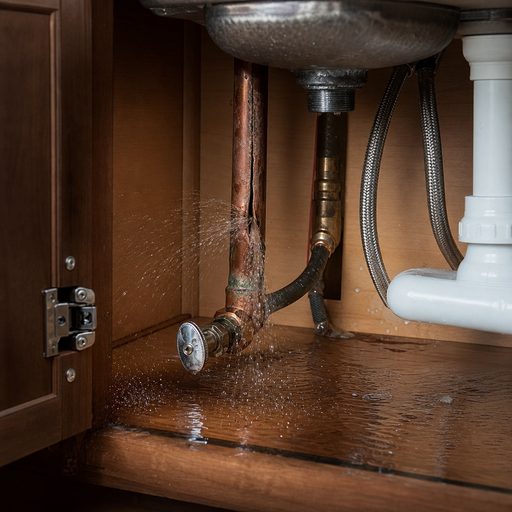
Restored flow does not prove the pipe is undamaged. Keep watching the exposed run, nearby walls, ceilings, and the space below it as the line warms. A split can stay sealed by ice and begin leaking only after the blockage melts. If you see water, hear spraying, or notice the meter moving unexpectedly, close the main shutoff if it is safely accessible and arrange repair. Check other faucets too because more than one vulnerable section may have frozen.
Stop if the pipe is hidden or damaged
Do not cut into a wall, energize damaged heat cable, or apply an open flame. A hidden frozen section, cracked pipe, or inaccessible shutoff needs professional help.
When to Call a Professional
If you discover that a pipe has already frozen and you cannot safely thaw it, or if a frozen pipe has cracked, professional help is the safest route. Emergency plumber service can address an active leak quickly, while pipe repair and burst pipe repair handle the damaged section properly so it does not fail again. If a pipe does burst before you can prevent it, our guide on what to do when a pipe bursts walks you through the immediate steps to shut off the water and limit the damage.
Which household pipes freeze first?
Pipes exposed to outdoor air or unheated spaces are most vulnerable, including lines in crawl spaces, garages, attics, exterior walls, and cabinets over poorly insulated wall cavities. Outdoor hose and irrigation supply lines are also common trouble spots.
Should both hot and cold faucets drip during a freeze?
If both lines serving a vulnerable fixture run through a cold area, allowing a small flow on both sides may help. Follow local utility guidance, especially during a drought or water restriction, and correct the insulation problem rather than relying on dripping as a permanent solution.
Can a pipe leak only after it thaws?
Yes. Ice can temporarily block a crack. Water may escape after flow returns, so inspect the area and keep the main shutoff accessible while the line warms.
When should a plumber handle a frozen pipe?
Call when the frozen area is hidden or inaccessible, gentle warming does not restore flow, more than one area is affected, the pipe is damaged, or water begins leaking. Shut off the water first when a leak is active and the valve is safely reachable.
Sources and further reading
These references support material safety, technical, consumer, or planning guidance in this article. Confirm property-specific requirements with the applicable authority and professional.
- American Red Cross: Preventing and thawing frozen pipes
- NYC Emergency Management: Water supply disruptions and frozen-pipe safety
- U.S. EPA WaterSense - Home maintenance
- U.S. EPA WaterSense - Fix a Leak Week
- MedlinePlus - Drain cleaner poisoning
- U.S. EPA - Household hazardous waste
- Federal Trade Commission - Avoiding home-improvement scams