
Garbage Disposal Installation
Garbage Disposal Installation in Vermont
Garbage Disposal Installation across Vermont begins with the same useful question: Confirm sink, drain, dishwasher, electrical, septic, and cabinet fit before selecting a disposal. State context can guide credential and permit checks, but it cannot diagnose a specific property.
Plumbing Advisors provides guidance and connection assistance. Independent providers perform the plumbing work and confirm availability, pricing, timing, and credentials.
On this pageOverview
 Plumbing Advisors Editorial TeamEditorial StandardsSource-Checked
Garbage Disposal Installation across Vermont
Garbage Disposal Installation across Vermont begins with the same useful question: Confirm sink, drain, dishwasher, electrical, septic, and cabinet fit before selecting a disposal. State context can guide credential and permit checks, but it cannot diagnose a specific property.
Installation must use a safe electrical connection and cannot compensate for an existing downstream drain problem.
When garbage disposal installation may fit
- Your sink has no disposal and you want to add one
- An old unit leaks, jams, or has finally quit
- You are remodeling or replacing the kitchen sink
- You want a quieter or more powerful unit
Causes or scope drivers to inspect
- An aging disposal at the end of its life
- A unit too small for how much you cook
- A new sink or countertop that needs a fresh hookup
- Wanting a dishwasher connected to the disposal
- Upgrading to a quieter, stainless-steel model
Comparing a garbage disposal installation quote
For garbage disposal installation in Vermont, compare itemized quotes for the same inspected scope. Access, testing, equipment or parts, permits, restoration, and urgency can affect the final price.
Typical garbage disposal installation costs
| Additional work | Typical cost range |
|---|---|
| Adding an outlet or wiring | $165–$600 |
| Dishwasher drain connection | $45–$170 |
Additional per-item costs
| Additional item | Typical cost range |
|---|---|
| Disposal, 1 HP and up (unit only) | $205–$520 per unit |
| Batch-feed unit (unit only) | $165–$410 per unit |
Cost ranges are estimates developed from standardized project scopes and reviewed pricing inputs. Government labor and regional cost data are used where applicable. See our Pricing Methodology for the exact sources, calculations, and review date. Actual prices vary by property, scope, materials or equipment, location, and provider.
What affects the cost
- Whether it is a straight swap or a first-time install
- The disposal's horsepower and build quality (aluminum vs. stainless steel)
- Continuous-feed versus batch-feed unit
- Whether an outlet or new wiring is needed, which a qualified pro handles
- Connecting or rerouting a dishwasher drain line
- Accessibility under the sink and condition of the existing plumbing
State guidance for Vermont
For garbage disposal installation in Vermont, prepare sink flange, cabinet clearance, branch drain, dishwasher hose, switch, receptacle, and septic considerations. Confirm the inspected scope, credentials, permits, inspections, exclusions, and restoration responsibility before authorizing work.
Credential verification
Plumbing in Vermont is regulated by the Plumbers' Examining Board under the Department of Public Safety, Division of Fire Safety, which issues licenses, adopts the Vermont Plumbing Rules, and sets inspection and permit fees. For most plumbing work, hire a state-licensed plumber and confirm the license through the Division of Fire Safety before work begins.
The Division of Fire Safety issues Journeyman and Master plumber licenses, along with limited or specialty licenses for specific work such as water heaters, heating systems, and water treatment. It is reasonable to ask which license a plumber holds and whether it covers the specific job you need done.
Permits and inspections
In Vermont, plumbing permits and inspections are administered by the state Division of Fire Safety rather than by most local building departments. Before covered work begins, the licensed plumber of record submits a permit application to the Division, and an inspection verifies the work meets the Vermont Plumbing Rules. Some towns and cities have cooperative inspection agreements with the Division that shift part of that role locally, so check with both the Division and your municipality first.
What to expect
- 1Pick the horsepower and feed type for your kitchen
- 2Confirm the power supply and dishwasher connection plan
- 3Connect with a plumbing professional that services your area
- 4Have the old unit removed if you are replacing one
- 5Mount the new disposal and connect the drain and dishwasher
- 6Test operation and check every connection for leaks
Safe checks before the visit
- Cut power to the unit at the switch and breaker first
- Measure the space under your sink for the new unit
- Note whether a dishwasher will drain through it
- Check whether a grounded outlet is already present
Garbage Disposal Installation by city in Vermont
Garbage Disposal Installation in Vermont: FAQs
How do I prepare for garbage disposal installation in Vermont?
Document whether the project adds a disposal or replaces one with existing compatible plumbing and power and prepare sink flange, cabinet clearance, branch drain, dishwasher hose, switch, receptacle, and septic considerations. Ask the professional to confirm the inspected scope, credential, permit responsibility, and exclusions in writing.
Does Vermont guidance diagnose my garbage disposal installation problem?
No. State information helps with credential, permit, and planning questions. The cause, responsibility, and repair or project scope still need to be confirmed for the specific property.
How much horsepower do I need in a disposal?
It depends on how much you cook. A 1/3 to 1/2 HP unit suits light use in a small household, 3/4 HP handles most families well, and 1 HP or more is better for heavy cooking or a busy kitchen. More horsepower also tends to run smoother and jam less.
What is the difference between continuous and batch feed?
A continuous-feed disposal runs from a wall switch while you scrape food in, which is the most common style. A batch-feed unit only runs once you fit a special stopper in place, which some people prefer for safety since it cannot run while the opening is exposed.
Can I connect my dishwasher to a new disposal?
Yes. Most disposals have an inlet for a dishwasher drain hose. If a dishwasher will drain through the unit, the installer needs to knock out the plug inside the inlet first, which is a common step that is easy to miss.
Do I need an electrician to install a disposal?
If a grounded outlet and switch are already under your sink, a plumber can usually handle the swap. But if new wiring or an outlet has to be added, that electrical work should be done by a qualified electrician or pro. Never wire it yourself, and always cut power first.
Sources
These public and primary references support the state, safety, credential, permit, equipment, or efficiency guidance used here. They do not diagnose a specific property.
- U.S. EPA - Frequent questions on septic systems
- Vermont Division of Fire Safety — Plumbing licensing
- Vermont Division of Fire Safety — Plumbers Examining Board
- Vermont Department of Health — Private drinking water and well testing
- Vermont Department of Financial Regulation — Protect your home from frozen pipes
Garbage Disposal Installation guides
Learn before planning garbage disposal installation in Vermont.
Read related problem, scope, cost, and planning guidance before comparing options.
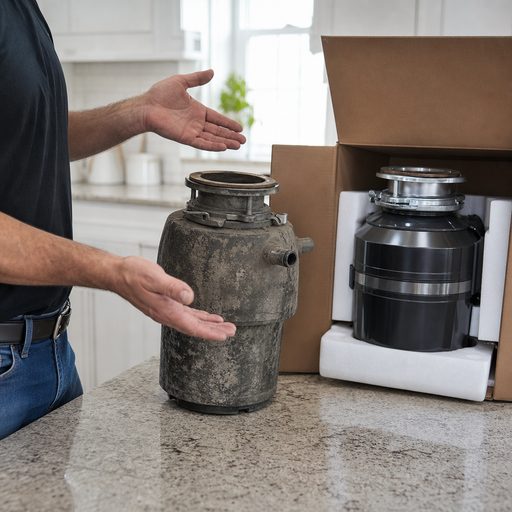
Should You Repair or Replace Your Garbage Disposal?
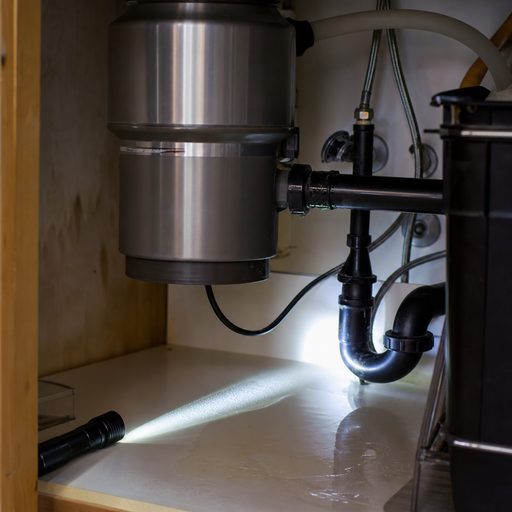
Why Is My Garbage Disposal Leaking?
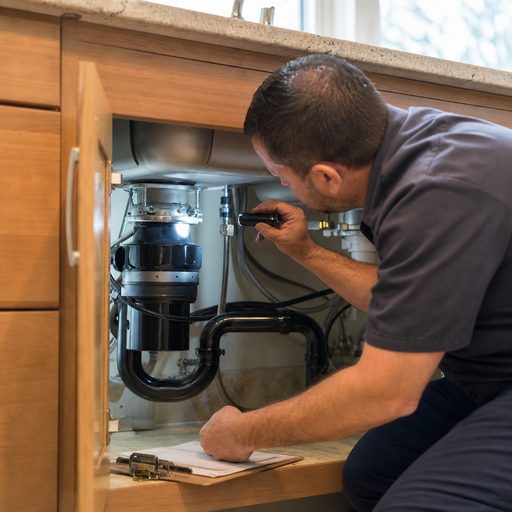
What Does Garbage Disposal Repair or Replacement Cost?
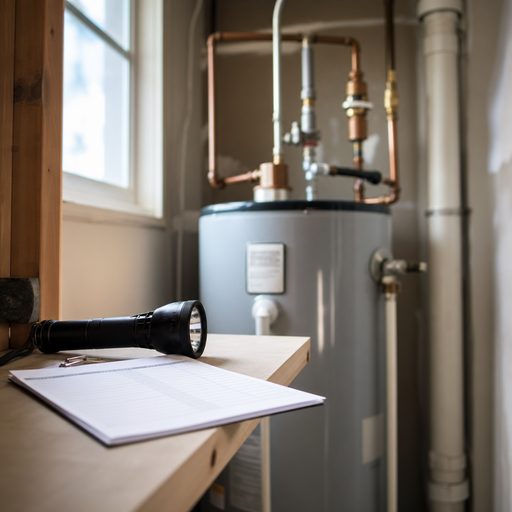
How Often Should Your Home's Plumbing Be Inspected?
What Does a Sewer Ejector Pump Do (and When Do You Need One)?
What Is Polybutylene Pipe and Should You Replace It?
Is PEX Safe for Drinking Water?
How Long Does PEX Plumbing Last?
Why Is My Sump Pump Running When It's Not Raining?
Need Plumbing Help Now?
Call Plumbing Advisors to connect with help for leaks, drains, water heaters, sewer lines, burst pipes, toilets, faucets, and more.
No-obligation request · Availability varies by location and provider