 Plumbing Advisors Editorial TeamEditorial StandardsUpdated May 8, 2026Source-Checked
When a drain keeps backing up or a sewer problem will not stay fixed, the hardest part is often simply figuring out what is wrong and where. Your sewer line runs underground and out of sight, so guessing at the cause once meant digging exploratory trenches and hoping you found the trouble. A sewer camera inspection changes that. By sending a small, waterproof camera down the line, a professional can see inside the pipe in real time, identify the exact problem, and mark its location, all without disturbing your yard. Knowing how the process works helps you understand what to expect and why it is such a valuable first step.
What a Sewer Camera Inspection Is
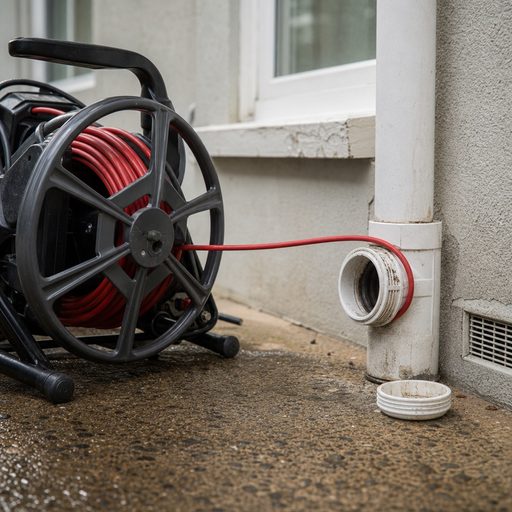
A sewer camera inspection is a diagnostic process in which a plumber feeds a flexible cable with a high-resolution camera on its tip into your sewer or drain line. The camera sends live video back to a monitor, letting the technician watch the inside of the pipe as the cable travels through it. Most cameras have built-in lighting so the view stays clear even deep underground, and the footage can usually be recorded so you can see the findings for yourself. It is a non-invasive look inside a system that is otherwise completely hidden, and it turns guesswork into a clear picture of the pipe's actual condition.
When an Inspection Is Used
A camera inspection is most useful whenever the cause or location of a problem is unclear, or when you want to confirm the condition of a line before committing to a repair. It is a common step both for diagnosing an active issue and for understanding the long-term health of older pipes. The situations below are typical reasons a professional reaches for it.
- Recurring clogs or backups that return soon after the line is cleared.
- Several fixtures draining slowly or backing up at the same time.
- Sewage odors or soggy patches in the yard that point to a main-line problem.
- Confirming the cause and exact location before any digging or repair begins.
- Checking the condition of an older sewer line, sometimes before buying a home.
- Verifying that a cleaning or repair actually fixed the underlying issue.
How the Camera and Locator Work Together
The camera does more than show the inside of the pipe; paired with a locating device, it also tells the plumber exactly where a problem sits. The camera head contains a small transmitter, often called a sonde, that emits a signal as it moves through the line. From above ground, the technician uses a handheld locator to detect that signal, which reveals both the camera's position along the pipe's path and its approximate depth. So when the camera reaches a cracked joint or a blockage, the plumber can mark the spot on the surface and know how deep to work. That is what makes the inspection so valuable: any repair can be targeted to a small area instead of guessed at across the whole line.
Footage is worth keeping
Ask whether you can get a copy of the recording and the located depth and position of any problem. Seeing the issue for yourself makes a recommended repair much easier to understand, and the record is useful for comparison if you have the line checked again later or need to share it with a contractor.
What an Inspection Can Reveal
Once the camera is moving through the line, it can uncover the full range of problems that affect sewer pipes, many of which are impossible to diagnose from the surface. Seeing the actual cause on screen is what lets a professional recommend the right fix rather than a temporary patch.
- Tree roots that have worked into joints and seams in search of moisture.
- Bellies, or sagging low spots in the pipe, where waste and water collect and stall.
- Cracks, fractures, separated joints, or sections of pipe that have collapsed.
- Grease, scale, and stubborn buildup narrowing the inside of the line.
- Foreign objects or non-flushable items lodged in the pipe and causing a blockage.
- Corrosion and general deterioration that reveal the line's overall age and condition.
Why It Avoids Needless Digging
The biggest advantage of a camera inspection is that it spares your property from unnecessary excavation. Without one, finding a buried problem can mean digging in several places just to locate it, tearing up landscaping, driveways, or patios along the way. Because the camera and locator reveal exactly what the problem is and where it sits before any ground is opened, repairs can be focused on the one spot that needs attention, and the inspection often helps determine whether a trenchless, dig-free repair is even an option. The result is less disruption, less restoration work afterward, and a fix matched to the real problem rather than a best guess.
When to Call a Professional
A sewer camera inspection is not a do-it-yourself task; it relies on specialized equipment and an experienced eye to interpret what the camera shows. If you are dealing with repeated backups, multiple slow drains, or any sign that the trouble lies in the main line, a professional can perform an inspection to identify the cause without guesswork. From there, professional drain cleaning may clear root intrusion or buildup the camera reveals, while sewer line repair service can address cracks, bellies, or collapses found along the way. To understand the symptoms that often lead to an inspection, see our guide on the signs of a sewer line problem, and once you know what is wrong, our comparison of sewer line repair versus replacement can help you weigh the path forward.
Sources and further reading
These references support material safety, technical, consumer, or planning guidance in this article. Confirm property-specific requirements with the applicable authority and professional.