 Plumbing Advisors Editorial TeamEditorial StandardsUpdated July 5, 2026Source-Checked
Clearing a clogged drain can cost widely different amounts depending on the location, severity, and cause of the blockage. Factors like which fixture is clogged, how deep the problem sits, required tools, and diagnosis steps all influence the final price. Understanding these cost drivers helps you interpret estimates and choose a service that's fair for your specific drain issue.
What Factors Determine the Cost to Clear a Drain?
The price to clear a clogged drain mostly depends on three things: where the clog is located, how stubborn or complex it is, and the techniques required to address it. Clearing a bathroom sink clog near the surface is generally more straightforward than dealing with a blockage deep in a kitchen or main sewer line. Plumbers will also consider how accessible the pipes are and whether there is a convenient cleanout, or if removing the clog requires going through a fixture or complicated piping. The needed equipment—from a drain snake to a hydro jetter—adds another layer to the cost, as does the time it takes to finish the job.
If recurring or severe clogs are an issue, or if multiple drains are slow or backing up, additional diagnostic work like a camera inspection may be necessary. This helps identify causes such as invasive tree roots, a collapsed P-trap, or a failing section of pipe. Brands like Spartan Tool or General Pipe Cleaners manufacture the inspection equipment and power augers that many plumbers use. The type and age of your plumbing system, materials (cast iron, PVC), and local code may also influence both the repair process and the price.
- Fixture location: Kitchen sinks, showers, tubs, and toilets all present different challenges and require different tools.
- Clog depth: Surface clogs are easier to resolve than those deep in main drain lines.
- Complexity: Grease, hair, soap scum, and foreign objects vary in how difficult they are to remove.
- Access: Having a cleanout or accessible piping can reduce both time and labor.
- Time: Emergency or after-hours calls may increase the overall rate.
- Diagnosis: Return clogs, bad odors, or multiple slow drains often require a specialized inspection.
Understanding Typical Methods and Key Parts
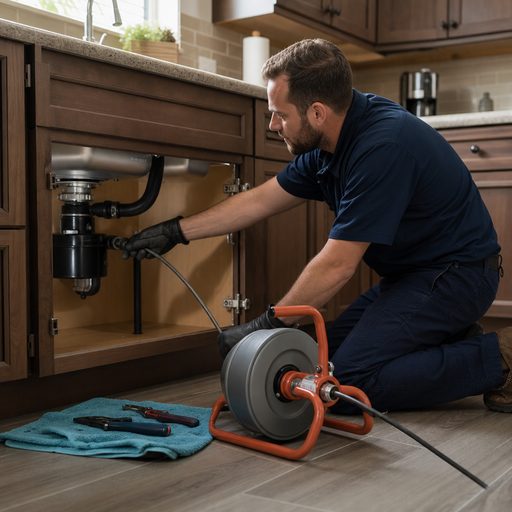
Professional plumbers use a sequence of methods to clear drains, and the tools they select affect the job's scope. Hand augers (smaller snakes) can clear minor sink and tub clogs, while motorized drain snakes are used for tougher blockages deeper in the line. In main sewer lines or for stubborn build-up, a hydro jet—like those made by Ridgid or Spartan Tool—might be necessary to blast the clog away using pressurized water. The more advanced or intensive the equipment and work, the greater the labor and possible cleanup required.
Key components often involved in both diagnosis and repair include the P-trap (found beneath sinks), the cleanout plug (an access point for drain clearing, sometimes on the main stack or outside), and the drain snake itself. For floor drains or sump pump lines, the plumber might also inspect check valves or replacement parts if a backup appears systemic. Older homes with cast-iron pipes may have scale or mineral buildup, which can require descaling with specialty chain knockers or even section replacement if damage is confirmed.
Why Estimates Vary: Local Labor, Code, and Diagnosis
One reason two similar clogs can produce different estimates is variable local labor rates. Urban areas often have higher costs due to demand and overhead. Additionally, plumbing codes—such as requirements for cleanout access, pipe materials, or venting—vary by region. This can change not only how a job must be approached, but how much time is required to bring everything up to standard.
Sometimes, a basic clog may hide a more serious issue, such as a failed or bellied section of pipe, tree-root intrusion at a joint, or a partial collapse deeper in the line. If the professional suspects deeper trouble, a sewer camera inspection will help confirm the source but means additional work (and cost). Your plumber should explain what’s being found, discuss next steps, and offer options that fit your priorities and your plumbing system’s condition.
Tip: Avoid Flat-Fee Sight-Unseen Quotes
Be cautious of flat-rate offers to clear any clog, especially if quoted over the phone or online without an inspection. A responsible plumber will want to see the clog’s location, ask about your drainage history, and suggest solutions tailored to your home. This helps prevent repeat issues and wasted money.
When Is a Camera Inspection Needed?
While many clogs can be cleared with mechanical means, recurring backups should prompt a camera inspection. Modern pipe cameras, like those by Ridgid or General Pipe Cleaners, allow plumbers to see exactly what is causing the blockage—from accumulated scale to a misaligned joint or invading roots. Footage also helps verify whether the pipe is smooth after cleaning or if replacement is necessary due to collapse or cracks.
Camera inspections are especially valuable if more than one fixture is affected or if you notice sewage odors, gurgling sounds, or soggy patches outside. Some homes have multiple generations of piping or patchwork sections, and a camera quickly pinpoints problem spots. If you suspect a bigger system issue, see our guide Why Are Multiple Drains Clogged at Once? for help understanding the signs. The inspection may require an additional charge but investing in accurate diagnosis can prevent repeated call-outs and much more expensive repairs down the road.
Prevention: Keeping Drains Clear After Service
Following a successful drain clearing, many homeowners ask about routine Drain Cleaning services to keep the pipes clear. Building good habits helps too: use sink strainers to catch hair and food particles, avoid sending grease or coffee grounds down kitchen sinks, and flush only waste and toilet paper in toilets. Installing an easy-access cleanout, if your home lacks one, often simplifies future maintenance and can save money over time.
For areas with older plumbing or repeated backups, ask your plumber about periodic professional snaking or hydro jetting. Consistent maintenance helps prevent debris buildup inside P-traps or branch lines and protects components like wax rings in toilets and check valves on sump pumps. If you’re interested in the process, our guide on How Plumbers Clear a Stubborn Drain Clog covers the techniques and tools in detail.
- Install mesh drain screens in tubs and sinks to catch hair and debris.
- Dispose of cooking fats, oils, and grease in the trash, not the sink.
- Schedule routine professional Drain Cleaning for problematic or high-use drains.
- Flush with hot water (not boiling) periodically after showers or heavy sink use.
- Educate family members on what can and cannot be disposed of via your home's drains.
Common Parts and Components Affecting Drain Clearing
Several plumbing parts are central to how clogs form and are removed. The P-trap under each sink is a frequent trouble spot, catching debris but also providing a simple cleaning access point. Cleanouts, installed where drains or sewer lines change direction or exit the home, are critical for safe and effective clearing—without them, jobs require extra labor to access pipes through fixtures. Main lines may have backwater valves to prevent sewage backup, which sometimes need cleaning themselves. For toilet clogs, the wax ring acts as a sealant and can sometimes be compromised by plunging, leading to costly leaks if not checked.
Avoid Chemical Drain Cleaners
Chemical drain cleaners can corrode pipes, eating through seals and causing hidden leaks. They often fail to address tough blockages and create chemical hazards. Always choose mechanical clearing or consult a licensed pro for safe, effective results.
How Pros Approach a Clogged Drain Visit
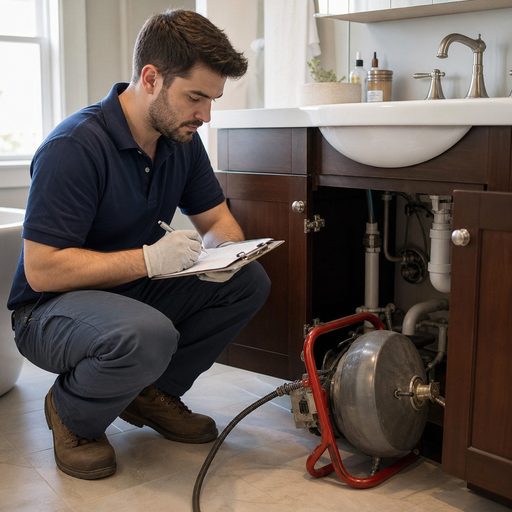
A professional Clogged Drain service visit usually starts with questions about your drainage history and a quick inspection of the affected fixtures. The plumber may run water to assess flow, look for patterns in slow drains, and physically check under sinks or around toilets for visible blockages. If a P-trap appears empty or corroded, they might remove and clean or replace it right away. In deeper clogs or complex blockages, motorized snakes, augers, or hydro jetters are brought in.
Once cleared, the plumber will again test the flow. If the issue persists or appears to be recurring, they may recommend a camera inspection or a broader look at your entire drain system. A pro will also rule out venting problems, which can cause gurgling and slow drains that mimic a clog. Plumbing pros work methodically to fix not just the symptom but the underlying issue, minimizing repeat service calls—and reducing risk of future pipe damage or leaks.
- Assessment: Checking drainage history, fixture location, access points, and signs of past repairs.
- Physical clearing: Using hand and motorized snakes, augers, and if required, hydro jetting equipment.
- Testing: Flushing water to confirm flow and inspecting connected pipes for leaks or damage.
- Diagnosis: Utilizing cameras for persistent clogs or recommending routine Drain Cleaning for prevention.
When Does It Make Sense to Spend More?
A simple single-clog service is typically straightforward—but if a plumber discovers issues like tree root intrusion, faulty pipe joints, or recurring system-wide backups, investing in a thorough approach is often wiser than chasing repeated, quick fixes. Spending more on methods like camera inspections, advanced snaking, or hydro jetting can pinpoint and solve the true issue, reducing headaches and higher repair costs later. Use the related cost guide to see how different job types and complexities fall within guidance-only price ranges.
Remember that drain clearing often uncovers bigger plumbing issues: cracks in cast-iron mains, failing wax rings, displaced P-traps, or degraded venting. Addressing these during the service—rather than waiting for another backup—usually offers the best path to a long-term solution. Always ask your pro to clarify what’s included in the estimate and what each intervention aims to accomplish.
Ask for Before-and-After Camera Footage
If you approve a camera inspection, request stills or video of the pipe before and after clearing. This documents the work completed, builds your understanding, and helps you make informed future maintenance decisions.
Related Services and Further Reading
Many drain issues repeat without proper maintenance. Services such as routine Drain Cleaning help minimize blockages, especially in older homes or properties with heavy use. If you’re facing chronic backups, consider reading How Plumbers Clear a Stubborn Drain Clog for a deeper dive into techniques, or consult Why Are Multiple Drains Clogged at Once? to understand when issues are isolated versus systemic. These guides provide context for decision-making and clear explanations of what your plumber will do during service.
What should I do before calling a plumber for a drain clog?
Try clearing minor clogs with a plunger and remove visible debris from strainers or traps. If these steps don’t solve it, avoid chemical cleaners—instead, contact a professional. Note which fixtures are affected and for how long, as this information helps the plumber diagnose the scope of the problem.
Can a camera inspection find every cause of a clogged drain?
Camera inspections are excellent at revealing blockages, cracks, tree roots, and collapsed pipes, but they have limits if the pipe is full of water, grease, or debris. They still provide valuable visuals for most stubborn or recurring drain problems.
How can I prevent drains from clogging again?
Install screens, avoid putting grease, coffee grounds, and fibrous foods in sinks, and avoid flushing wipes or non-dissolving items down the toilet. Periodic professional Drain Cleaning can also catch buildup before it leads to another clog.
Is clearing a main sewer line always more expensive than a sink or tub?
Generally, yes—main sewer lines are deeper and harder to access, often requiring specialized equipment and more labor. Clearing these lines can also uncover system-wide issues, which may require additional repairs after the initial clearing.
When should I consider replacing old plumbing parts after clearing a clog?
Replace parts like corroded P-traps, worn wax rings, or leaking cleanout plugs if they’re damaged or cause recurring issues. Upgrading to more durable materials or brands (like Kohler or Moen) can also provide long-term savings and better reliability.
Sources and further reading
These references support material safety, technical, consumer, or planning guidance in this article. Confirm property-specific requirements with the applicable authority and professional.