 Plumbing Advisors Editorial TeamEditorial StandardsUpdated May 5, 2026Source-Checked
When a clog shrugs off a plunger and refuses to budge, a professional brings something a homeowner usually cannot: a clear process and the right equipment for the job. Knowing how a plumber approaches a stubborn drain takes some of the mystery out of the service call and helps you understand why one method is chosen over another and what you are paying for. The work is less about brute force than about finding the blockage, choosing the safest effective tool, and confirming the line is actually clear when the job is done.
First, the Diagnosis
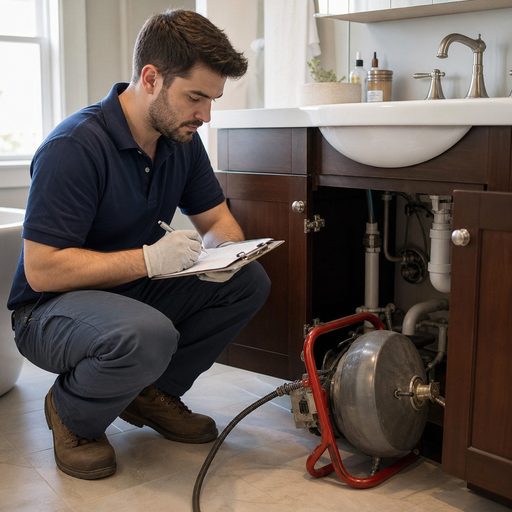
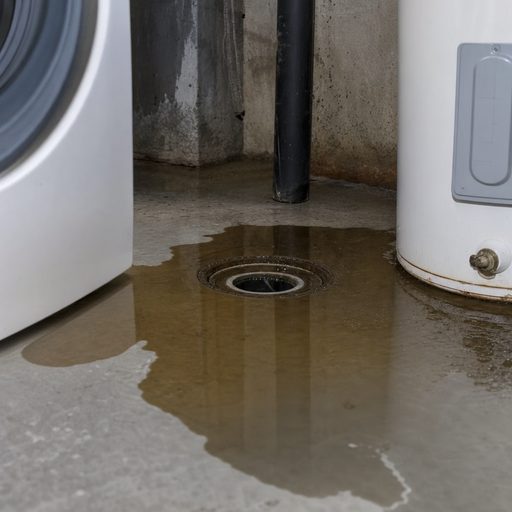
A good plumber starts by figuring out where the clog is and how bad it is, rather than blindly attacking the nearest drain. They will ask which fixtures are affected, run water to see how the system reacts, and look for telltale signs that the blockage is in a single branch line or in a shared line deeper in the home. Pinpointing the location matters because it determines which access point and which tool make sense. For a clog whose cause is unclear or that keeps returning, the plumber may recommend a camera inspection to see inside the pipe before deciding how to clear it.
The Tools of the Trade
Once the plumber knows what they are dealing with, they reach for the appropriate tool. Most stubborn clogs are cleared with one of a small set of professional methods, escalating in power as the blockage demands. The list below covers the approaches you are most likely to see on a service call.
- A professional-grade plunger or manual auger for clogs sitting close to the fixture.
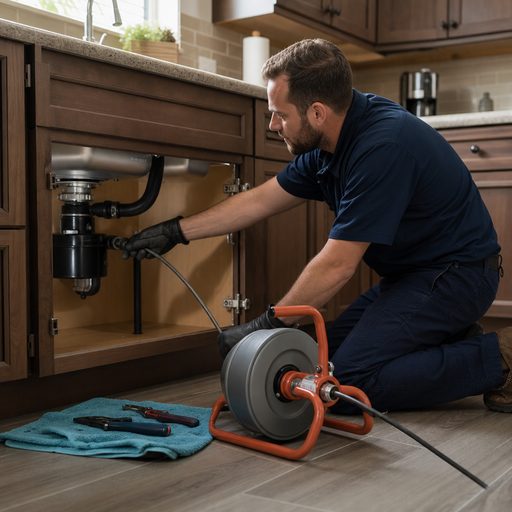
- A drain snake, also called a cable or auger, that is fed into the line to break apart or retrieve the blockage.
- A motorized drum machine that drives a longer, heavier cable into deeper or tougher clogs.
- Hydro jetting, which uses high-pressure water to scour grease, sludge, and roots from the full pipe wall.
- A camera inspection to locate the clog, confirm the cause, and verify the line is clear afterward.
Ask to see the cleared line
If a camera inspection is part of the job, ask the plumber to show you the line before and after the work. Seeing the blockage and then the clear pipe confirms the clog is truly gone, not just punched through, and it helps you understand whether the underlying cause, such as roots or buildup, has been addressed.
Confirming the Job Is Done
Clearing the clog is not quite the end. A thorough plumber runs water through the line afterward to confirm it drains freely and does not back up under normal use. If a camera was used, a final pass shows whether the pipe is genuinely clean or whether something deeper, like a cracked pipe or root intrusion, will likely cause the clog to return. This is also the moment a plumber can explain what caused the blockage and suggest simple habits to keep it from happening again, which is far more valuable than a quick fix that fails within weeks.
When to Call a Professional
If a clog resists a plunger and basic cleaning, it is time for the tools and process above. A clogged drain service can diagnose and clear a stubborn blockage safely, and routine drain cleaning afterward can keep the line flowing. To get a sense of what such a visit involves financially, see our guide on what it costs to clear a clogged drain, and if the trouble seems to affect more than one fixture, read why multiple drains clogged at once can signal a main-line problem that needs a different approach.
Sources and further reading
These references support material safety, technical, consumer, or planning guidance in this article. Confirm property-specific requirements with the applicable authority and professional.